

Tips for how both renters and homeowners can lower their energy usage throughout the year.
Also available as an ongoing video series on YouTube.
- Energy-Saving Tips
- What's Eating Your Energy?
View Tips
7 Tips for Heating or Cooling Your Home
As much as 50% of your household's energy usage, depending on the season, may come from your heating or cooling system according to the U.S. Energy Information Administration.
Adjust thermostat for the season
Every degree you raise your home's thermostat in the summer and lower it in the winter can mean as much as 3-5% off your monthly bill.

Utilize ceiling fans
Fans circulate the air and is a great way to assist in cooling or heating your home.
Bonus: Your fans should have a switch for changing the direction of rotation. Use a counter-clockwise rotation for summer, and a clockwise rotation for winter.

Open or close windows and doors
If the temperature outside is desirable, then open your windows and doors and give your A/C a break. Otherwise, keep them closed.
Unblock air vents
Keep air vents clear of obstruction to help your heating and cooling system operate more efficiently.
Change air filter
Change standard air filters once a month, or pleated filters once every three months. A clogged filter makes your AC work harder, increases wear on your unit, and uses more energy.

Service your A/C unit
Spring is a great time to give your HVAC system a closer look and make any necessary repairs.
Keep air flowing to your unit
Clear vegetation and debris from around A/C units for free and open-air flow.


View Tips
3 Tips to Keep Your A/C Air Inside
With so much of your energy going toward staying comfortable in your home, make sure that you keep that conditioned air inside your home!

Insulate your attic
Proper attic insulation will keep the outside air from getting in, and your A/C air from getting out.
Seal windows and doors
Sealing windows and doors reduces drafts, helps to lower you bill, and will keep you more comfortable during the hottest and coldest months of the year.
Bonus: Investing in energy-efficient windows can reduce heat loss in the winter and heat gain in the summer.

Check your air ducts for leaks
Sealing and insulating ducts may improve the efficiency of your heating and cooling system by 20 percent or more.


View Tips
5 Tips for Using Energy Smarter
Depending on your rate plan, how you use energy may play a major part in your bill.
Wash clothes cold
Wash full loads of clothes with cold water and avoid over-drying. Also, clean the lint trap before every load to increase efficiency.
Bonus: If you're on a time-of-use rate plan, be careful not to use many appliances at the same time.

Turn off lights
Always turn off the lights when leaving a room.
Bonus: Switch your incandescent light bulbs to energy efficient LED bulbs.
Unplug unused devices
Unplug devices when they're not in use to avoid standby energy drains.
Bonus: Use a powerstrip to cut the power at the press of a button.

Monitor you energy usage
Our online portal can help you understand your usage habits to find ways to use energy smarter.
Bonus: Set daily and monthly usage alerts to help you keep track of your usage.
Do a home energy check up
Schedule an appointment with one of our Energy Advisors and get personalized recommendations on how you may be able to save energy and money.


Factors That Impact Your Energy Usage
Whether you're owning or renting, making your home more energy efficient has a lot to do with knowing where to look for wasted energy.

Home Size and Layout
Large homes with tall ceilings or multiple floors have more air volume to condition. This means your A/C system may need to work harder and run longer to maintain a consistent temperature, requiring more energy.
Hotter or colder spots around your home means your A/C is having a hard time reaching those parts. Make sure no vents are blocked, and consider strategically opening and closing vents to help direct your conditioned air to where it's needed. Likewise, since heat naturally rises, ceiling fans can help circulate your conditioned air and help heat or cool your home more evenly.

Importance of Insulation
Damp or drafty conditions are telltale signs of insufficient insulation. Older homes often lack proper insulation and energy-efficient features compared to new construction, which can lead to temperatures being harder to regulate and resulting in higher energy costs. Insulation in your walls, attic, and crawl spaces contribute to what is known as your home's thermal envelope, which helps protect against heat transfer, air leakage, and moisture—keeping your home comfortable and safe.
Heat loss/gain through your windows is another part of the thermal envelope, and can affect your home's natural temperature by as much as 25%. By air sealing around your windows you can help keep the outside temperature outside. Window coverings, like blinds, curtains, or shades also help regulate how much heating sunlight gets in, and conditioned air gets out.

Costly Water Heating
Water heating is the second-largest energy cost for most households, according to the Department of Energy. Try turning down the thermostat on your water heater and make sure that your water heater and pipes are properly insulated to keep your heated water warm.
Dish washers, washers, and dryers already use a lot of energy, but you can save money by only running these appliances with full loads, and washing your clothes in cold water.
Helpful Resources
National Average Household Energy Usage
Did you know that heating and cooling your home could be responsible for more than 50% of your energy usage?
Discover what most homes are using energy on!
Please note: An individual household's energy usage depends on many factors. This breakdown of national average energy usage is based on historical data, but should only serve to give you an idea of where you might be using your energy. For the most up to date reports, visit U.S. Energy Information Administration
- Air conditioning: 19%
- Space heating: 16%
- Fans and ventilation: 17%
- Water heating: 18%
- Lighting: 5%
- Refrigerators and freezers: 7%
- Washers and dryers: 5%
- Other appliances: 3%
- Televisions: 4%
- Computers: 3%
- Other electronics: 3%
* Electric Vehicle charging not accounted for.
We offer energy-saving tools, guides, efficiency improvement programs, and payment assistance.
Free In-Home Energy Audit
Get Personalized Energy-Saving Recommendations
Learn how your home uses energy and discover opportunities to improve efficiency and comfort with a free In-Home Energy Audit from Georgia Power. Receive personalized recommendations tailored to your home's energy needs.
My Energy Portal
Explore tools to help you track your energy usage, ensure that you're on the best rate plan, get help with understanding your bill, and more.
Analyze Your Home's Energy
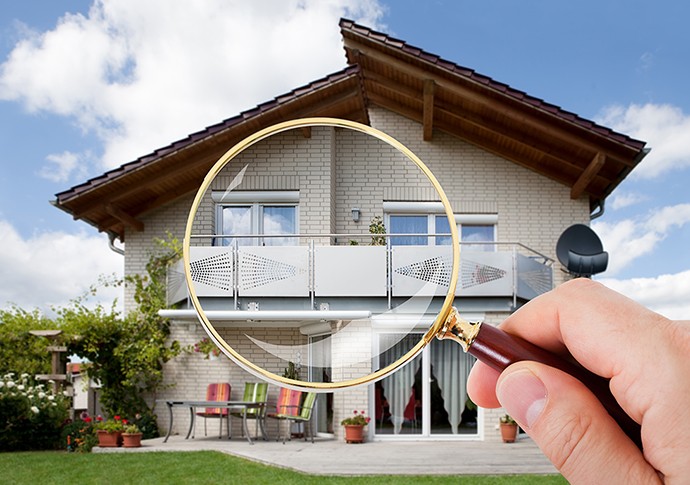
Learn how to improve your home's energy efficiency with our online home energy checkup.

Energy Efficiency Rebates
Get Money Back on Energy-Saving Home Improvements
Make your home more energy efficient, and save on qualifying energy-saving products, solutions, and installation services.

Apply for a Bill Discount
Eligible customers can get a $33.50/month discount on their bill.
Fill out the eligibility form and see if you qualify today!

Customer Relief Programs
FREE Energy-Saving Improvements for Income-Qualifying Customers
See if you qualify for free improvements that can help to lower your bills.


