

About the Project
The Ashley Park – Wansley 500kV Transmission Project consists of a new 35-mile transmission line that will run between the Ashley Park Substation in Fayette County and Plant Wansley in Heard County, crossing through Fulton and Coweta counties.
This project is part of our ongoing commitment to strengthen and expand the electric grid as identified in our Integrated Resource Plan. This critical infrastructure is designed to enhance system reliability, support Georgia’s evolving energy needs, and ensure safe, resilient service for decades to come.


Strengthen
the electric grid for long term system reliability.

Support
the integration of renewable energy sources.

Prepare
for growing energy needs in Georgia.
What to Expect
As the project progresses, you may experience different impacts depending on your location in relation to the project. Below are some examples of what you may encounter.
- Vegetation Removal
- Restoration
- Site Grading
- Noise and Traffic
- Construction Activities
Project Timeline
| Q2 2025 | Survey Notification to Landowners |
| Q1 2026 | Community Meetings See Dates & Locations |
| Q1 2027 | Line Clearing & Grading Begins |
| Q3 2027 | Line Construction begins |
| Q2 2028 | Project complete |
Note: This schedule is tentative and subject to change.
MAP NOT BASED ON FIELD SURVEY DATA
Structure and Line Locations based on Pre-Engineering data and subject to change
- Substation
- Proposed transmission line
Please note:
If you're located near the project, general updates will be shared to keep you informed of key milestones and progress.
Along the Line
See how we're investing in our communities, protecting Georgians from rising energy costs, and building a reliable energy grid.
Caring Communities Foundation
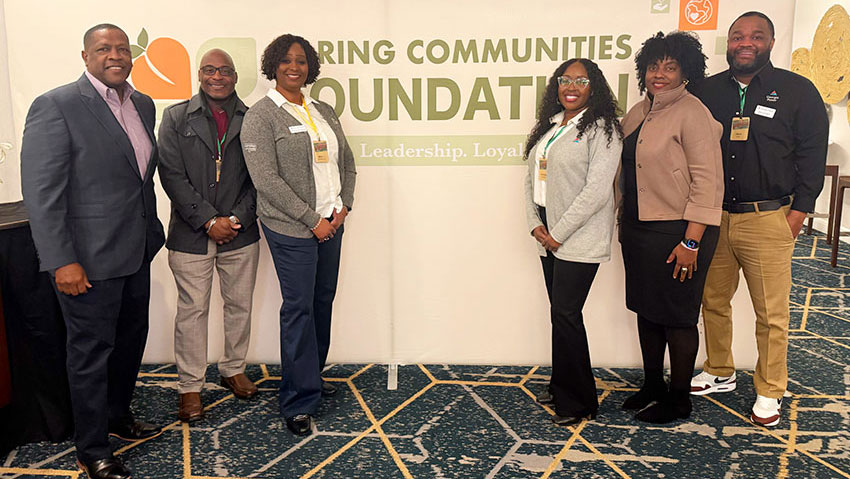
In February 2026, Georgia Power partnered with the Caring Communities Foundation to support customers facing hardship with their utility bills. At the Foundation’s Non-Profit Summit, Georgia Power connected over 200 local nonprofit leaders with energy assistance resources and shared how efforts like the three-year base rate freeze are helping keep energy affordable for the families they serve.

We've Lowered Rates
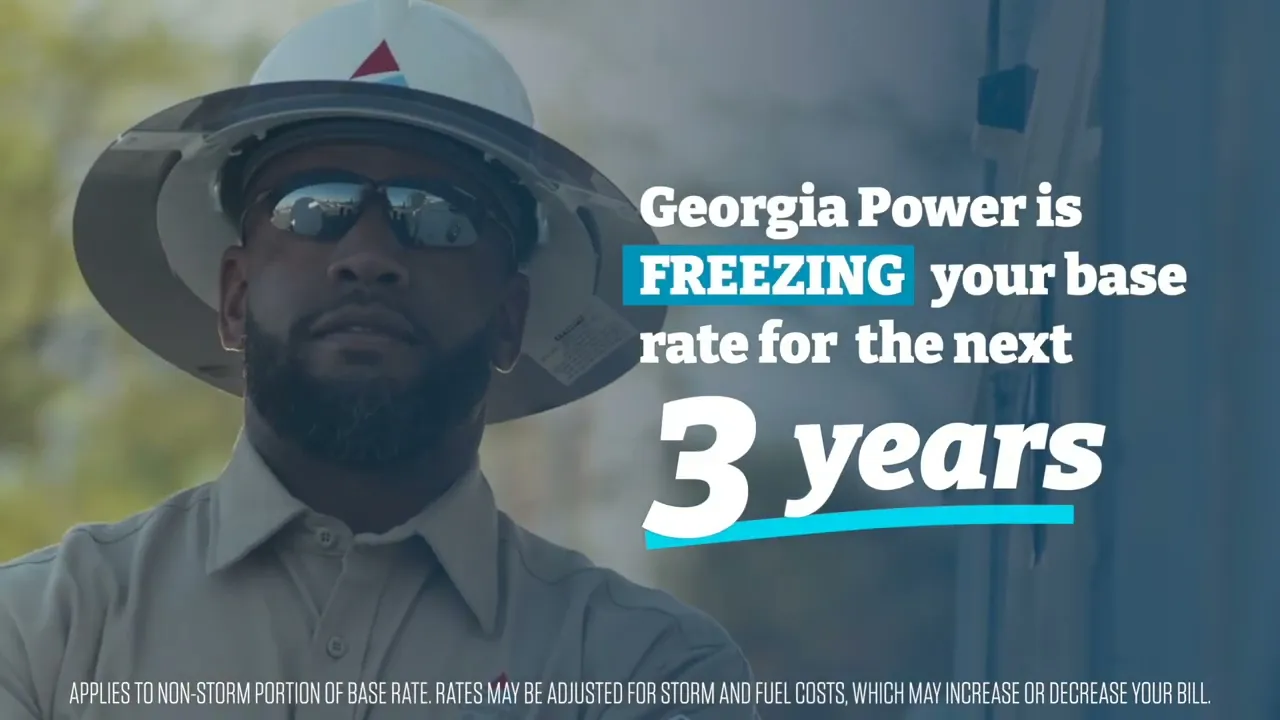
Since June, Georgia Power customers will see lower electric rates, delivering meaningful savings while maintaining reliable energy service.
Connecting Communities
We’re investing in generation, smart grid infrastructure, and advanced technologies to deliver reliable energy to 2.8 million customers—every day, in every season.
Keeping You Informed
Throughout this project, you may receive updates from us by email, letter, postcard or door hanger. Click below on recent communications sent
Have questions about this project?
Below are answers to common questions and what you can expect as work moves forward.
About the Project
What is this project and why is it happening?
Georgia Power is constructing a new 35-mile, 500kV transmission line connecting the Ashley Park Substation in Fayette County to Plant Wansley in Heard County, crossing through Fulton and Coweta counties. This project is part of Georgia Power’s ongoing commitment to strengthen and expand the electric grid as identified in our Integrated Resource Plan. Over the next 10 years, we have proposed building more than 1,000 miles of new transmission lines to improve efficiency and resiliency and serve a growing state. These investments are necessary to support Georgia’s growing energy needs, enhance system reliability, and ensure safe, resilient service for decades to come.
How will this project benefit my community?
This project is part of Georgia Power’s ongoing commitment to strengthen and expand the electric grid as identified in our Integrated Resource Plan. By strengthening the grid for long-term system reliability, preparing for Georgia’s growing energy needs, and supporting the integration of renewable energy sources, this critical infrastructure will help ensure safe, resilient service for your community for decades to come.
How was this route determined?
We have a thorough process for determining transmission line routing and facility placement. We carefully evaluate routes and consider factors such as safety, existing land uses in the area, existing transmission corridors, environmental conditions, engineering practices related to the construction and operation of the lines, and cost impact to customers associated with the construction, operation, and maintenance of the line.
Is this transmission line being built to serve a specific customer or facility?
This project is not being built to serve a specific customer or facility. The Ashley Park – Wansley 500 kV Transmission Line is part of Georgia Power’s broader, long-term investment in strengthening and expanding the electric grid across the state. Over the next 10 years, we have proposed building more than 1,000 miles of new transmission lines to improve efficiency and resiliency and serve a growing state. These projects are essential to support Georgia’s growing energy needs, improve system reliability, and ensure safe, resilient service for decades to come.
Will trees or vegetation be removed?
Vegetation removal is part of the project, including the removal of trees, brush, and other vegetation along the transmission line route to ensure compliance with safety standards and required clearances. All work will be conducted with careful consideration to minimize environmental impact, and restoration will follow construction.
How can I stay updated on the project?
We will share updates, maps, and key milestones on this webpage.
Community meetings scheduled in various counties during Q4 2025 and Q1 2026 will provide opportunities to learn more, ask questions, and engage directly with project experts on topics such as land acquisition, environmental considerations, and construction timelines. If you have questions at any time, you can contact the project team directly using this form.
General Transmission Questions
Why does Georgia Power need land for energy projects?
Energy infrastructure like transmission lines and substations helps ensure electricity remains reliable and affordable for the communities we serve. As Georgia continues to grow, we must responsibly expand and strengthen the grid to meet increasing demand. Learn more about the land acquisition process.
What are transmission lines?
Transmission lines transmit high-voltage electricity from the generation source or substation to another substation in the electric grid. Overhead transmission lines carry a three-phase current and can vary in voltage. Learn more.
What is a line route?
A line route refers to the path or corridor that a transmission line follows from its starting point to its endpoint. The route is selected based on various considerations, including safety, existing land uses in the area, existing transmission corridors, environmental conditions, engineering practices related to the construction and operation of the lines.
What is the Integrated Resource Plan?
The Integrated Resource Plan (IRP) guides investments in generation and transmission to meet forecasted demand, ensuring reliable service for all customers. More about the IRP and our long-term energy planning process managed by the Georgia PSC
What is an easement?
An easement is a legal right to use another person's land for a specific purpose, where a payment is paid to the owner of the property in return for the right of easement. This right allows the easement holder to enter and use the land for activities such as utility installation, access, or maintenance. The original owner retains legal title to the land, but the easement holder has the right to use it as specified in the easement agreement.
Are there health risks or safety concerns from living near substations or power lines?
Decades of research show no link between EMF exposure from power lines and disease. EMFs are common in everyday electrical devices, and power lines meet national safety standards. Read our Electric and Magnetic Fields (EMF) Information Guide (PDF) for an overview of the science and research about EMFs.
We are committed to keeping residents, business owners, and all community members informed throughout every stage of the project. Please submit any questions you have here. Your feedback is important, and we encourage you to reach out so we can provide the support and information you need throughout the project.
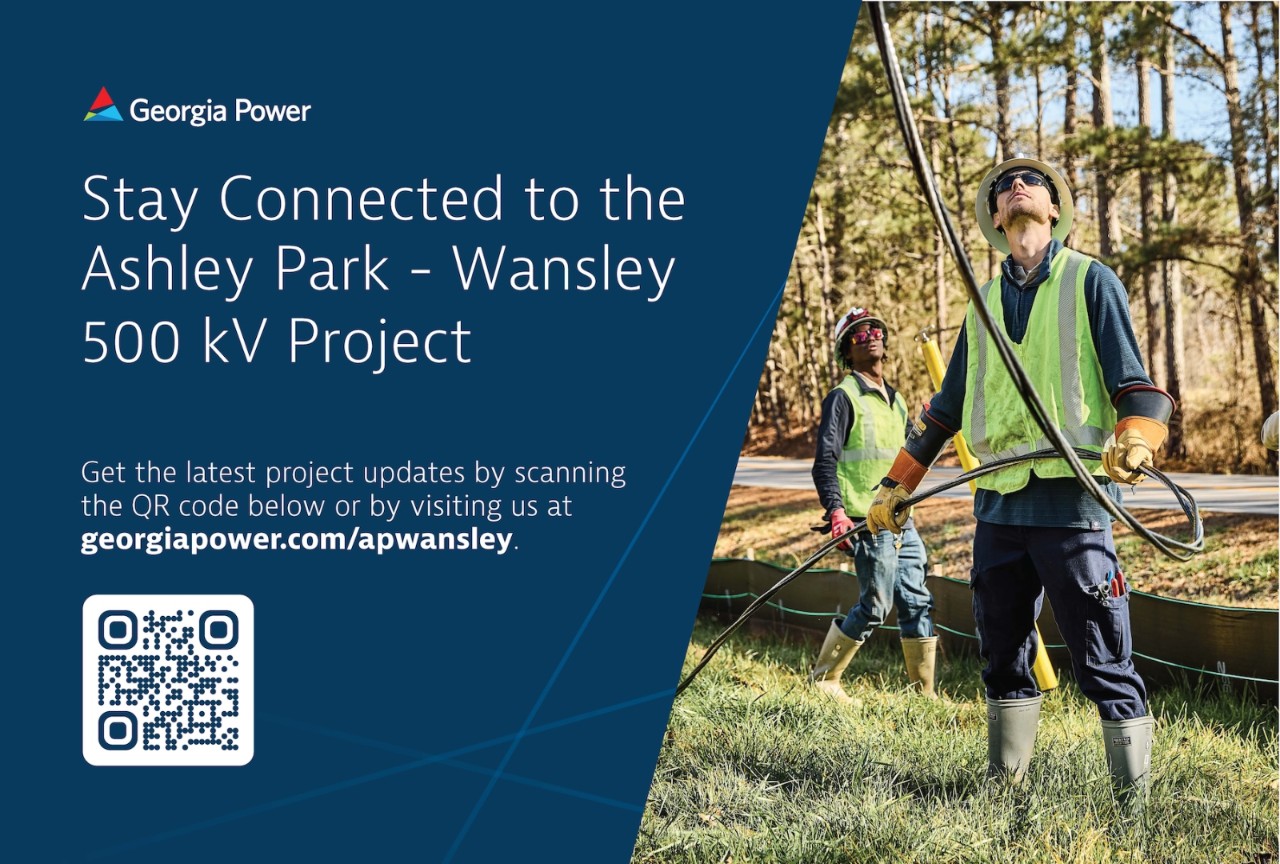
Community Meetings
| Date & Time | Location |
|---|---|
| March 19, 2026 |
Palmetto Community Center (Fulton County) Palmetto, GA |
| March 5, 2026 |
Heard County Fire Station 5 – Enon Grove Franklin, GA |
| November 13, 2025 |
Coweta County Fairgrounds – Exhibit Building (Conference Center) Newnan, GA 30263 |
| November 10, 2025 |
Fayette County Library Fayetteville, GA 30214 |


