“Our work isn’t done until every customer who can receive power has it.
That commitment is shared by everyone on our team.” – Kim Greene, Georgia Power CEO
September 26, 2024
HELENE
Hurricane Helene was the most destructive storm in Georgia Power's history.
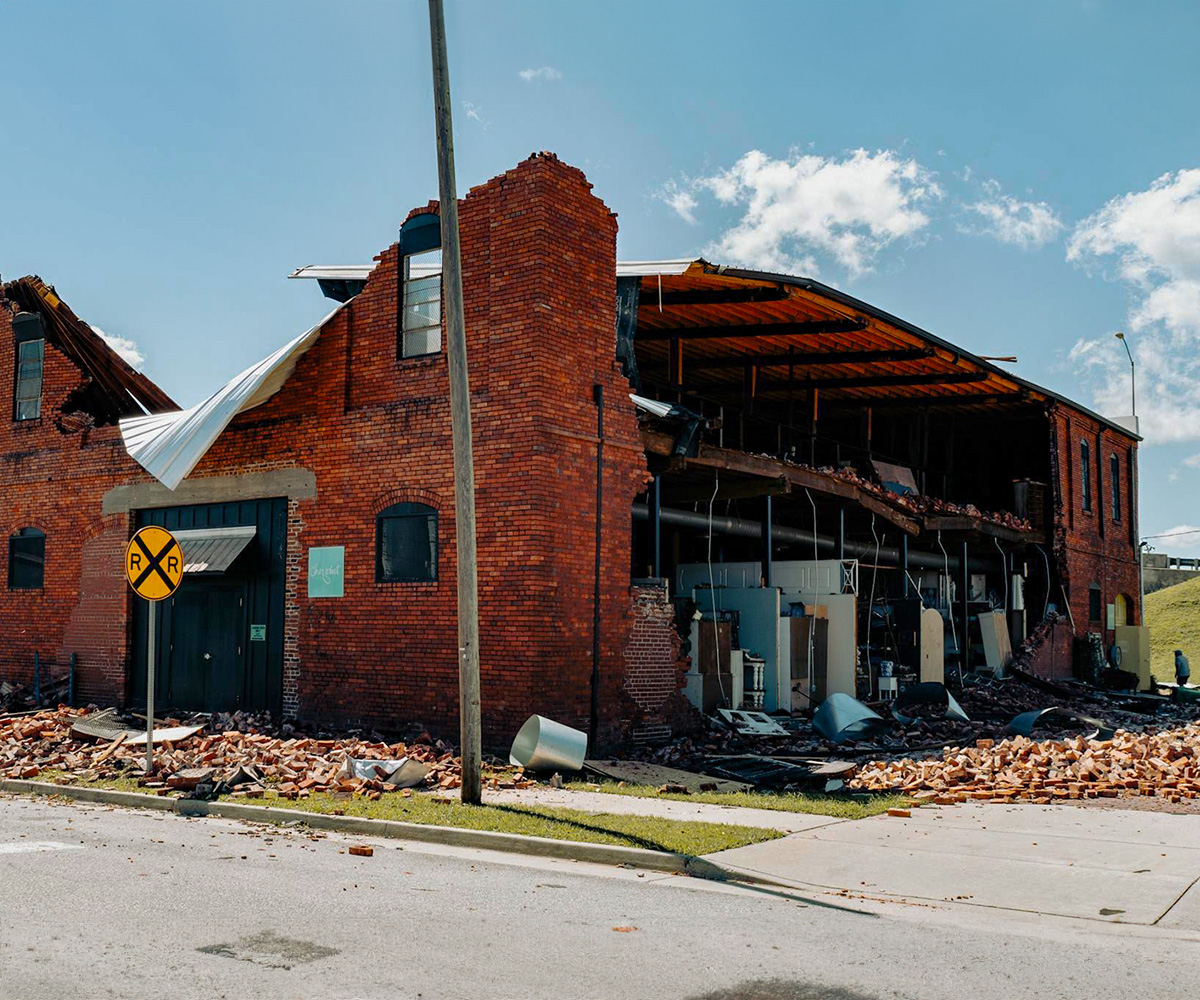
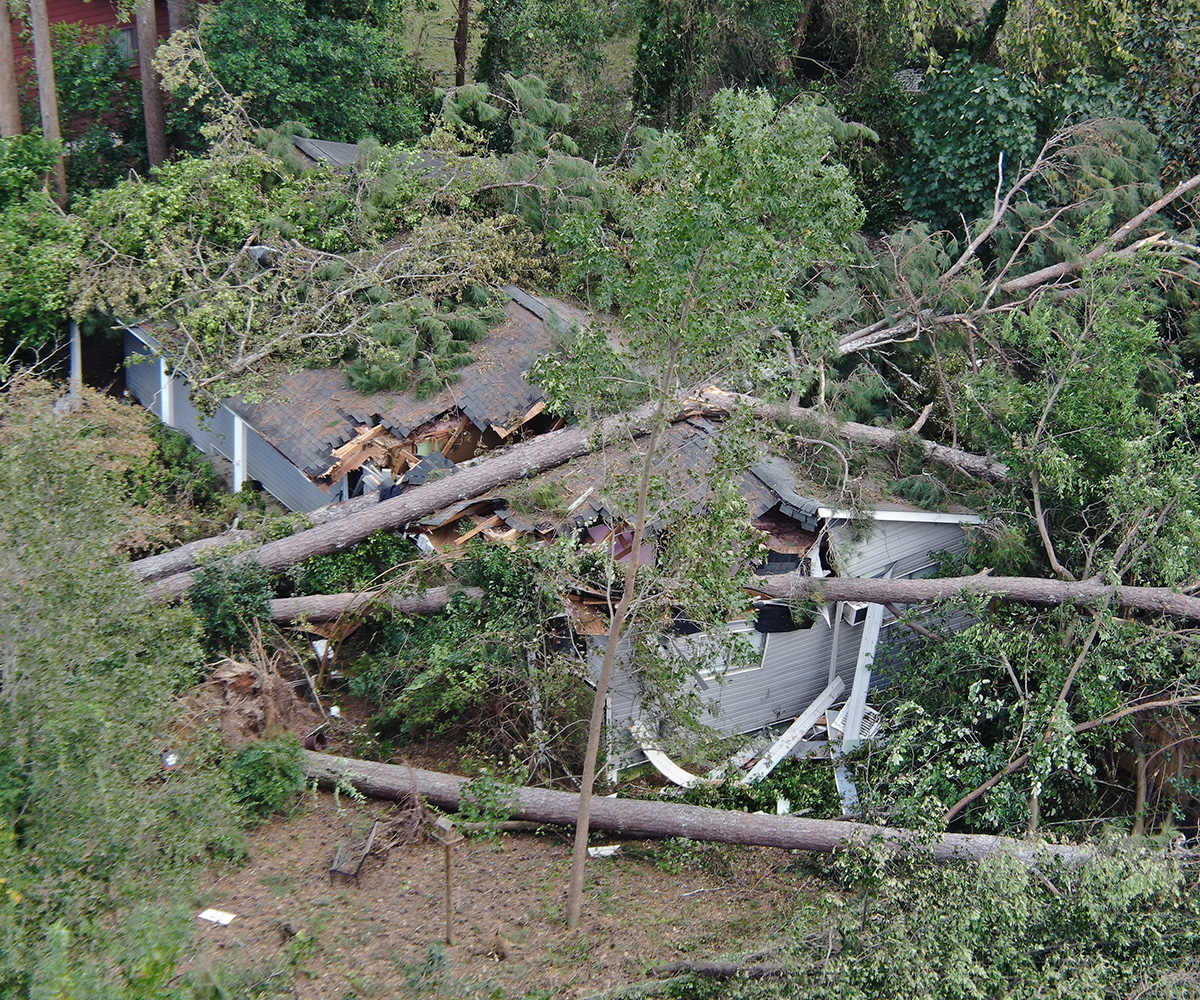
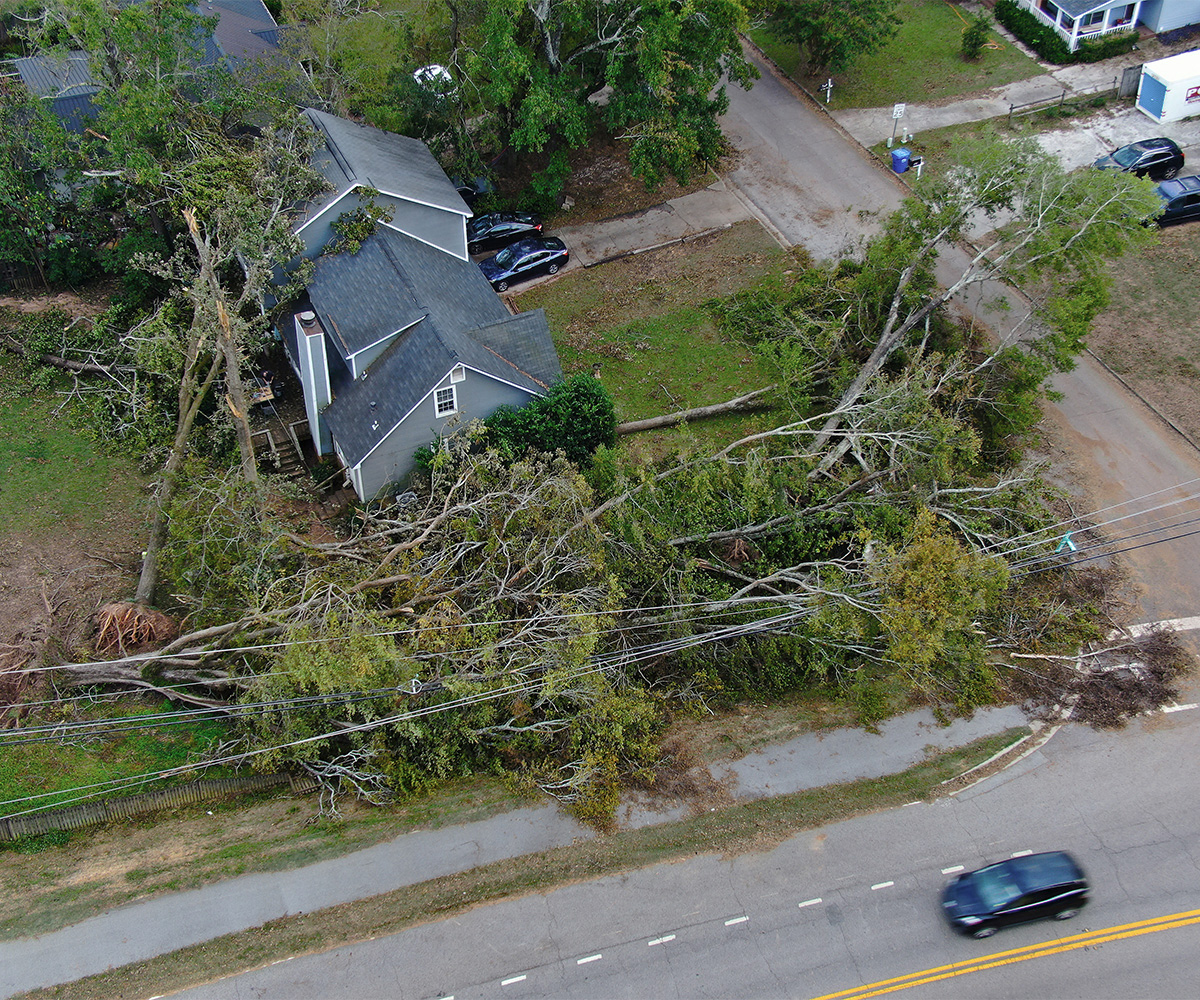
In many communities across our state, much of the electric grid infrastructure was almost completely destroyed.
When something of this magnitude happens, it’s not just about making sure that people get their power restored, but rather how to rebuild what was lost—stronger.

- Damage to Infrastructure
- Impacted Communities
- Largest Restoration in Our History
Damage to Infrastructure
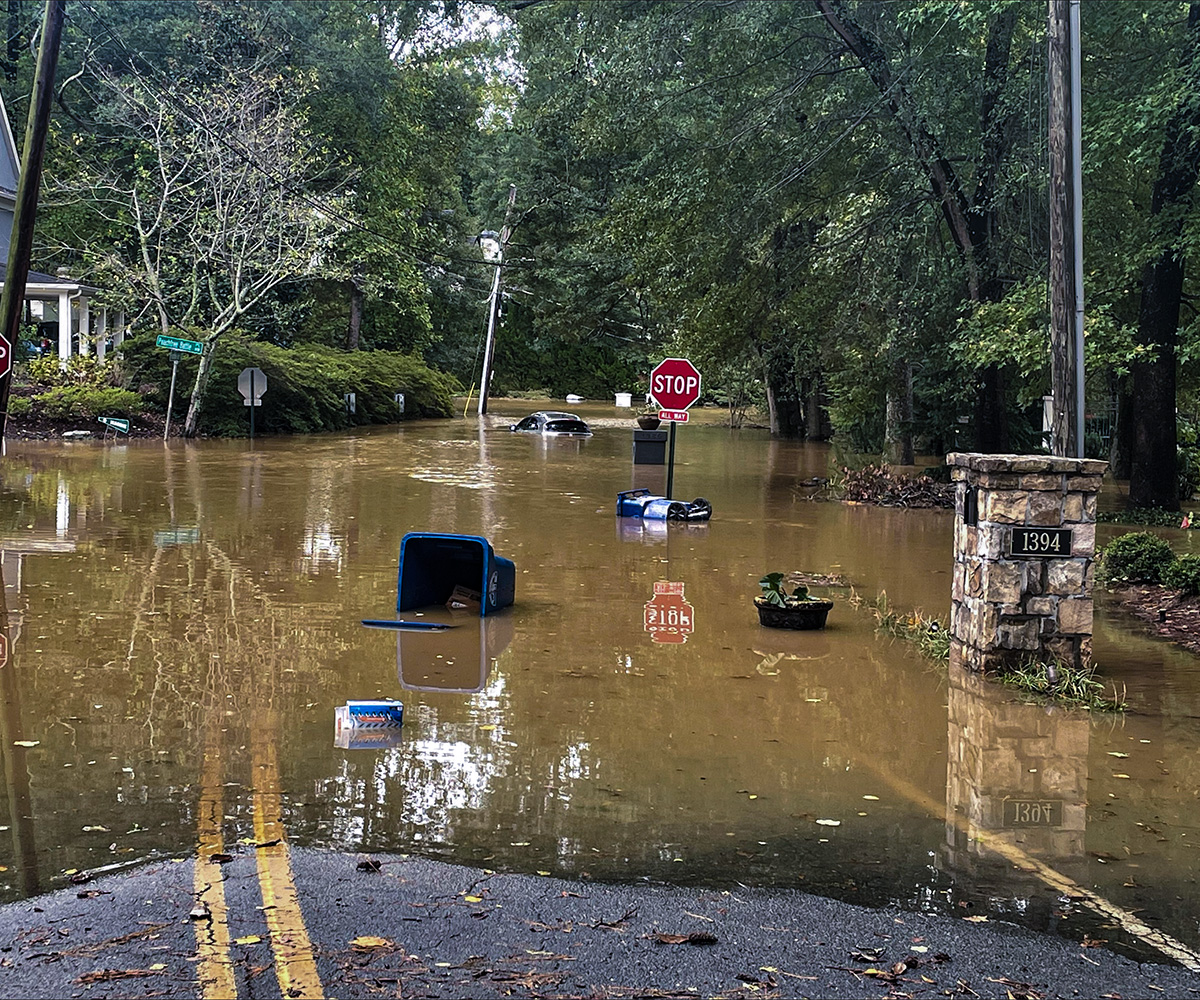
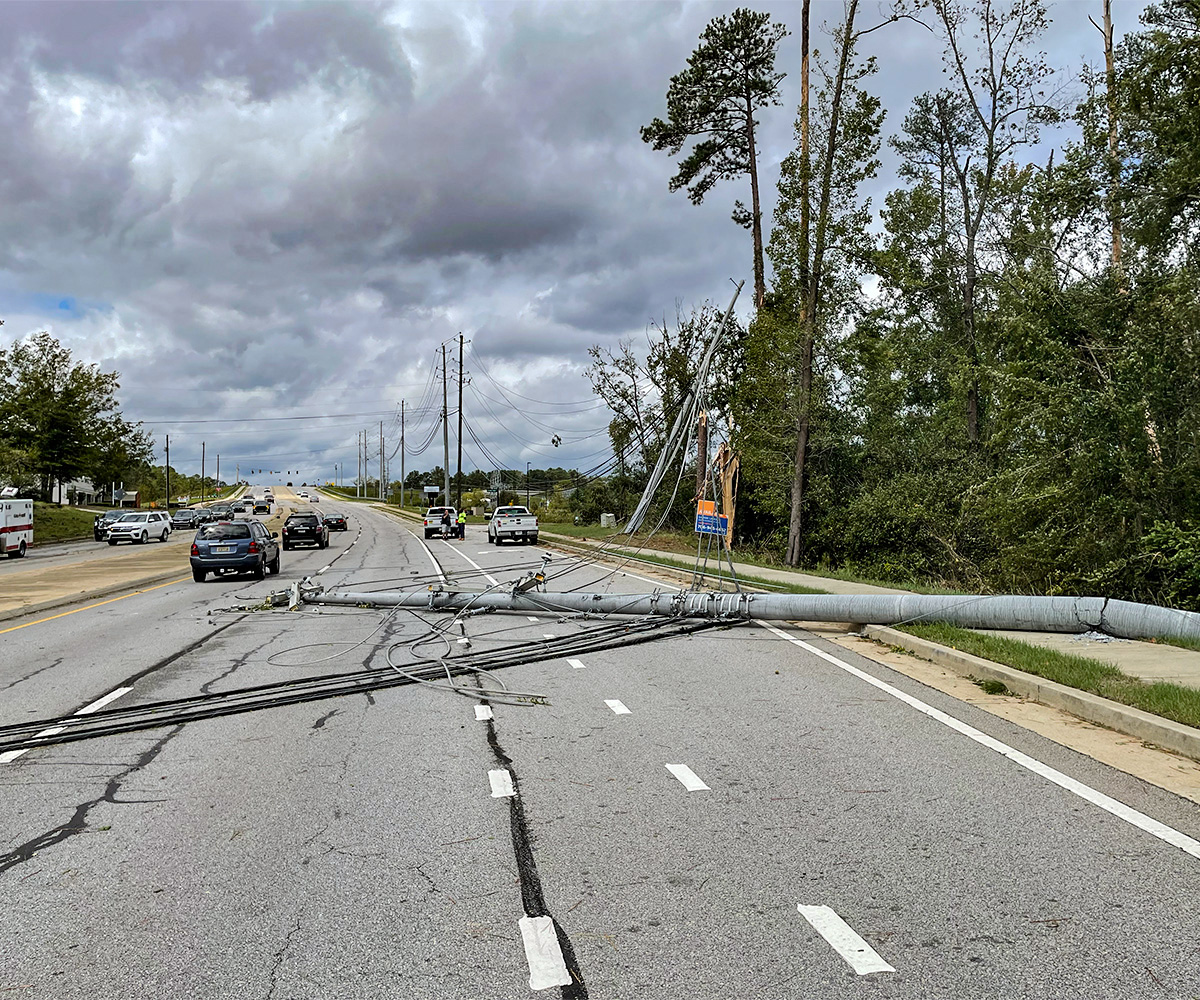
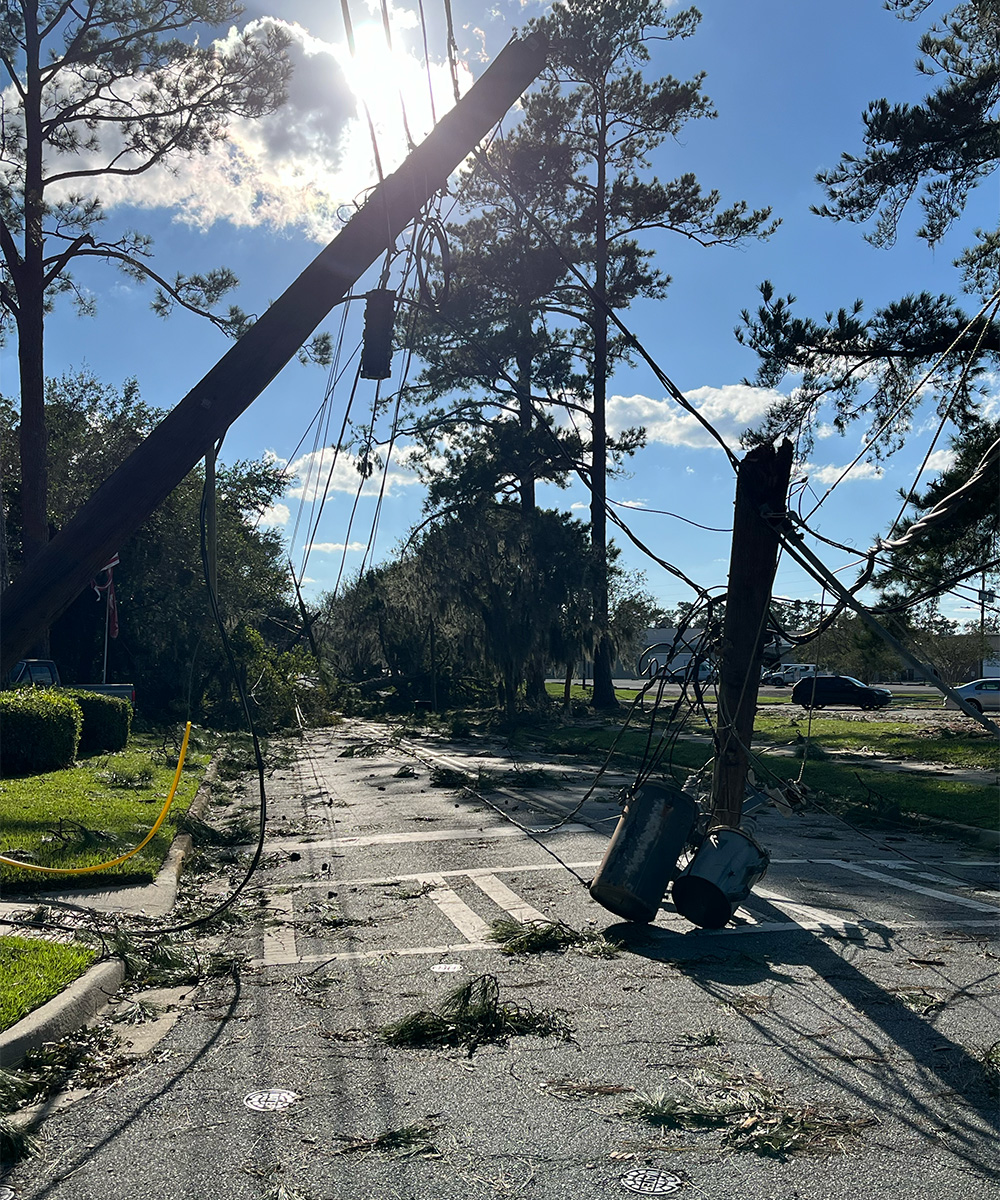
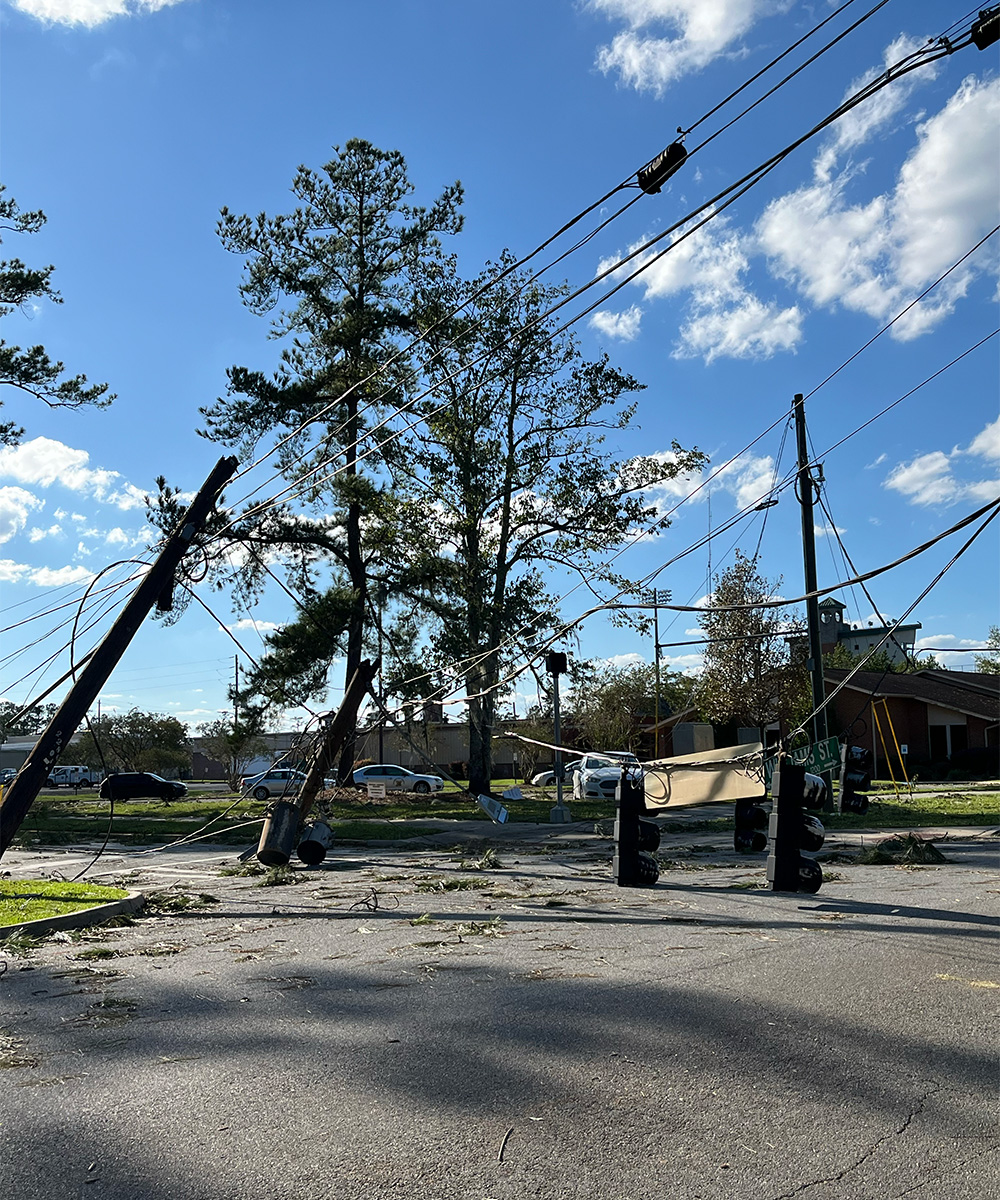
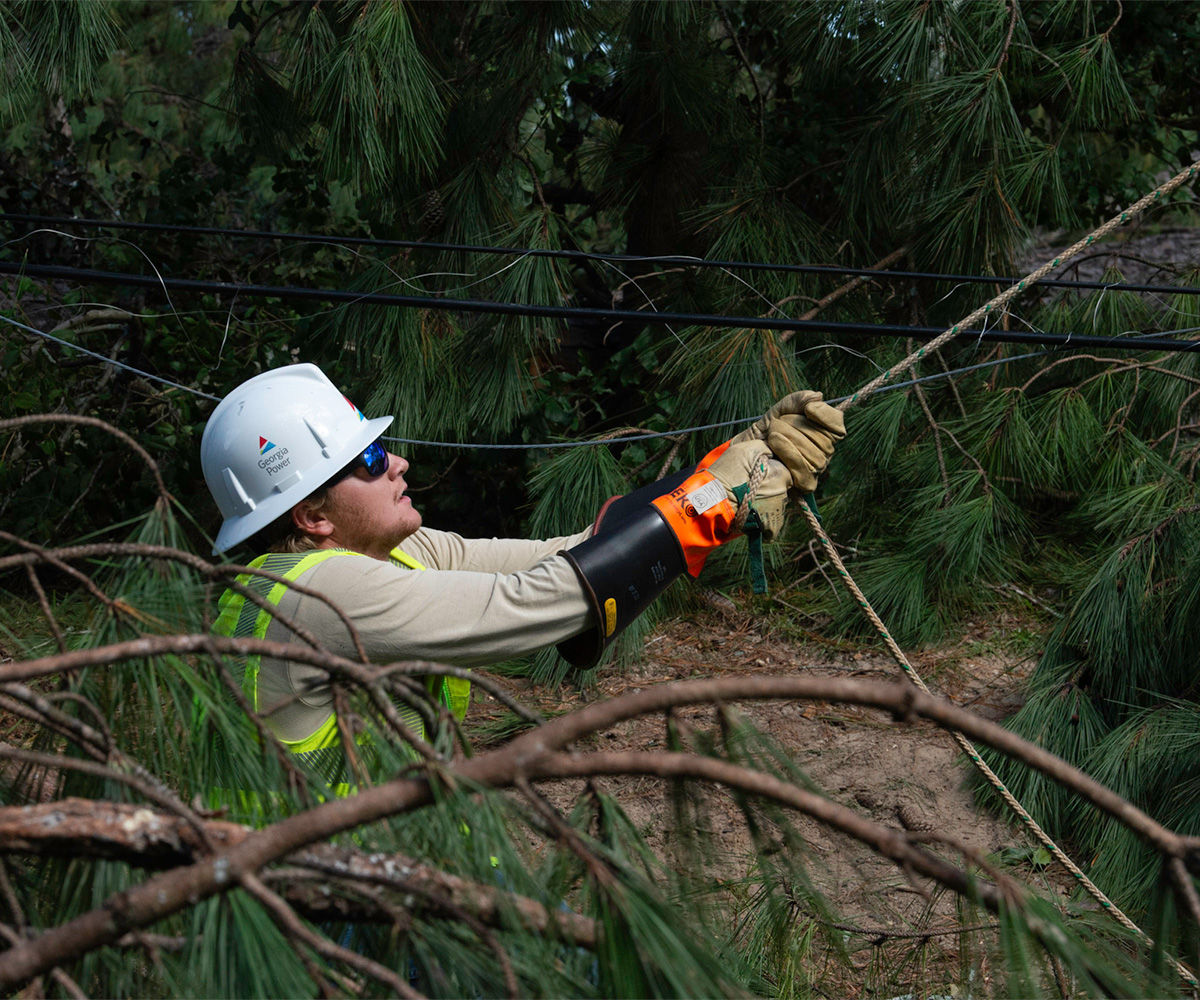
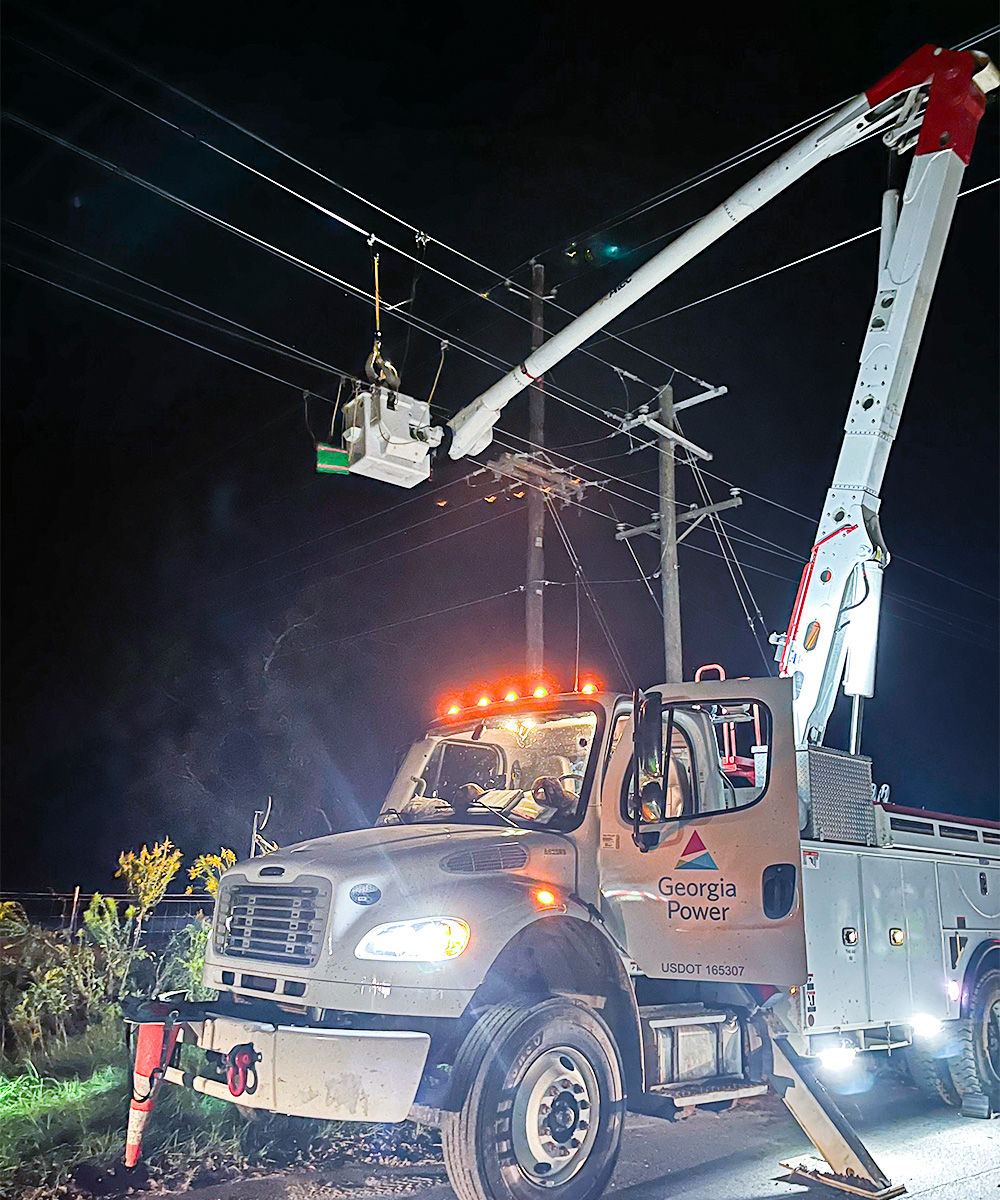
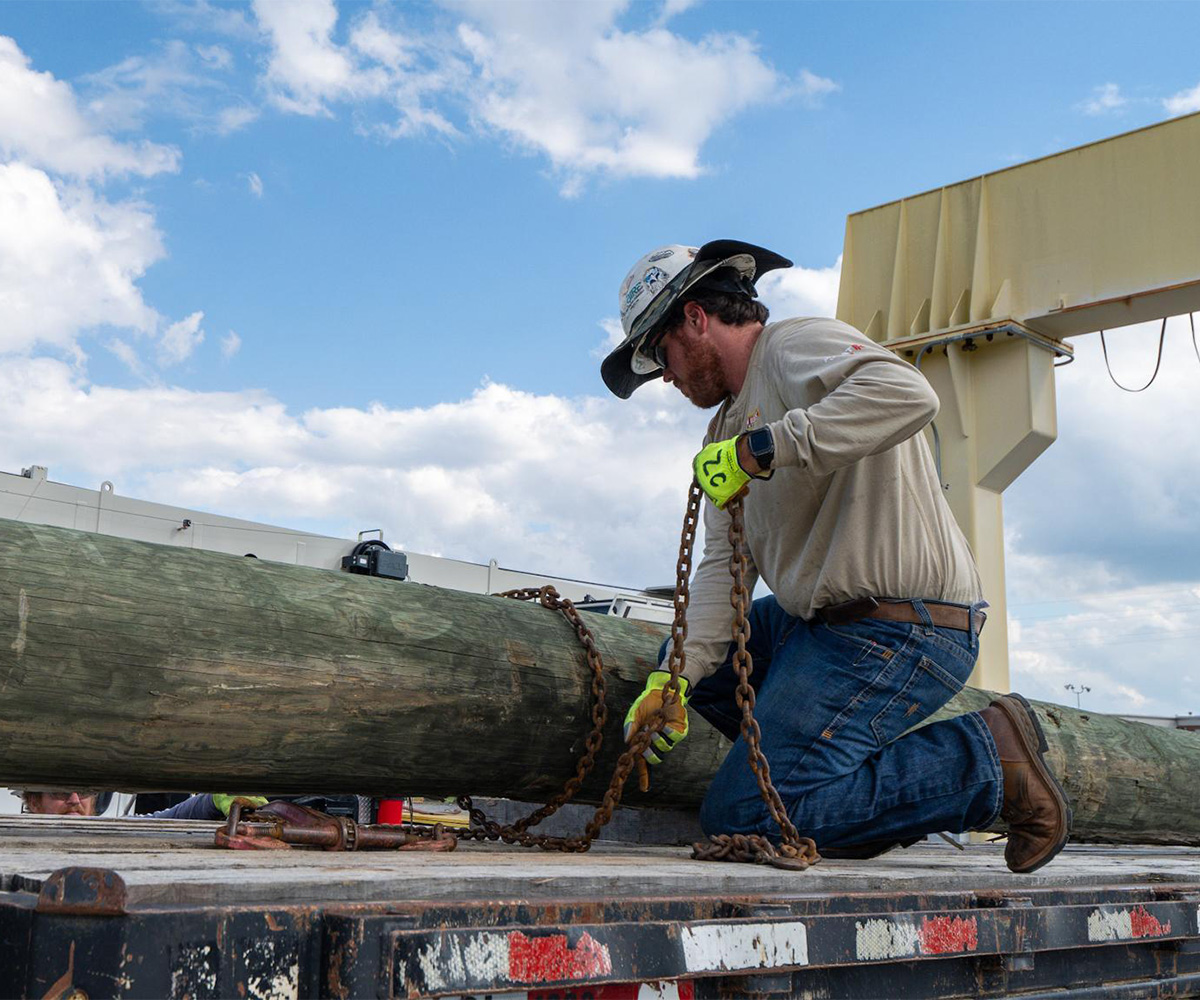
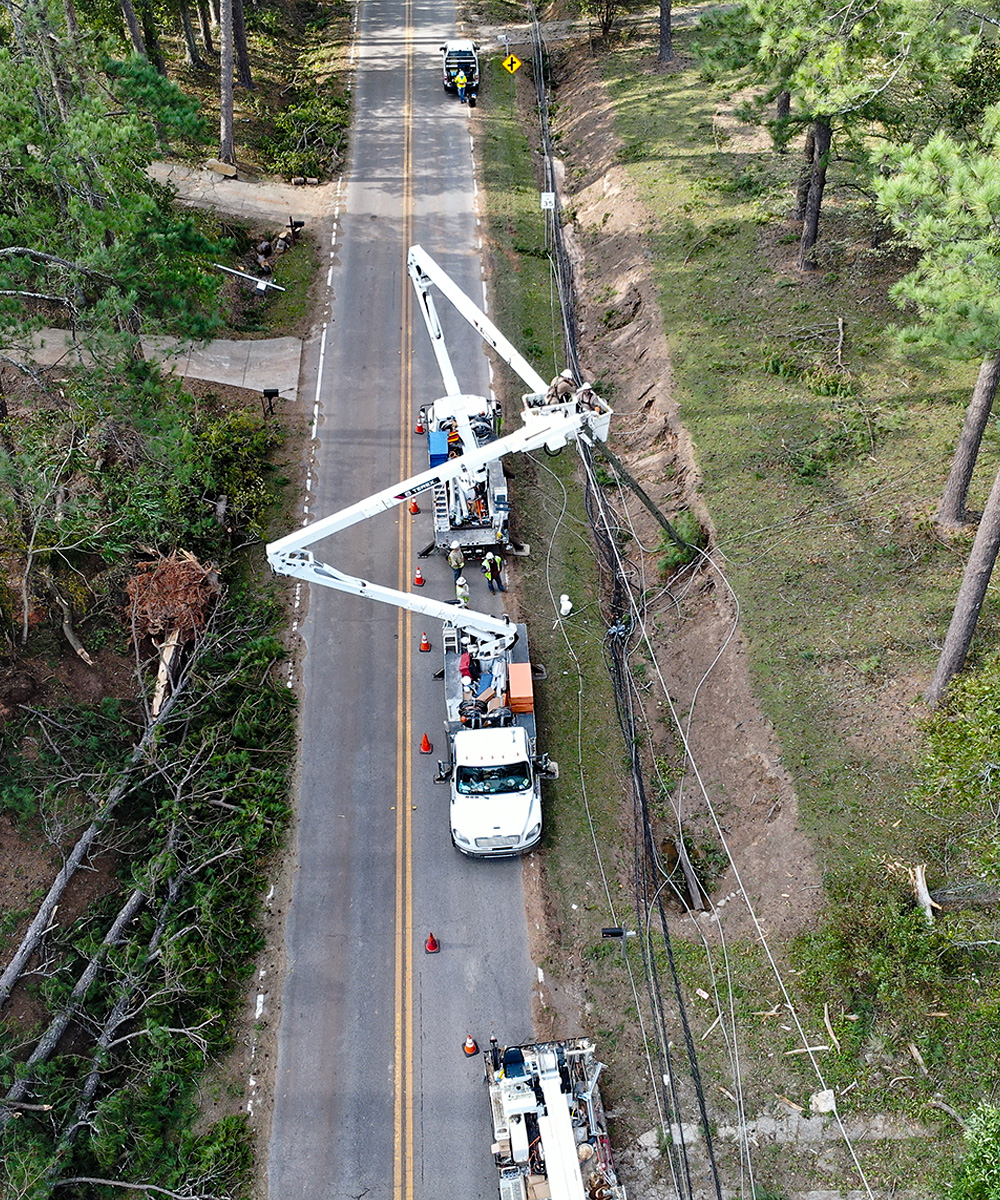
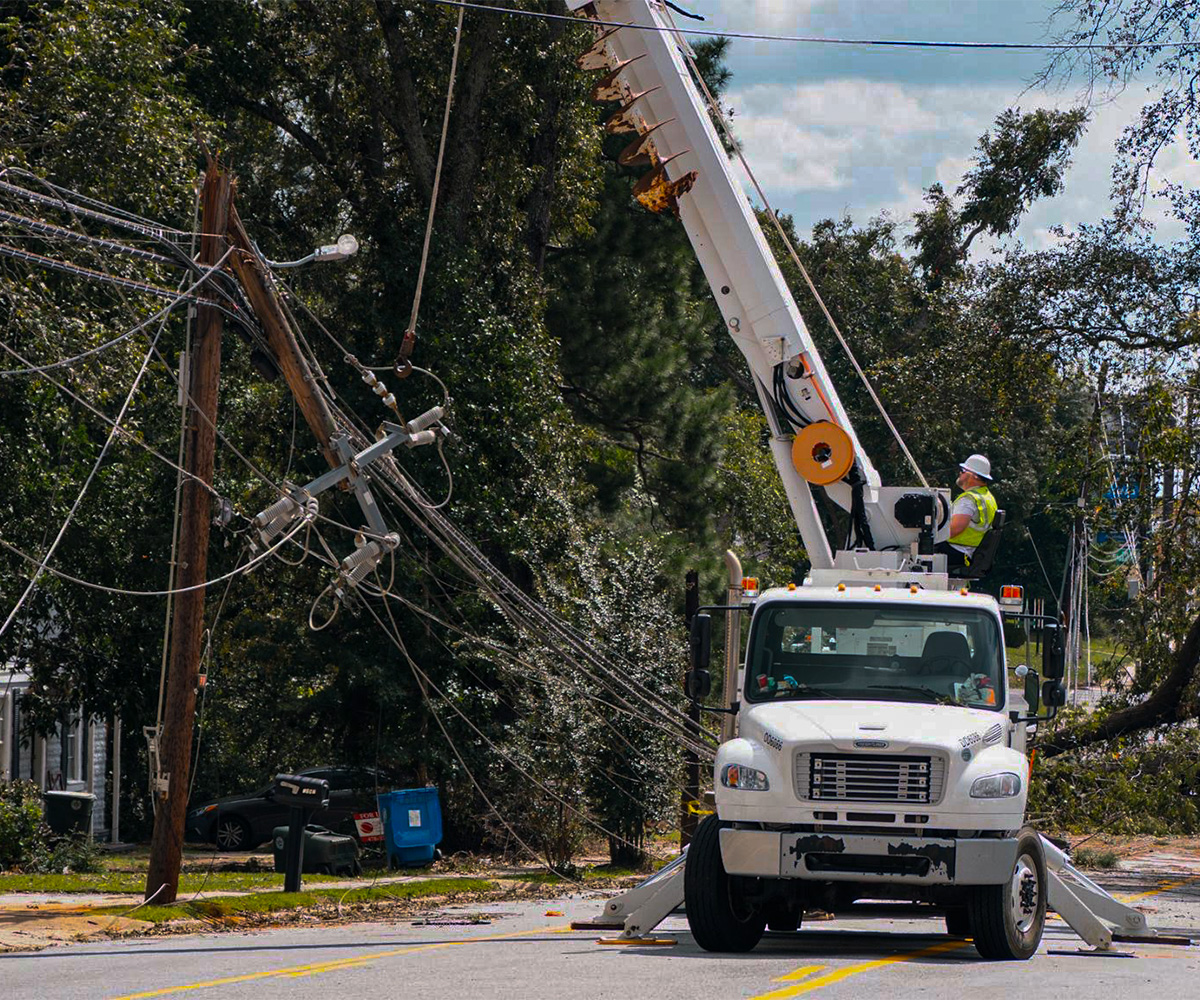
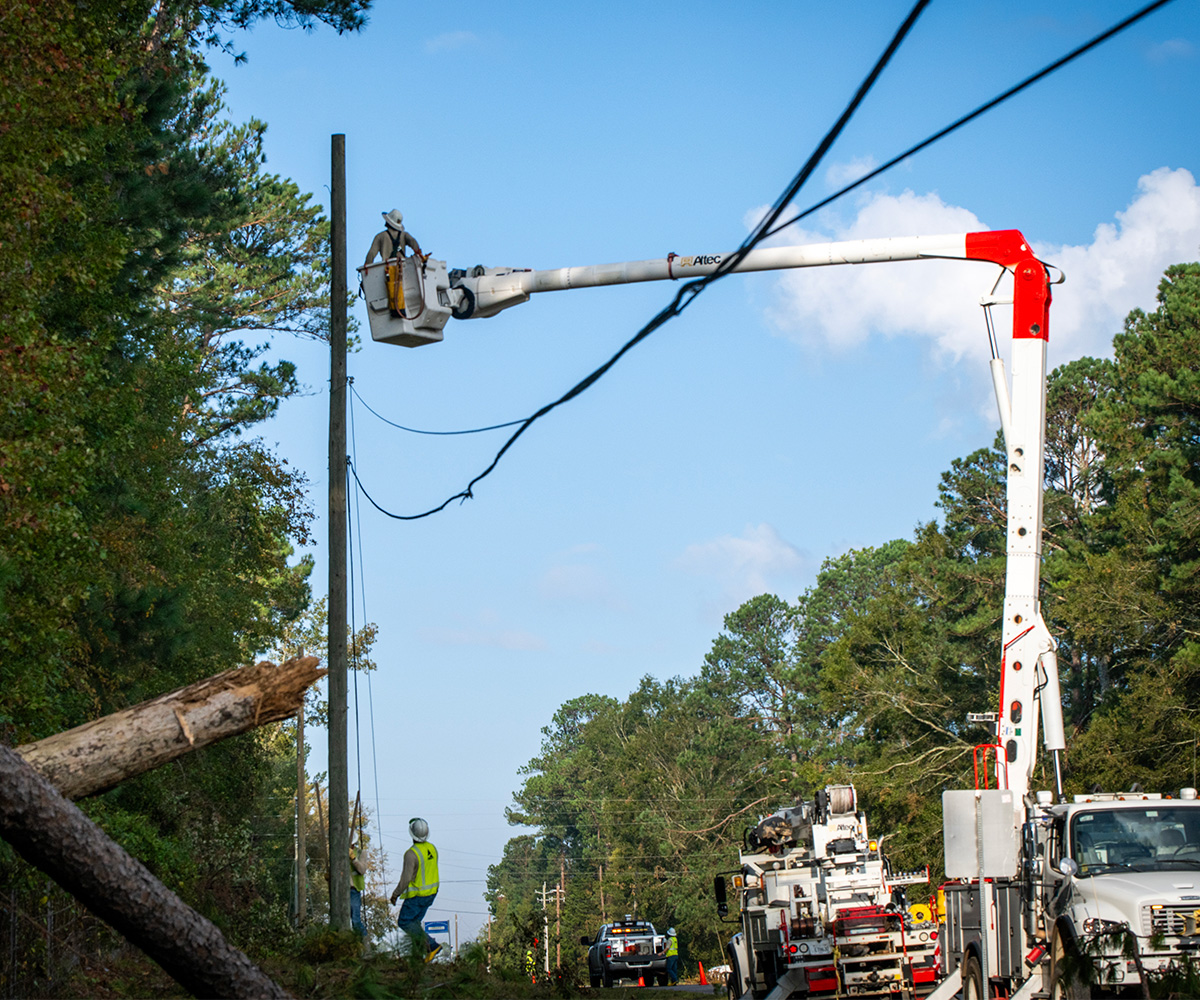
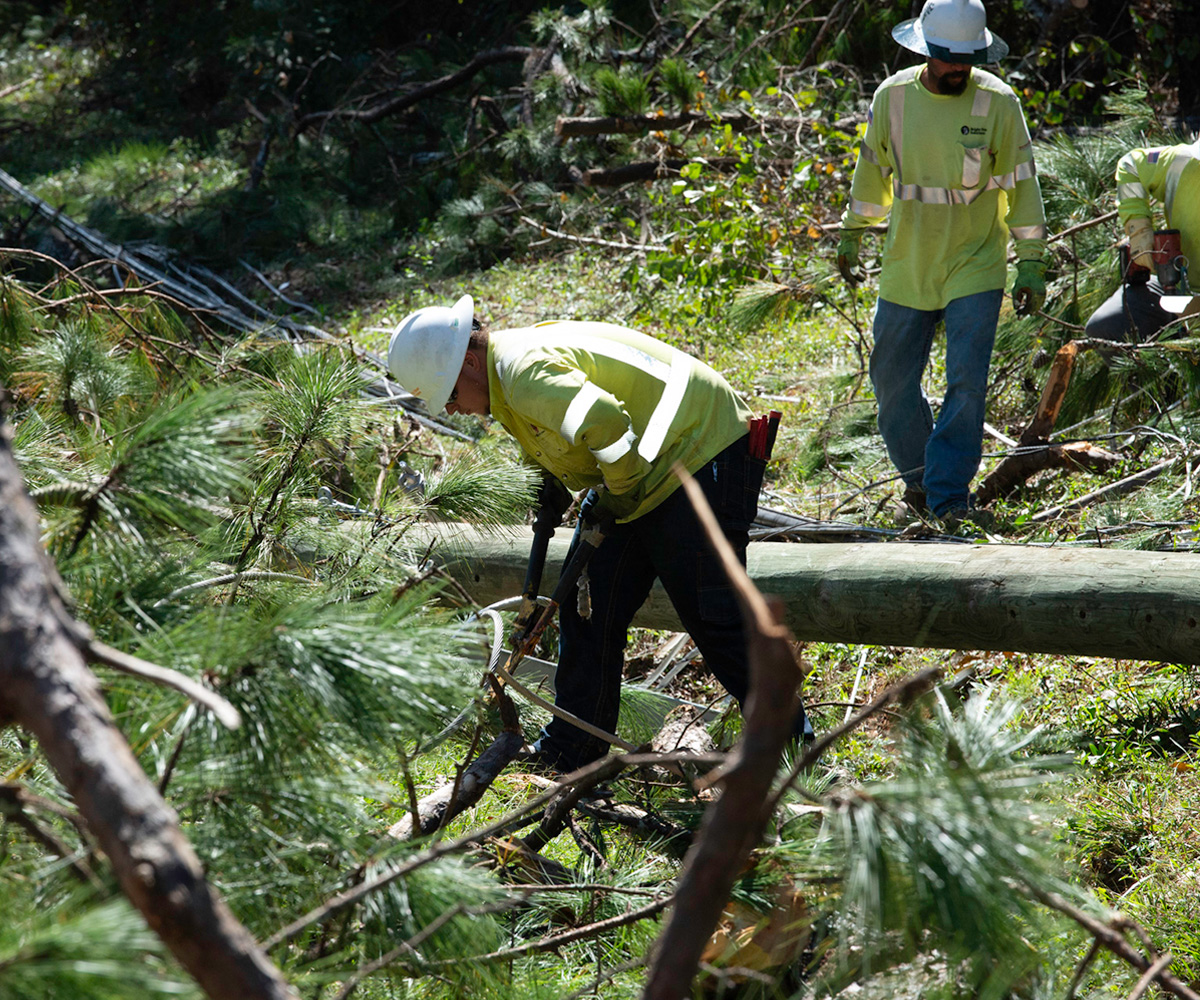
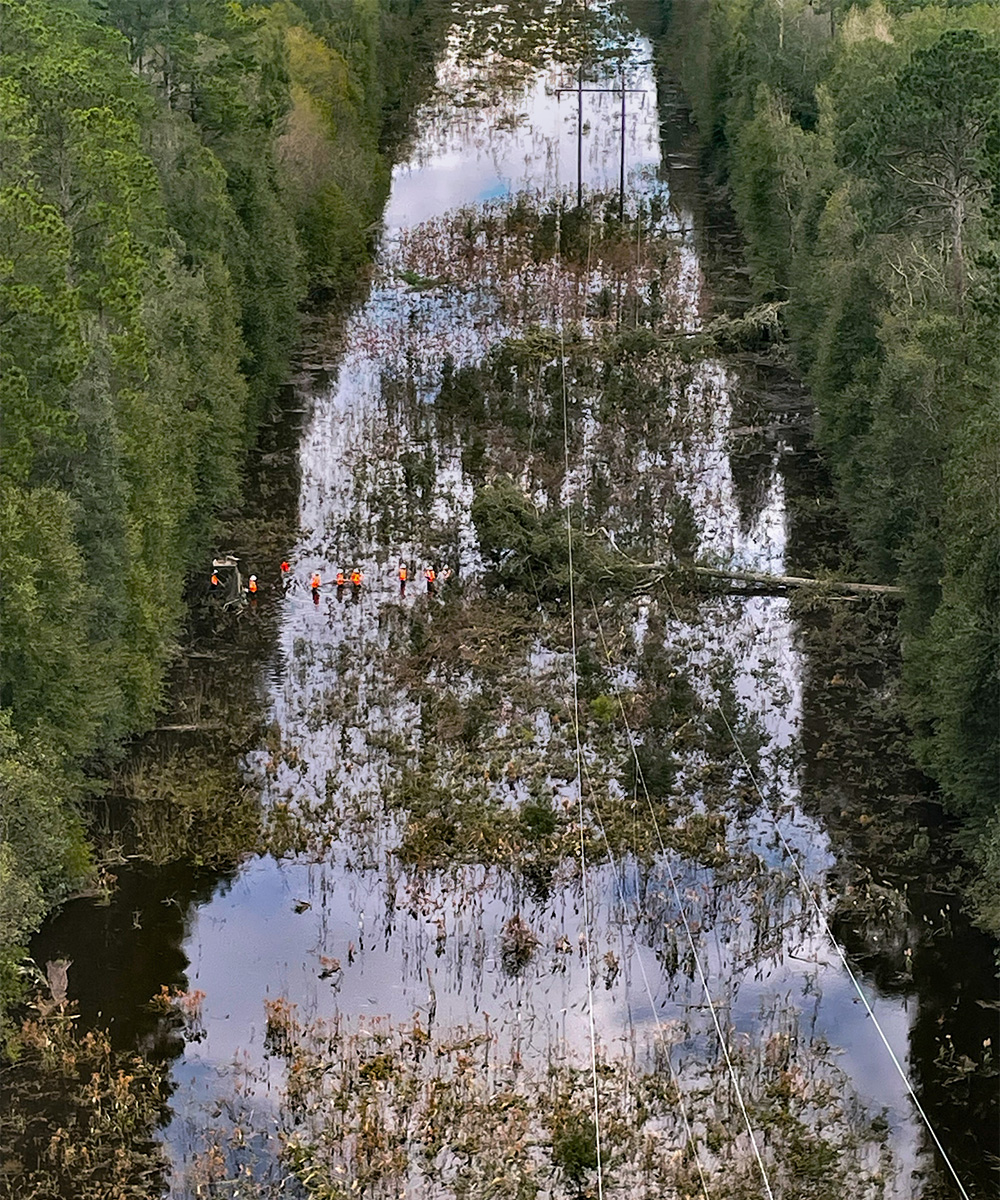
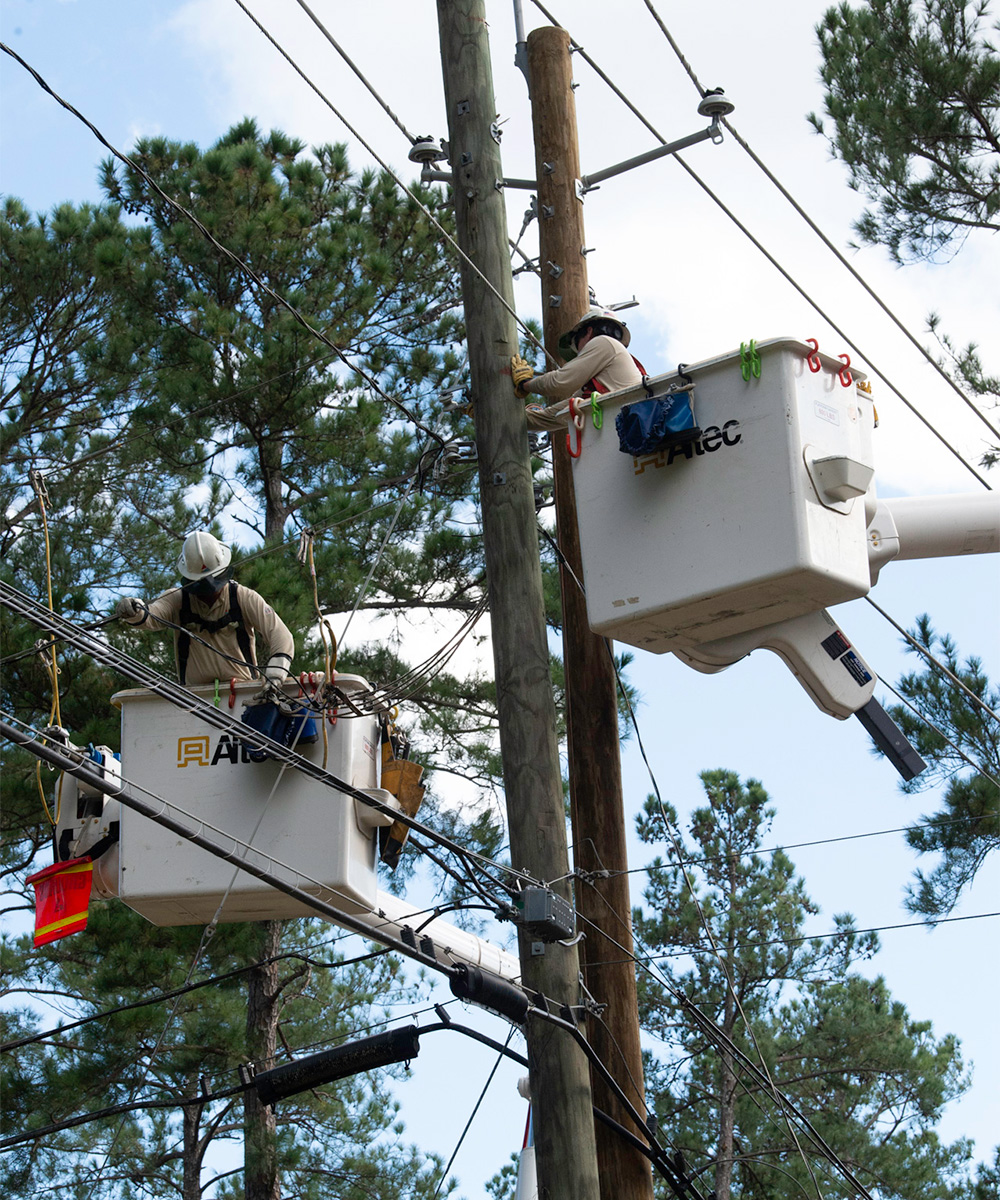
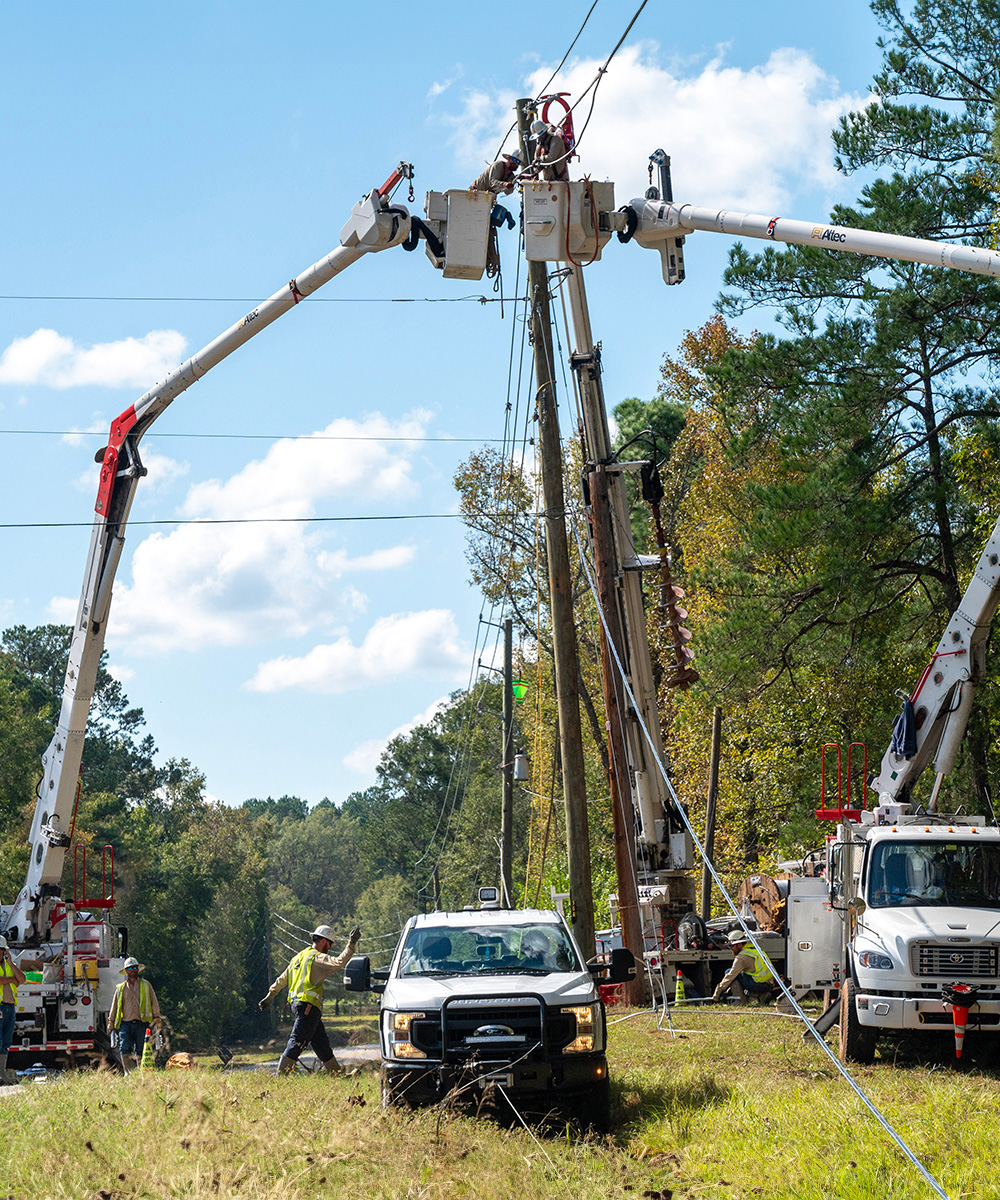
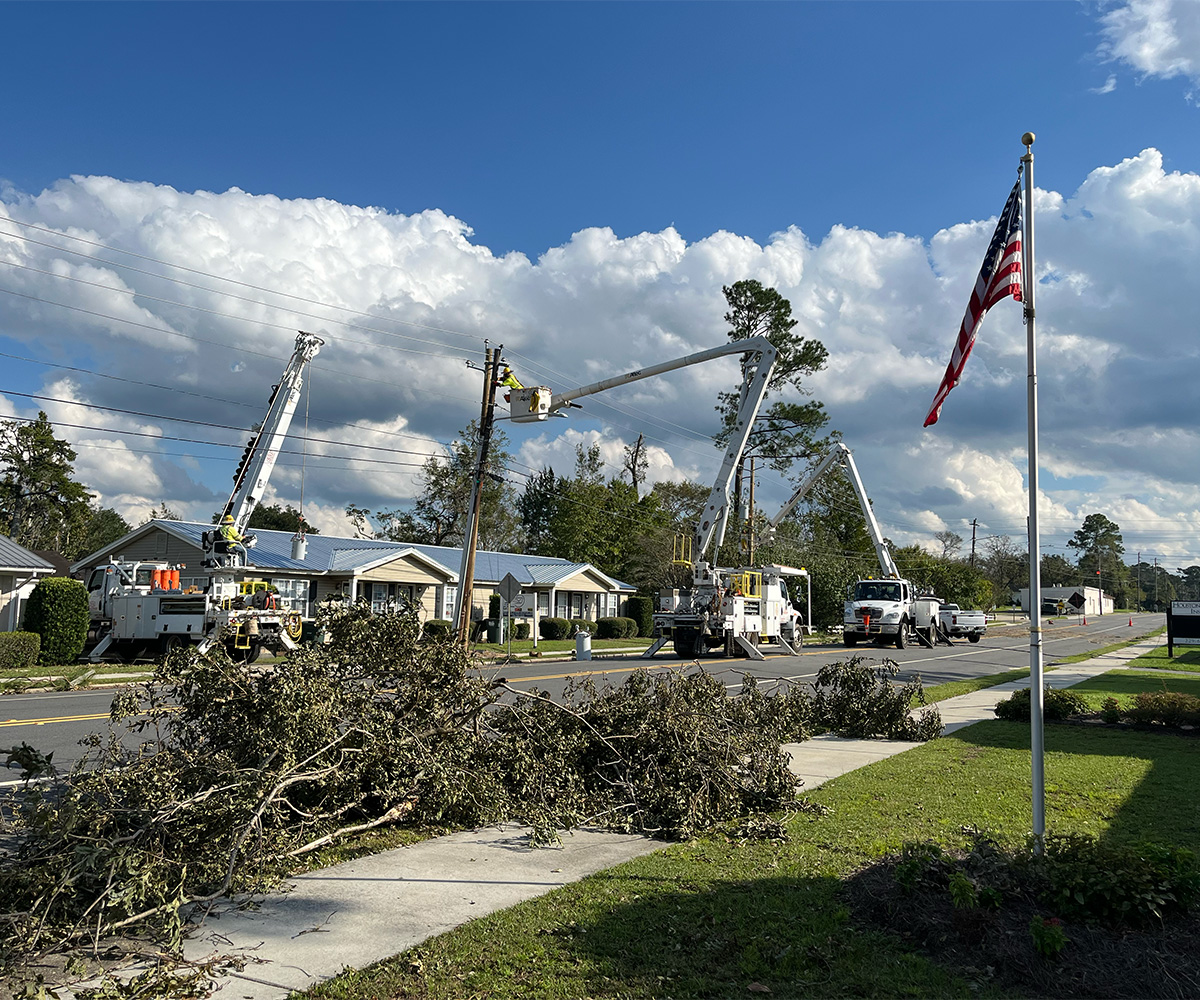
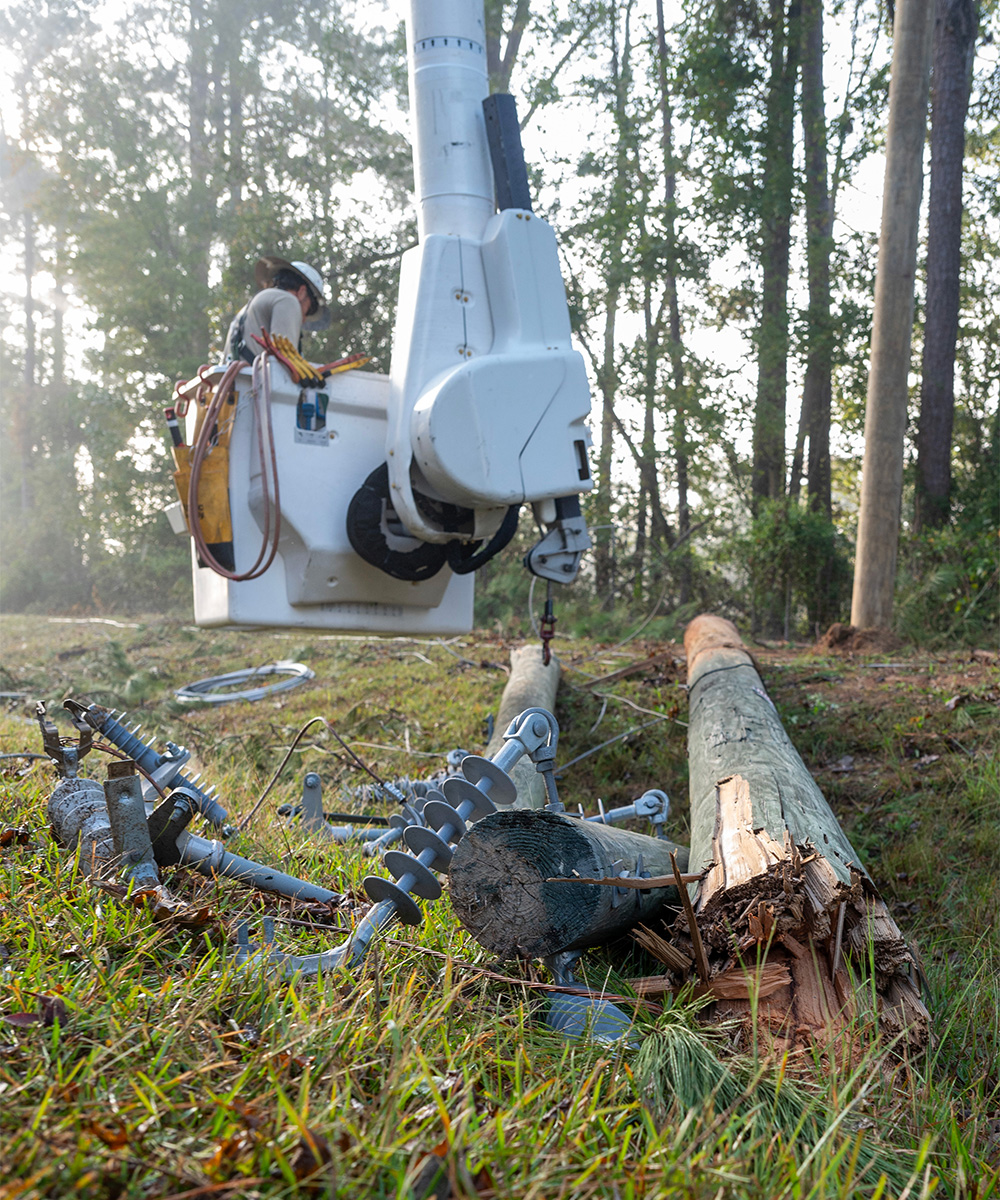
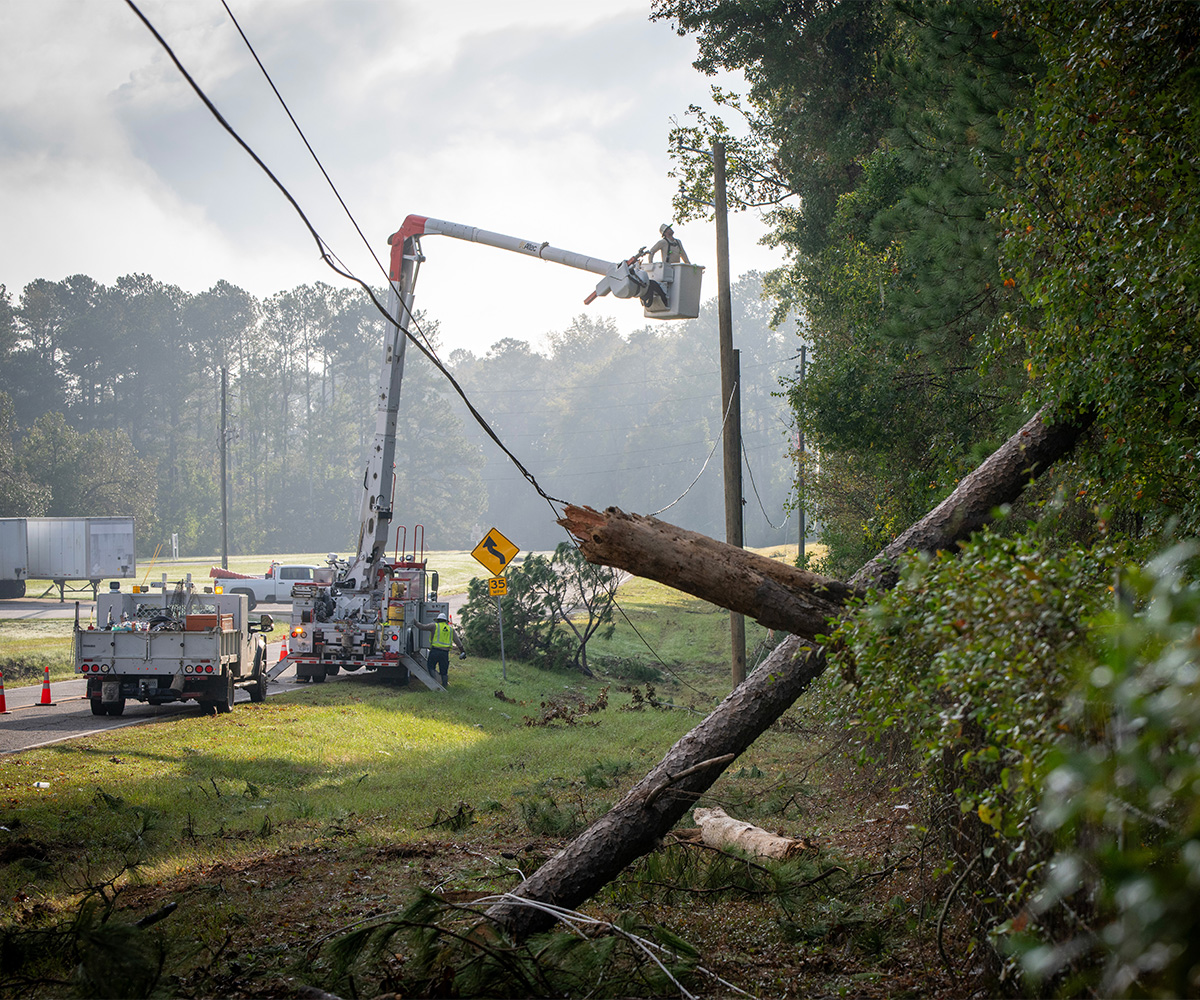
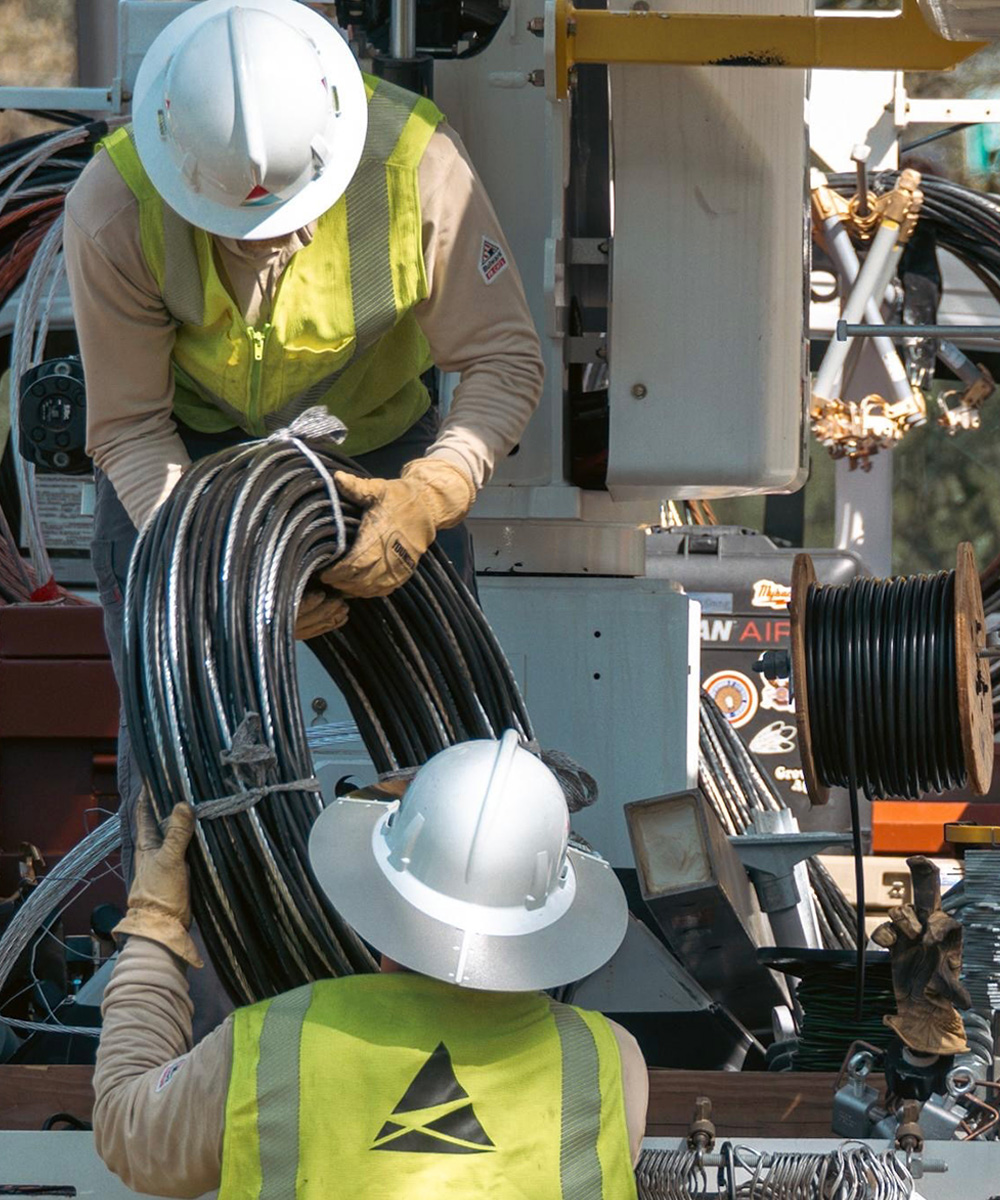
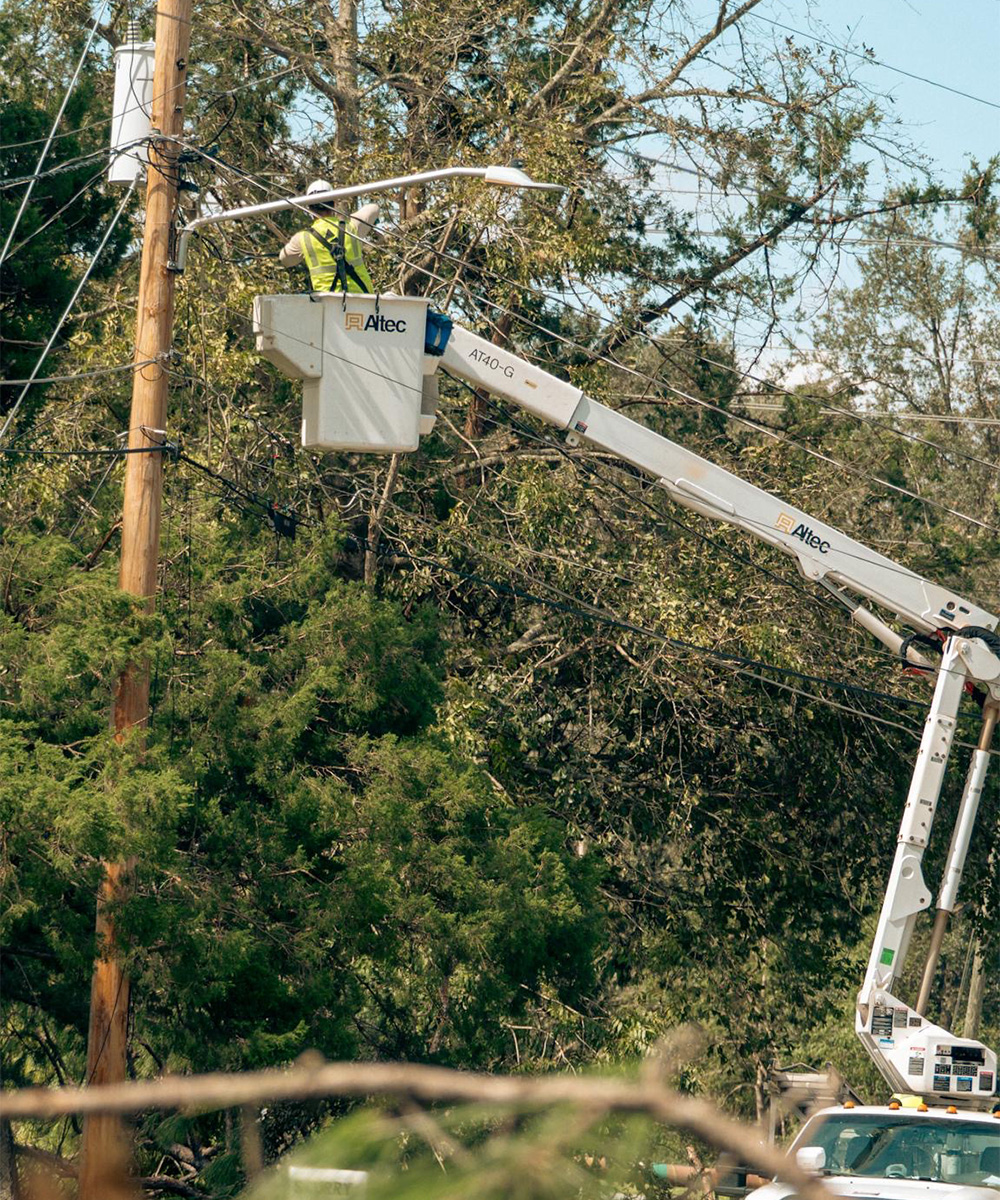
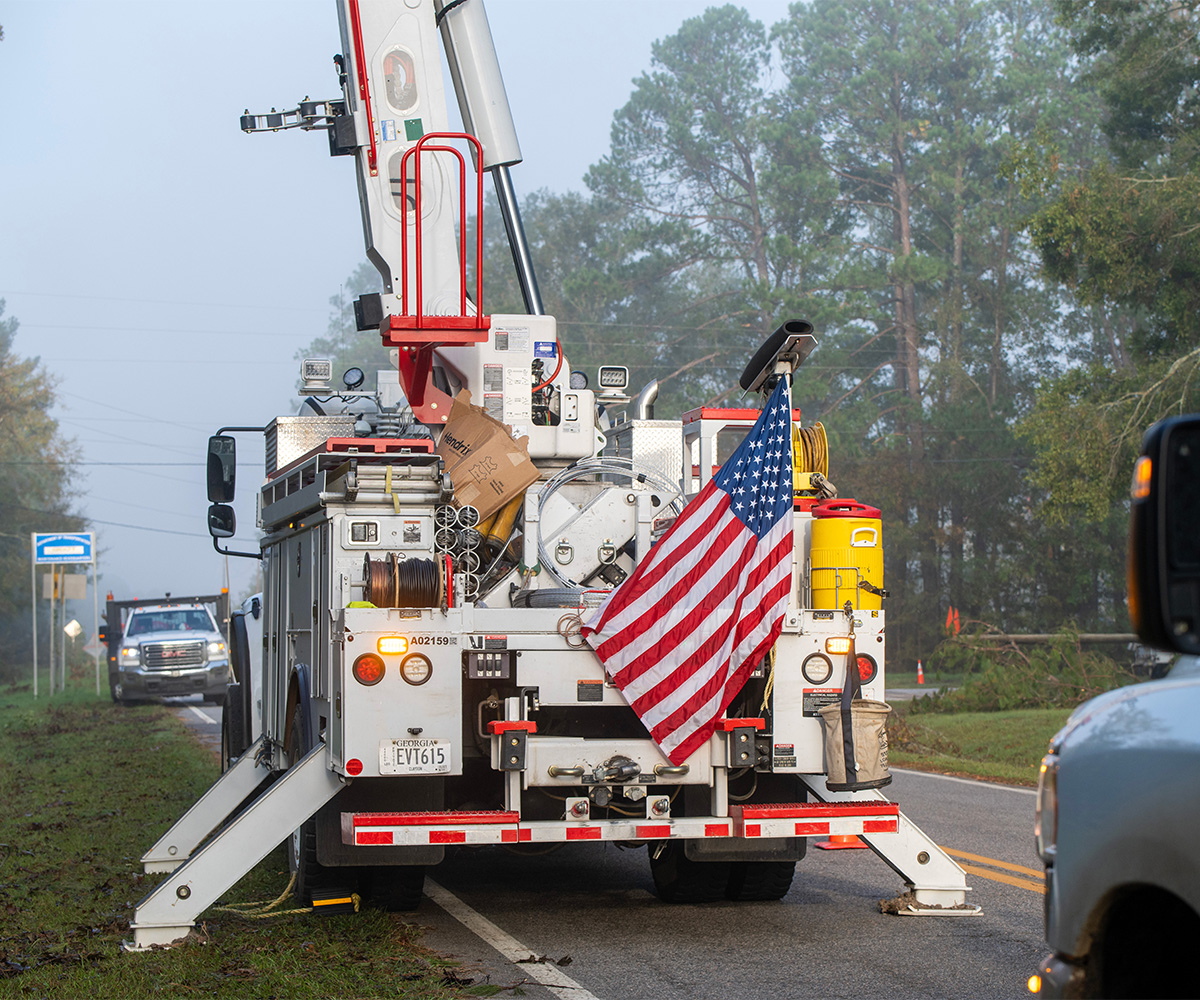
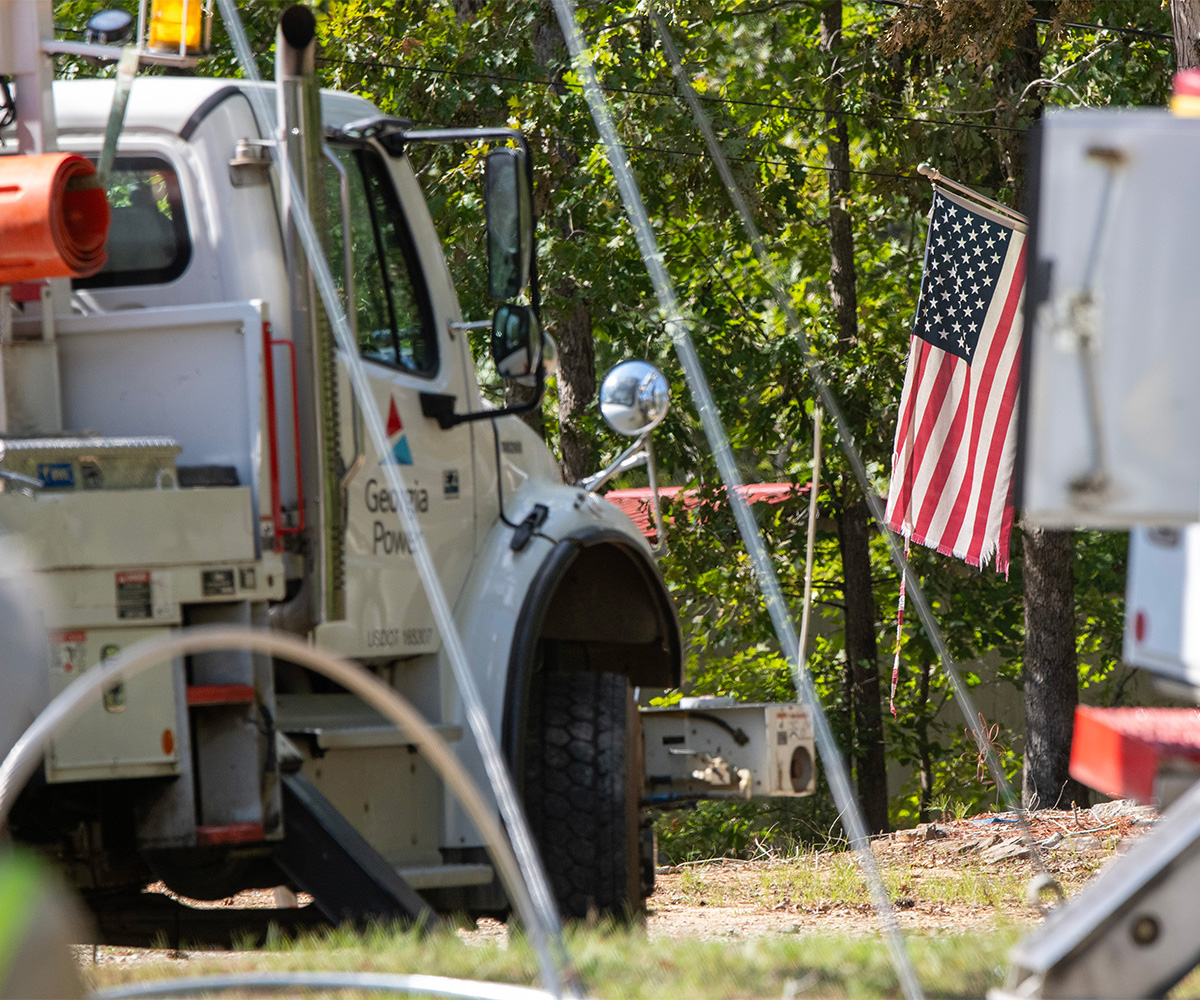
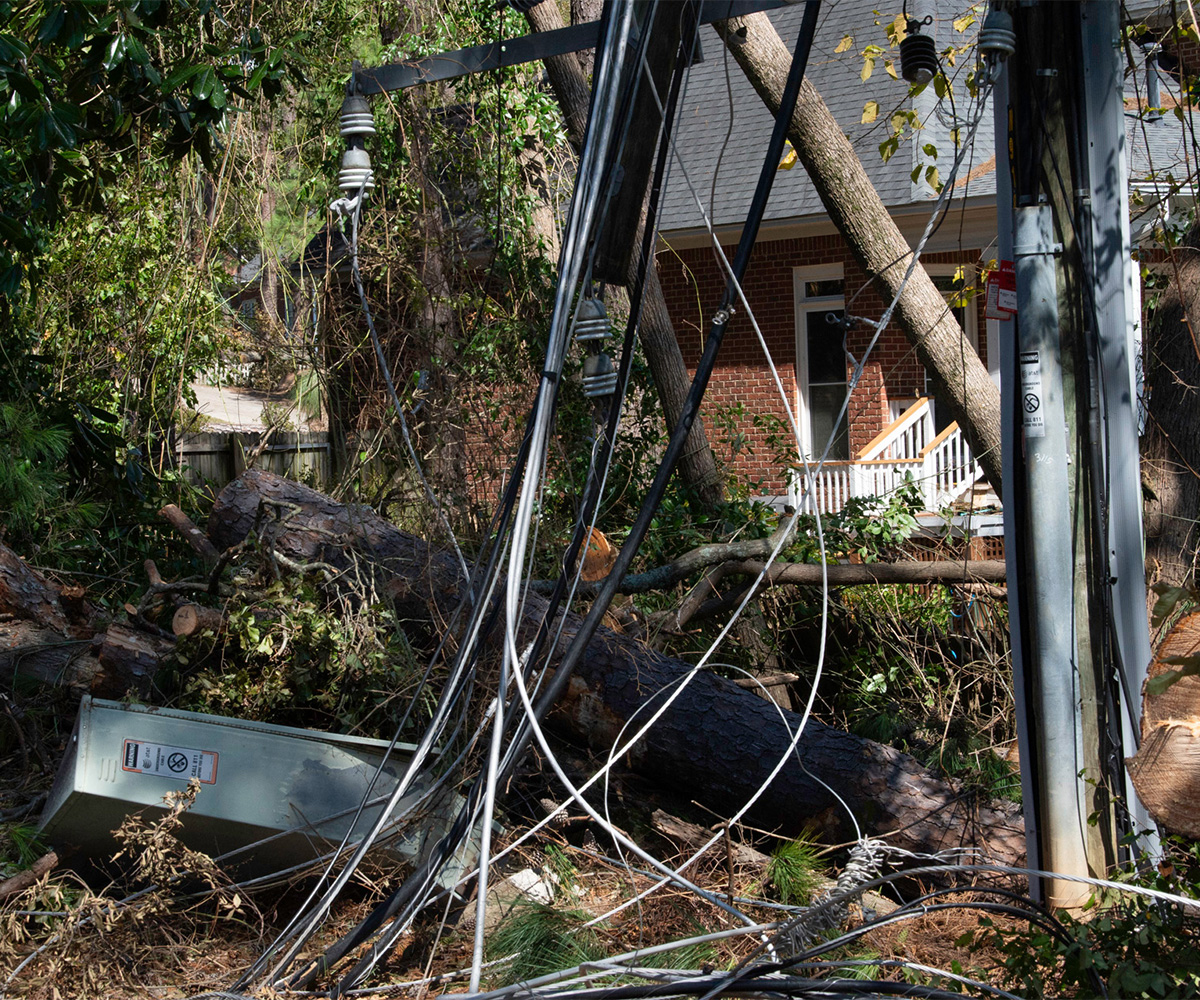
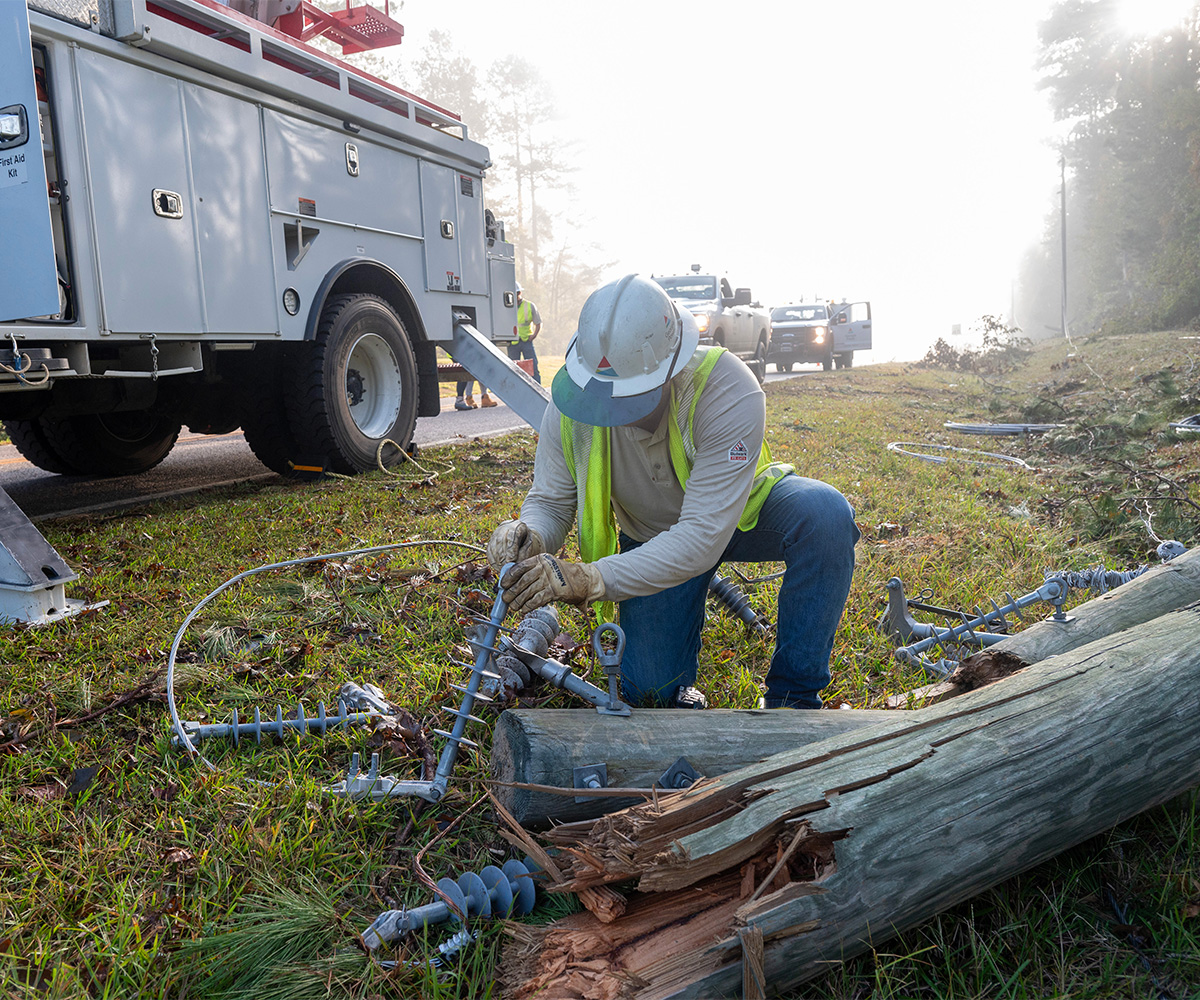
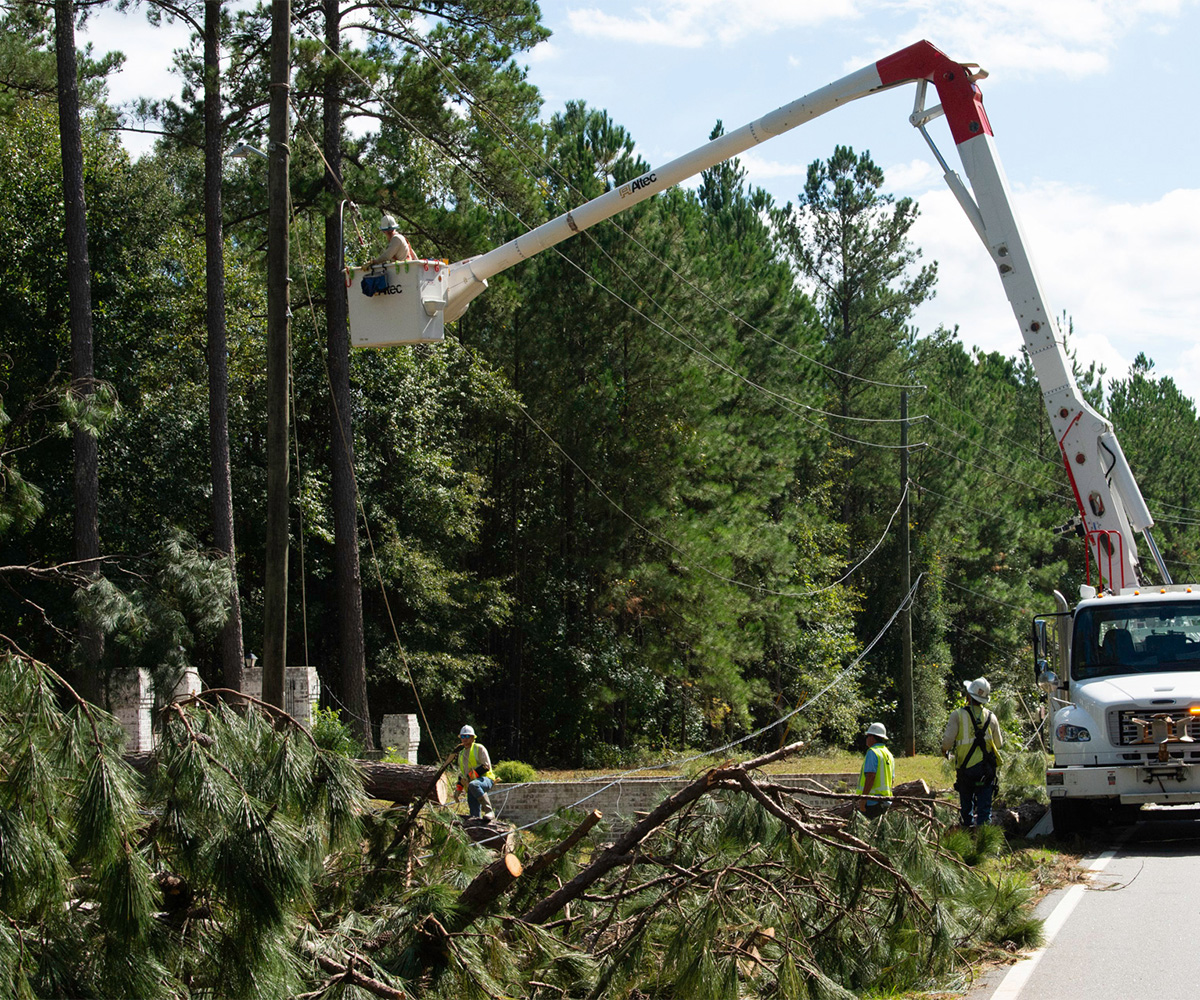
Throughout the storm's path, damage to the grid's infrastructure was so severe that crews were effectively rebuilding rather than simply reconnecting.
- 12,300+ power poles broken
- 1,500+ miles of downed power lines
- 5,800+ transformers damaged
- 3,200+ trees impacting lines
- 345+ transmission structures rebuilt or repaired
Impacted Communities
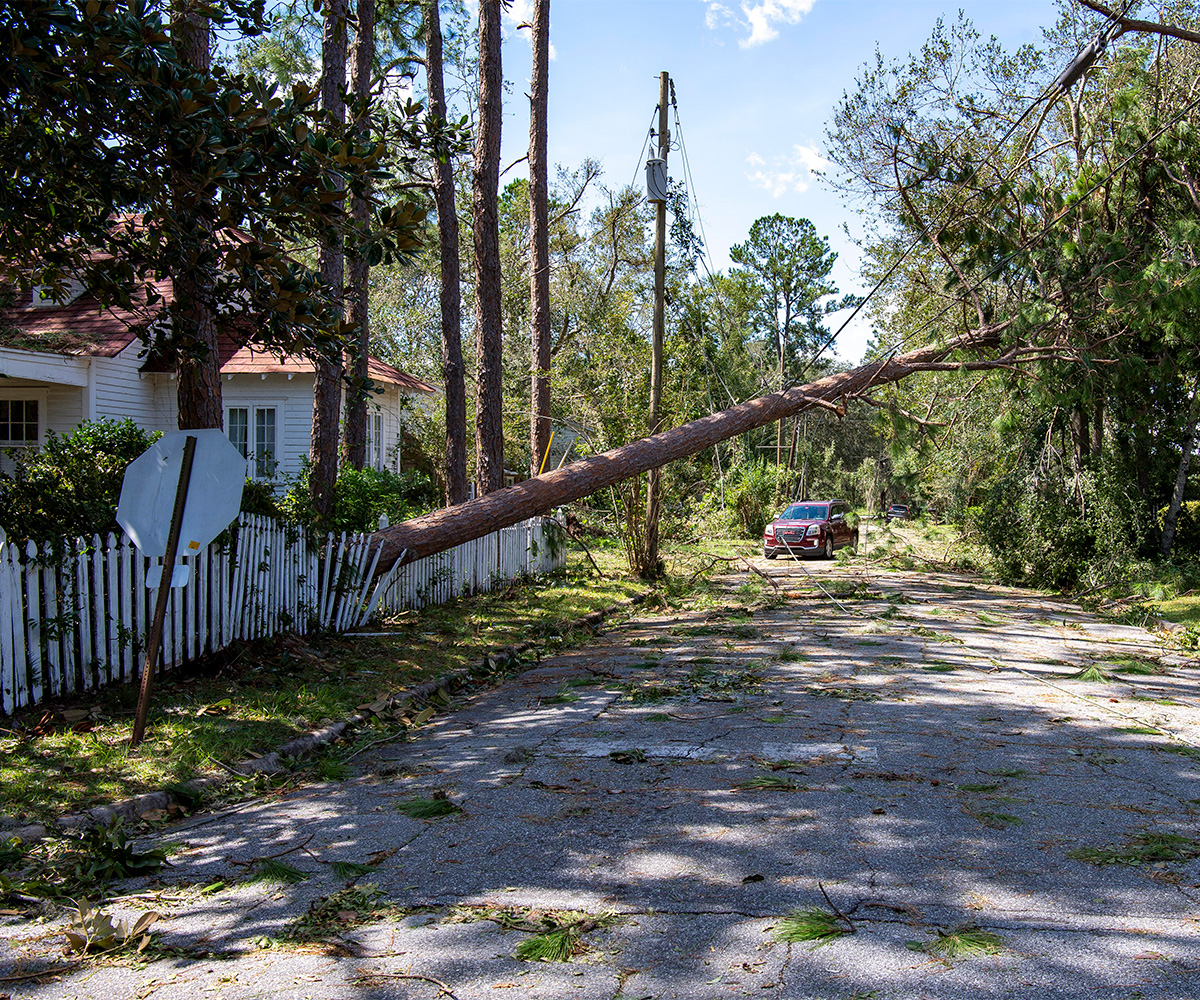
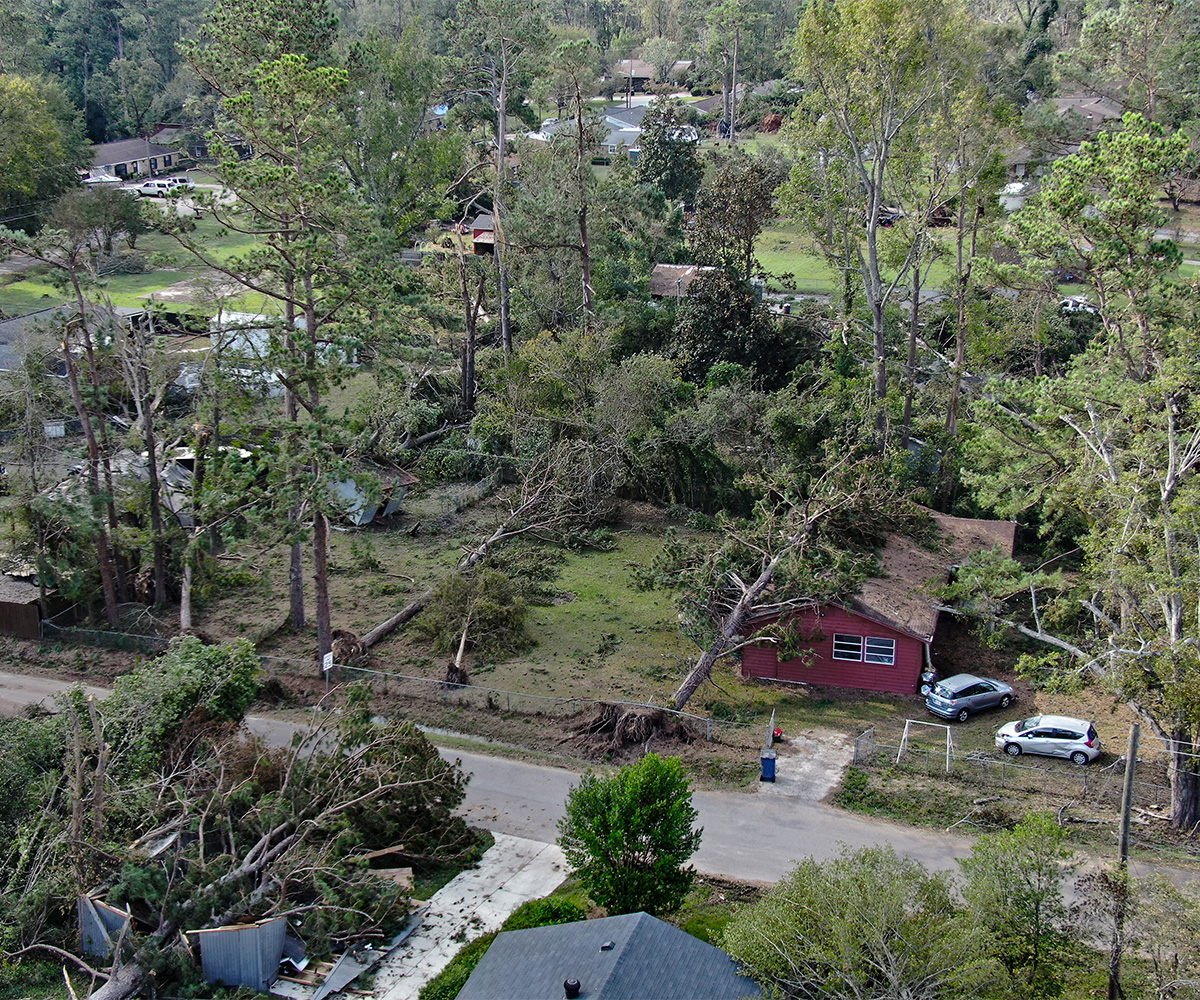
In the hardest-hit counties across the state, downed trees, flooding, and broken power poles contributed to service interruptions for nearly all customers.
- 1,544,000+ total outages
- 53 counties declared major disaster sites by FEMA
- 523,000+ customers had power restored within the first 48 hours.
- 95% of affected customers had been restored within the first 10 days.
Largest Restoration Operation in Our History
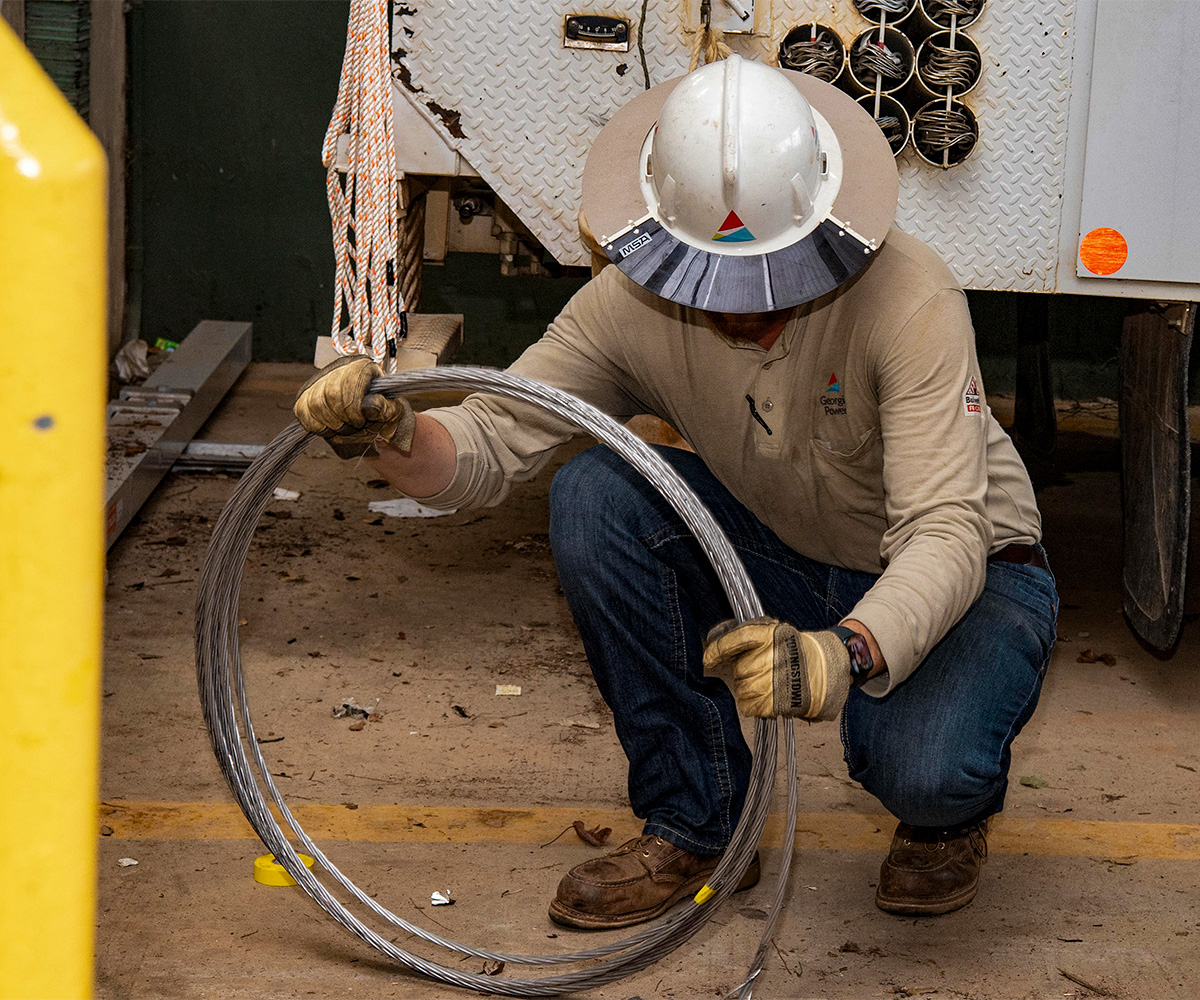
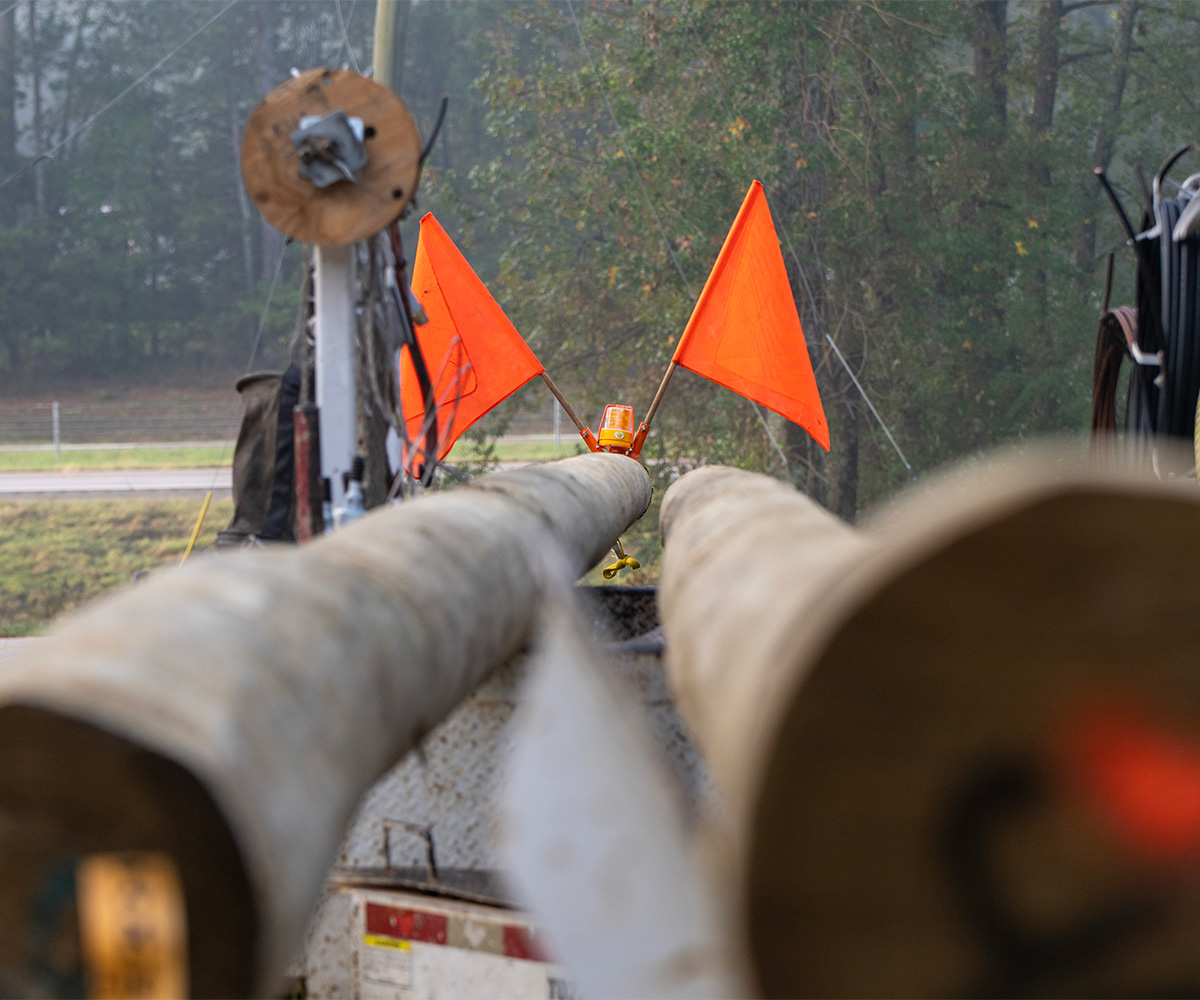
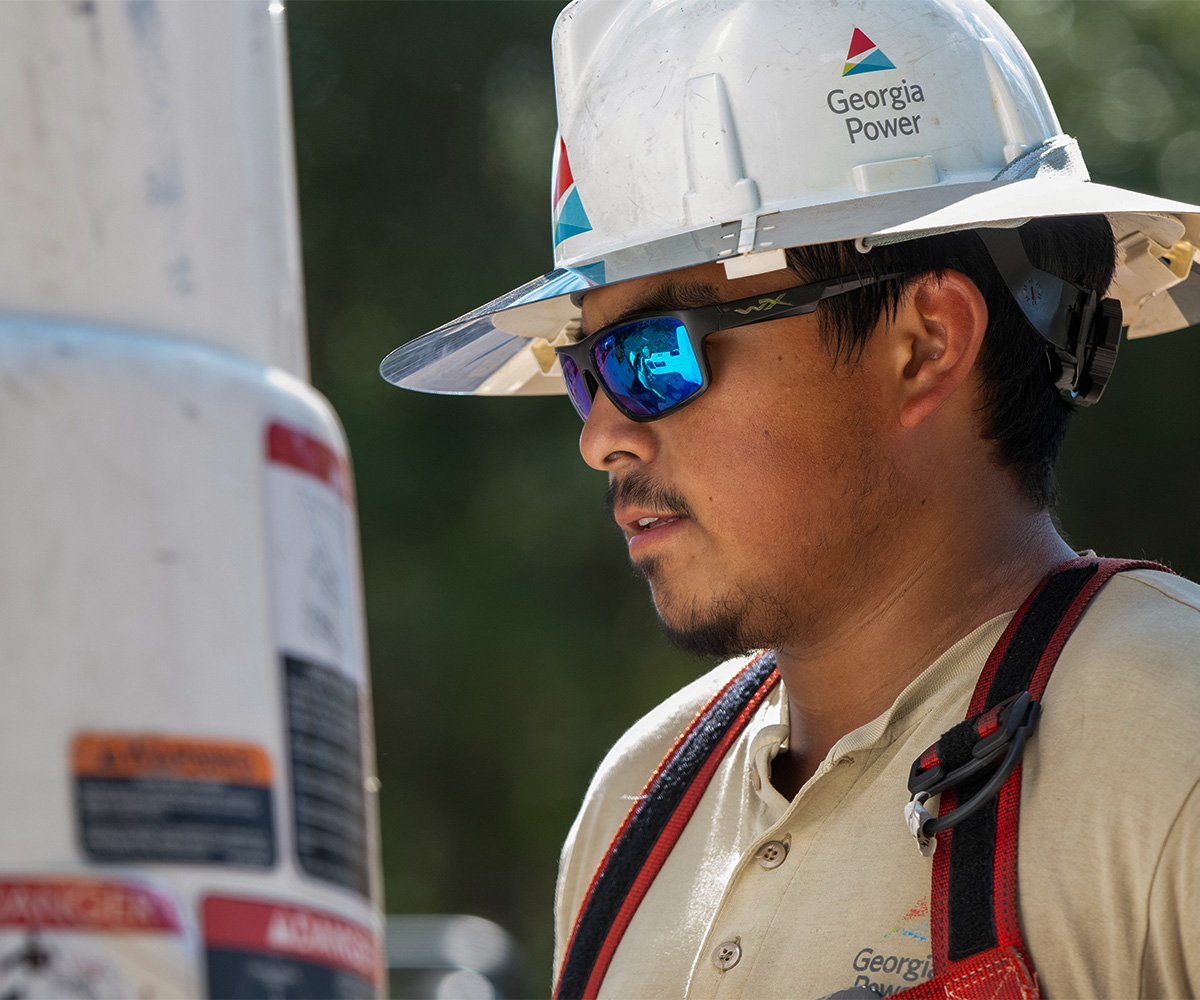
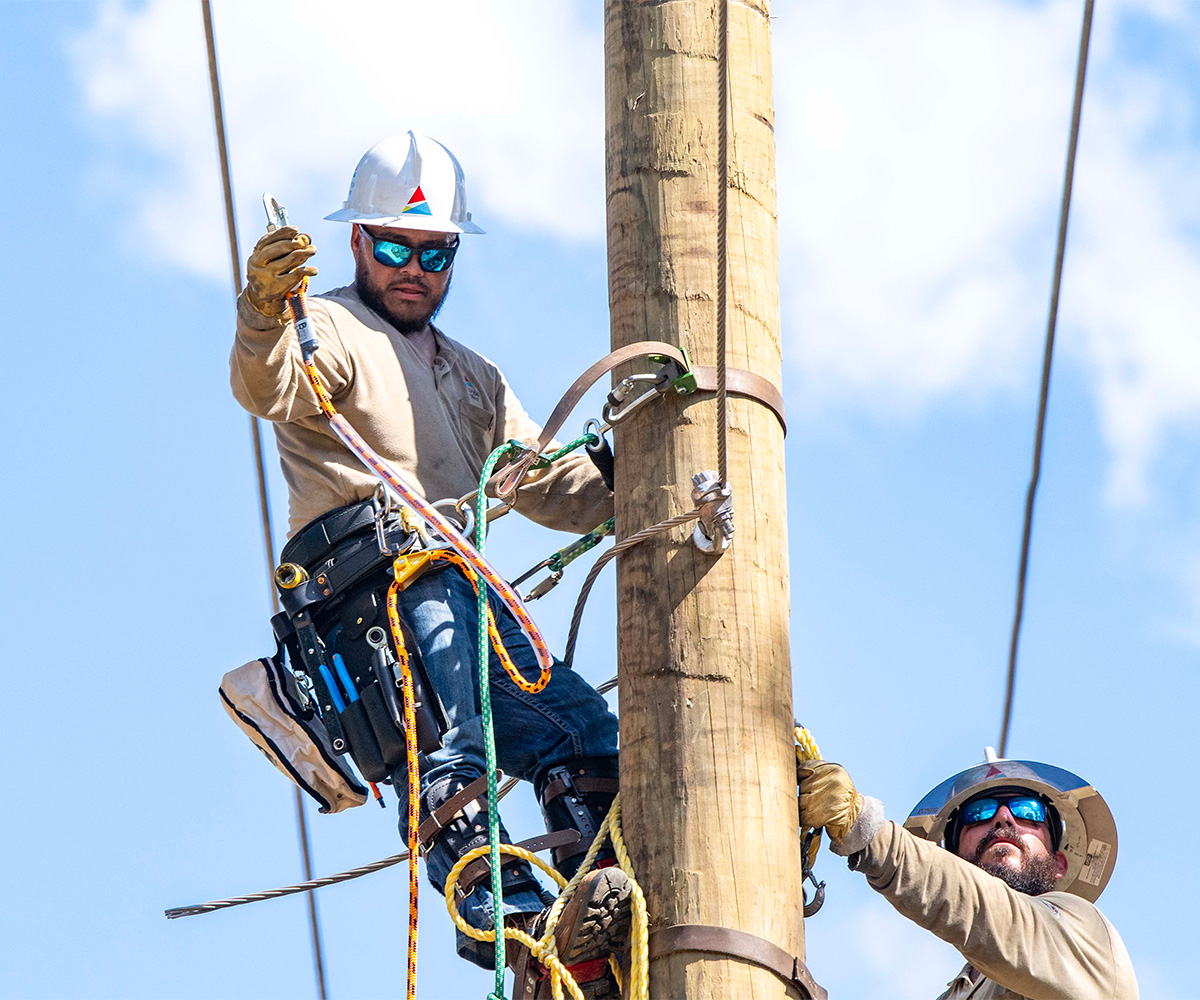
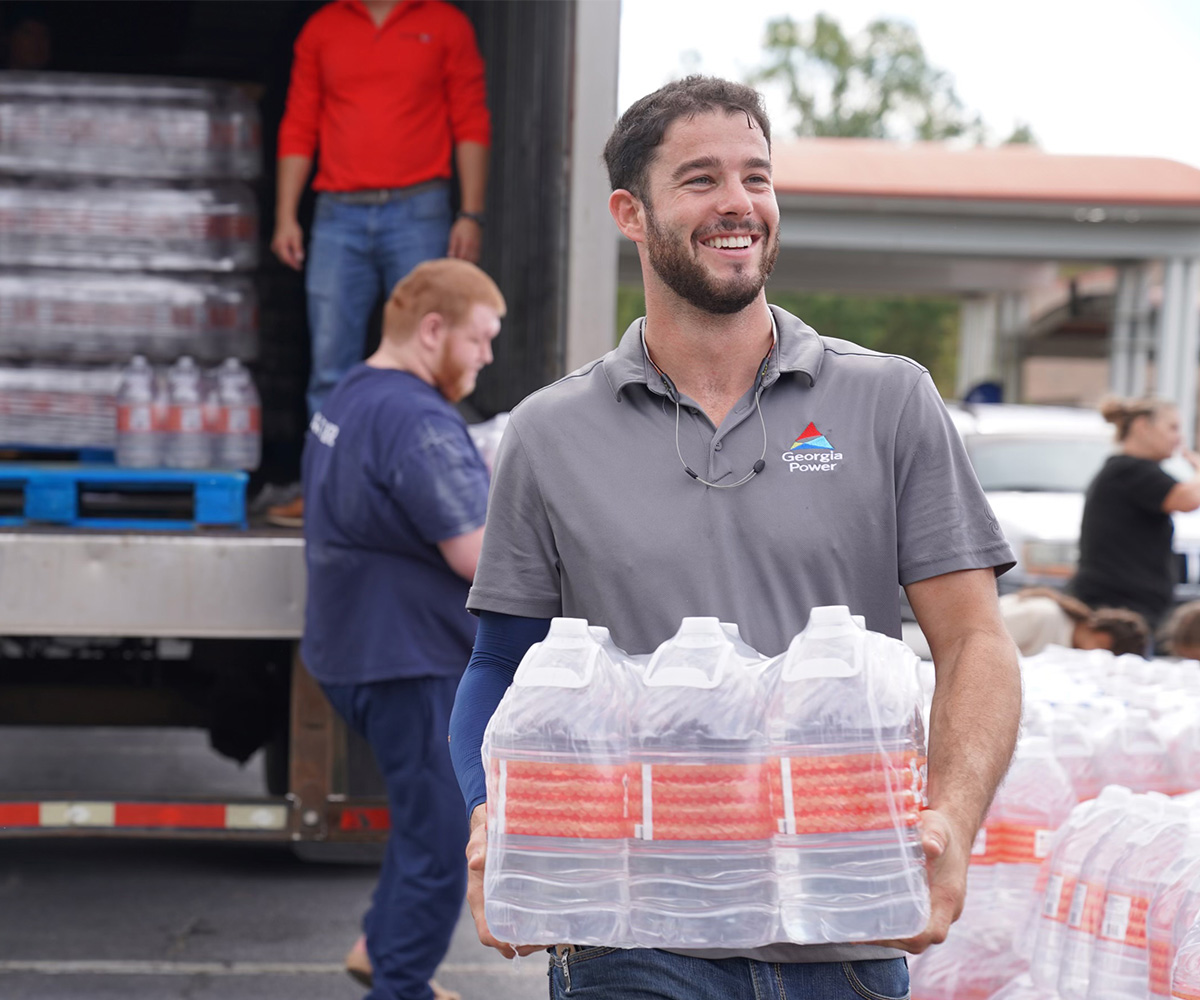
Thousands of front-line personnel across disciplines took part in the restoration efforts – from damage assessment to line crews, vegetation management teams, logistics and supply teams, and more.
- 20,000+ personnel responding
- 35+ assisting partner companies
From California, Florida, Indiana, Nevada, New Jersey, Oklahoma, Oregon, Pennsylvania, Texas, and Canada
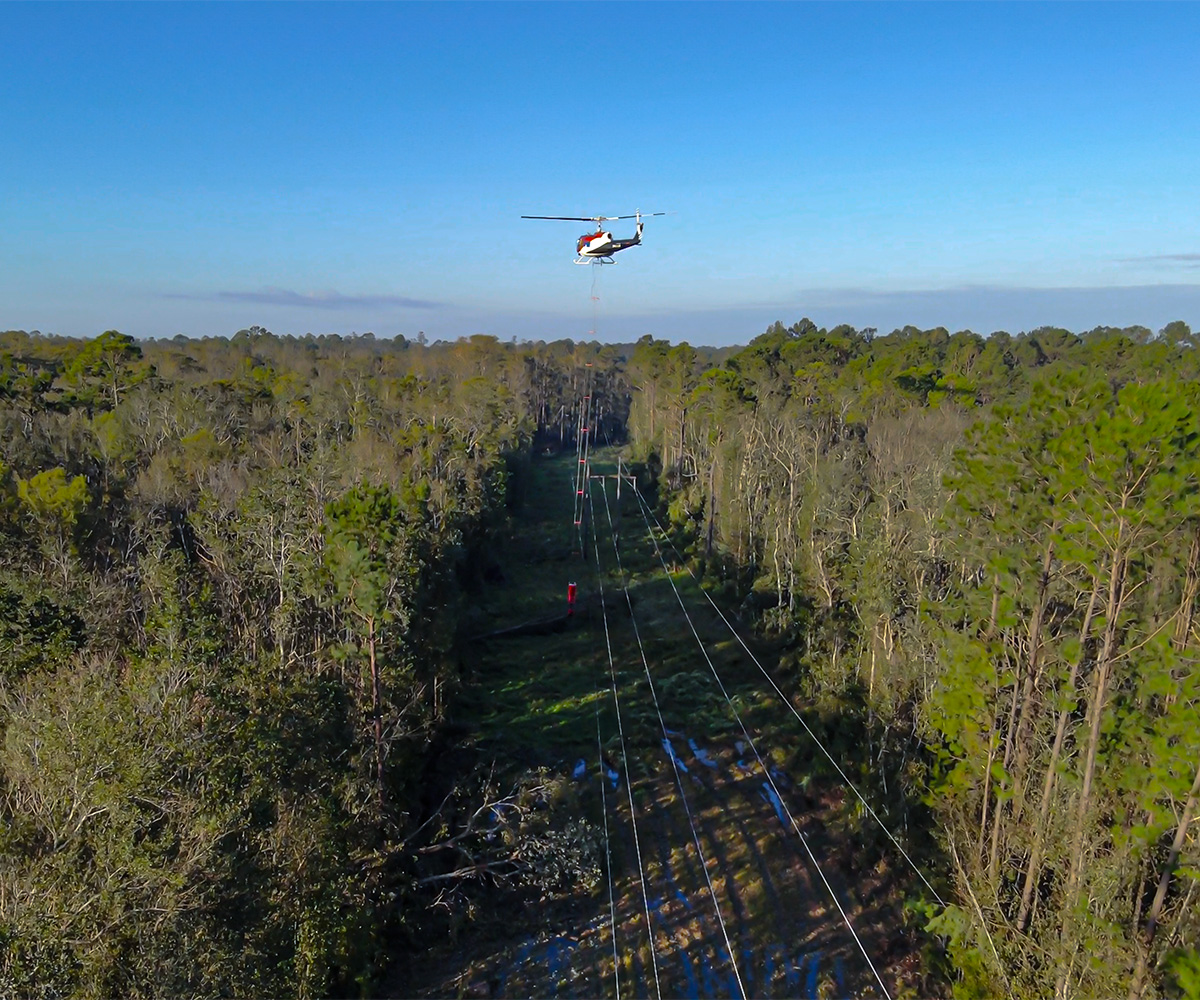
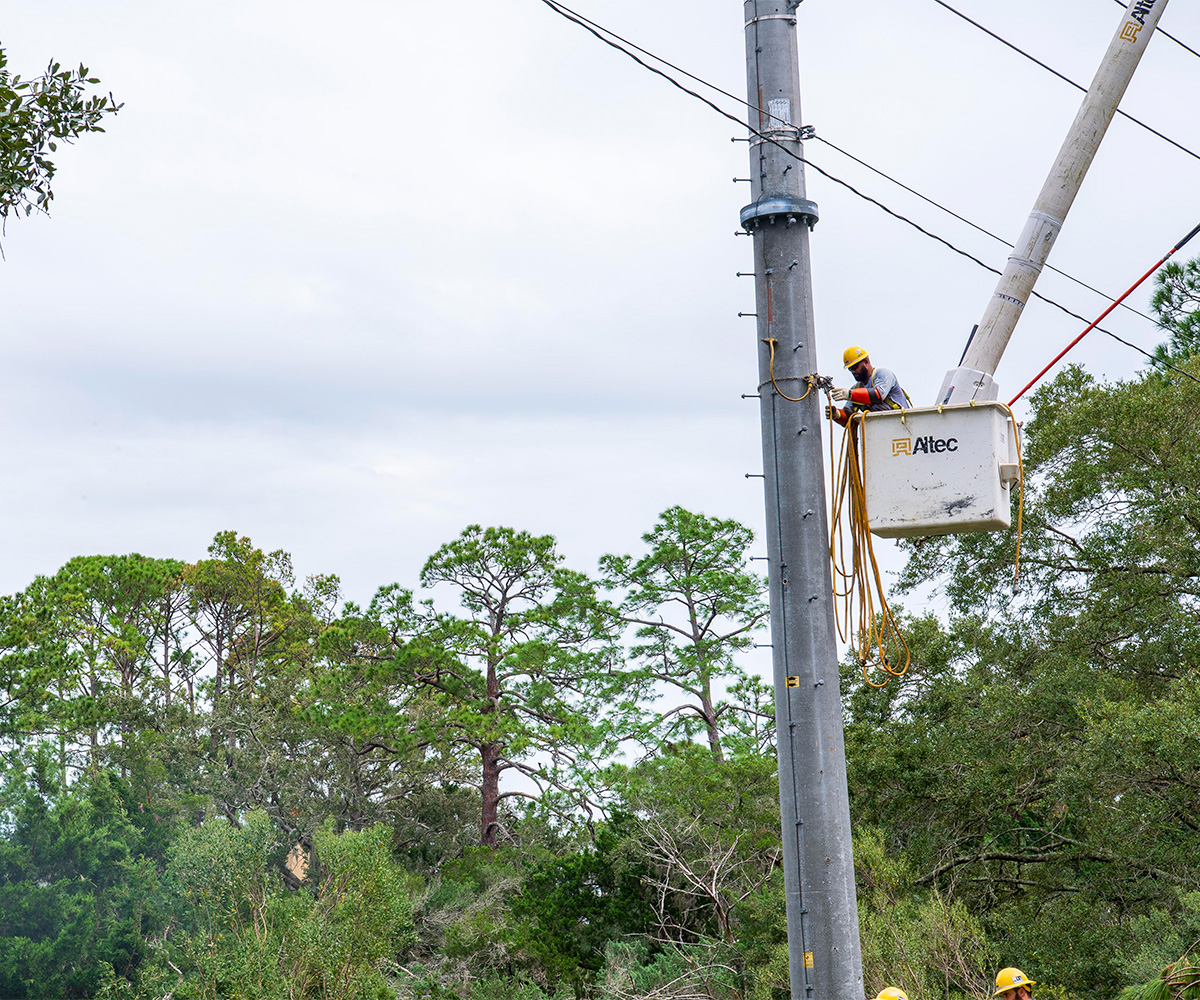
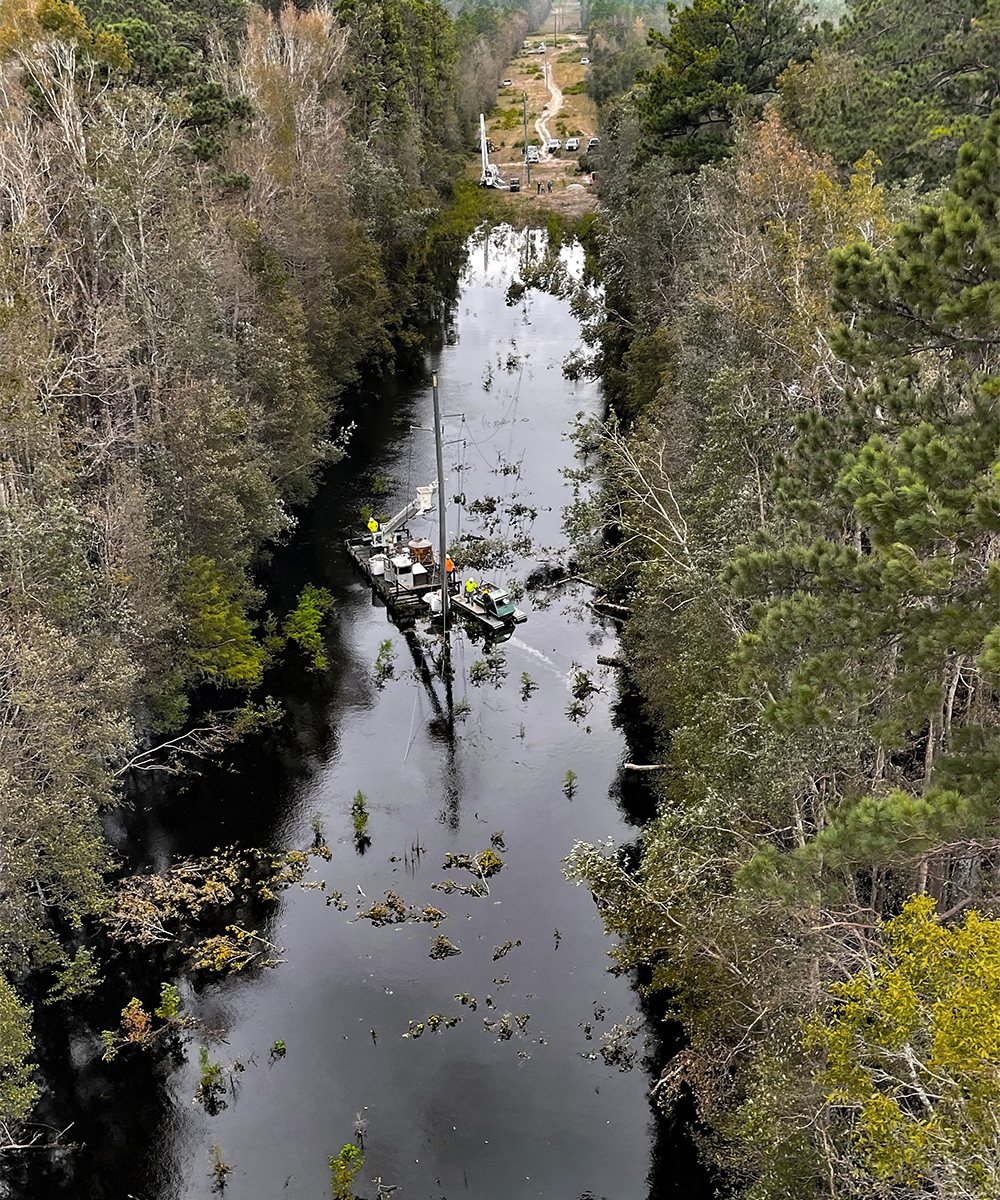
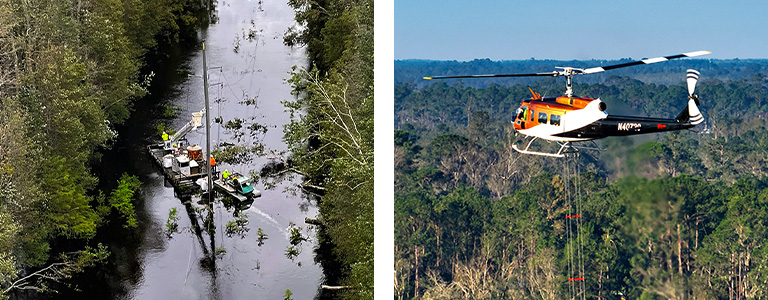
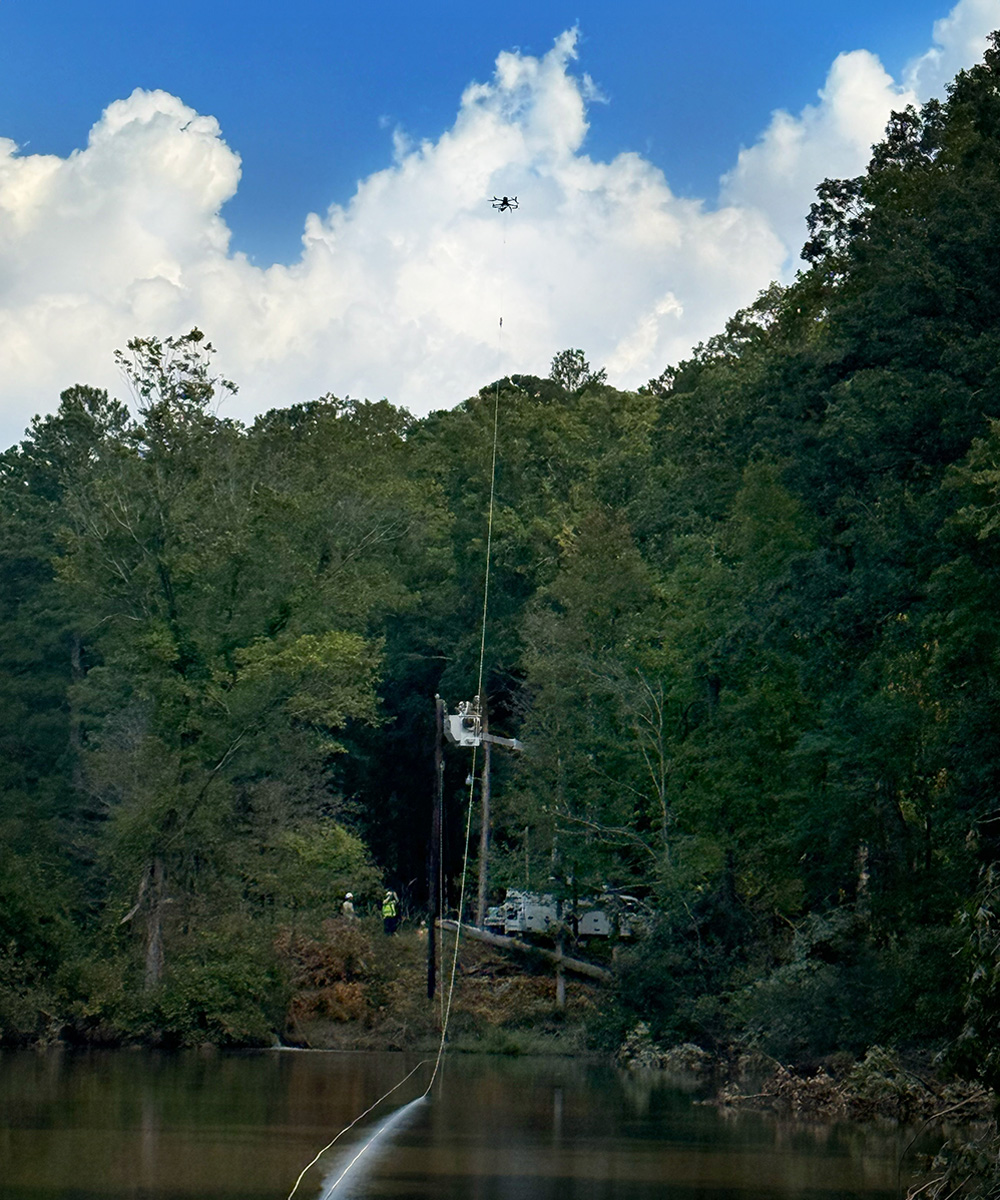
- New technologies, along with helicopters, boats, and unmanned aerial vehicles allowed crews to access lines in hard-to-reach areas to restore power for thousands of customers in the storm’s hardest-hit areas.
Full Timeline of Events
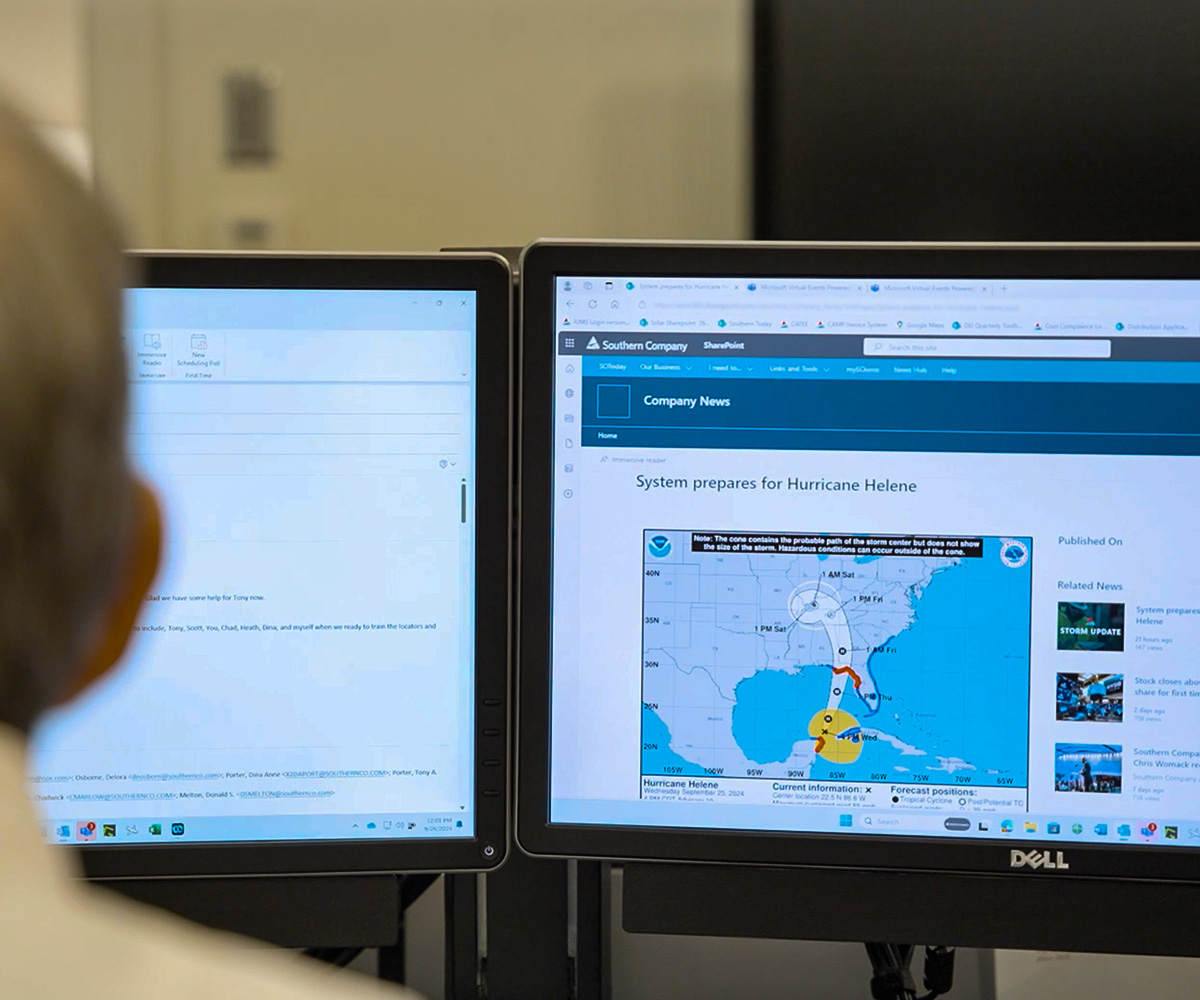
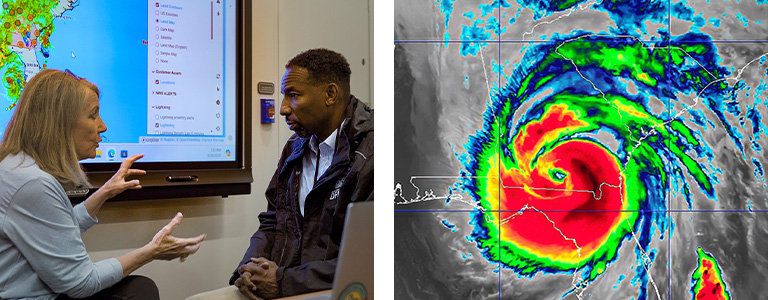
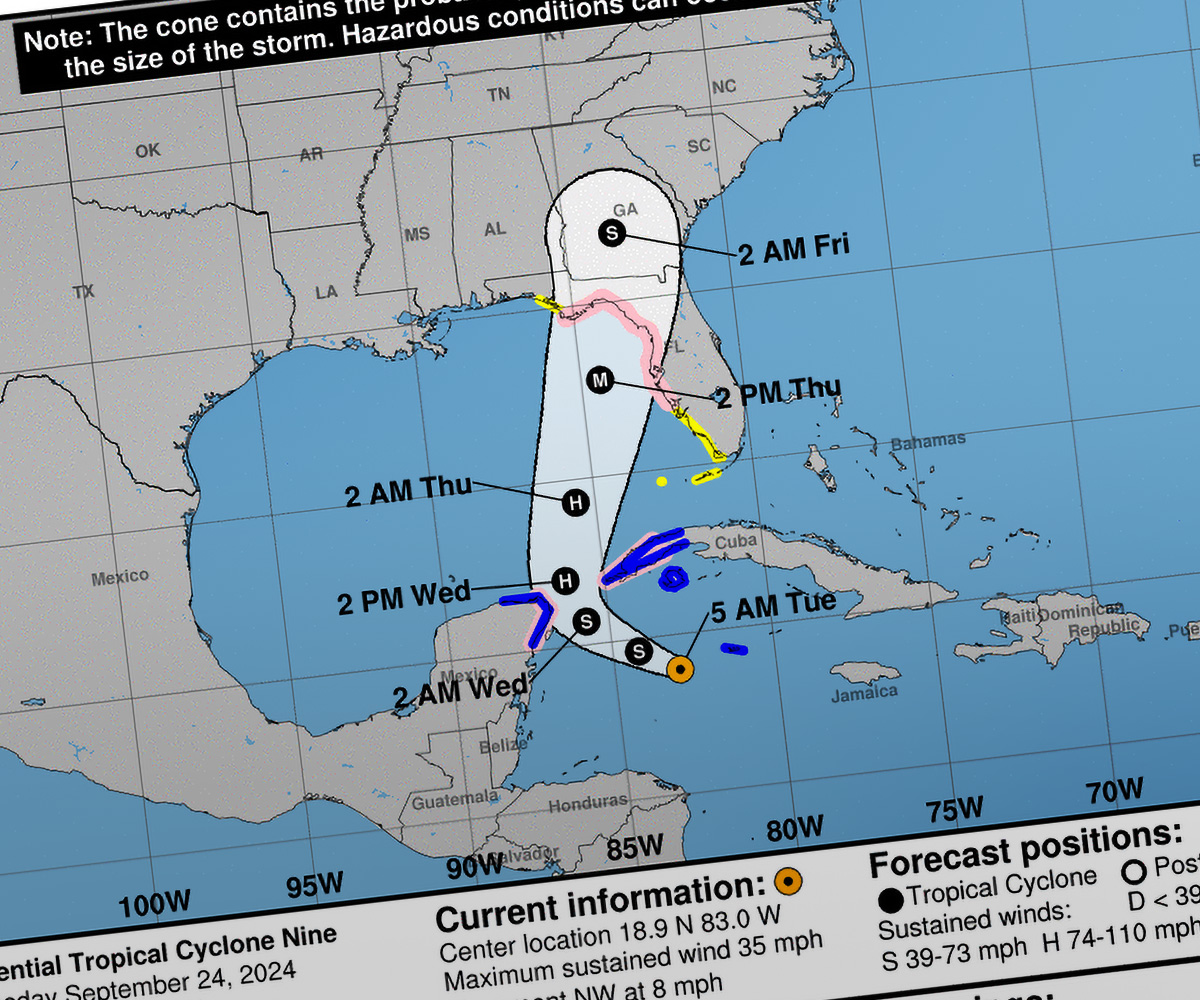
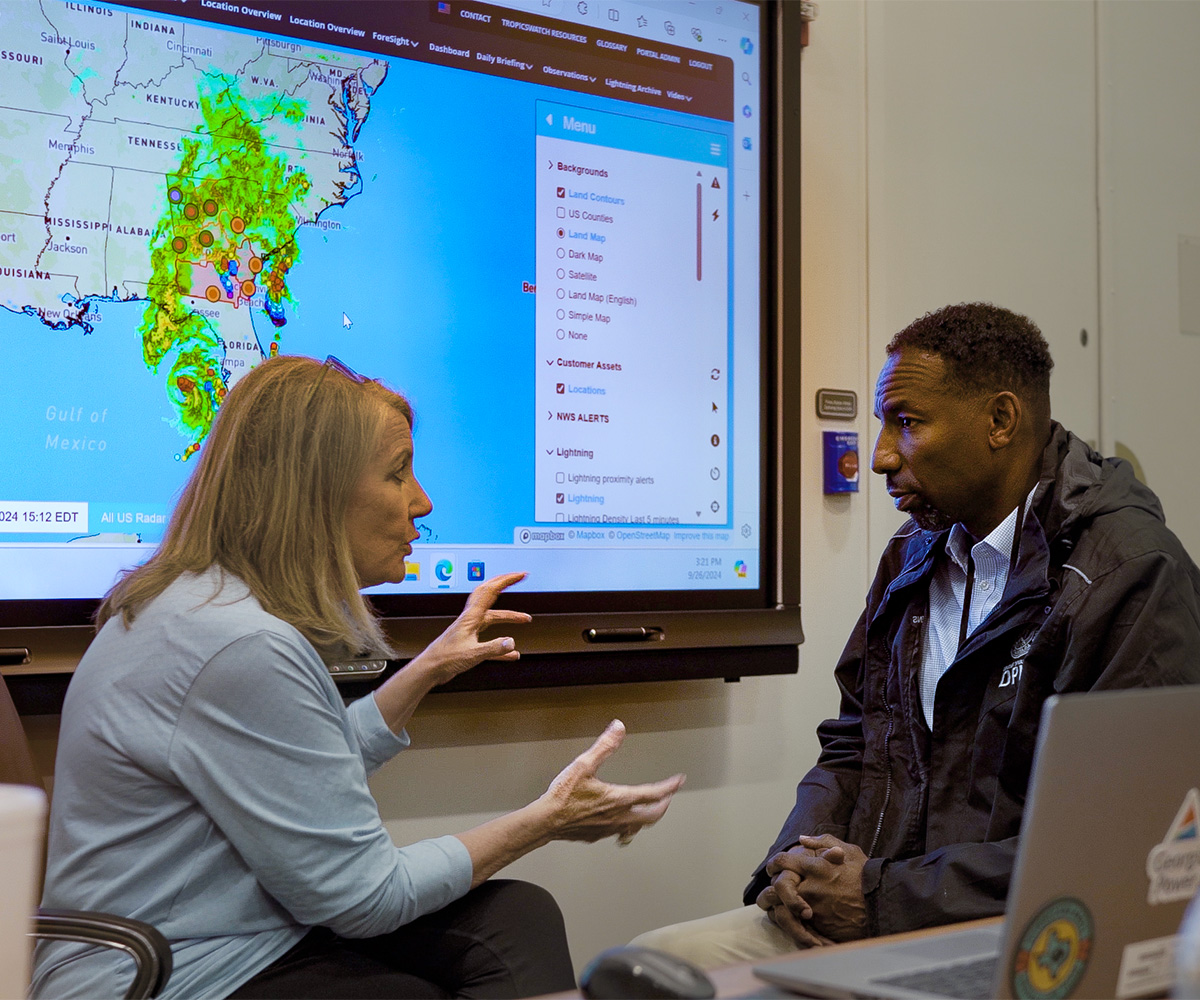
Our Storm Center team began monitoring Helene from the moment it formed.
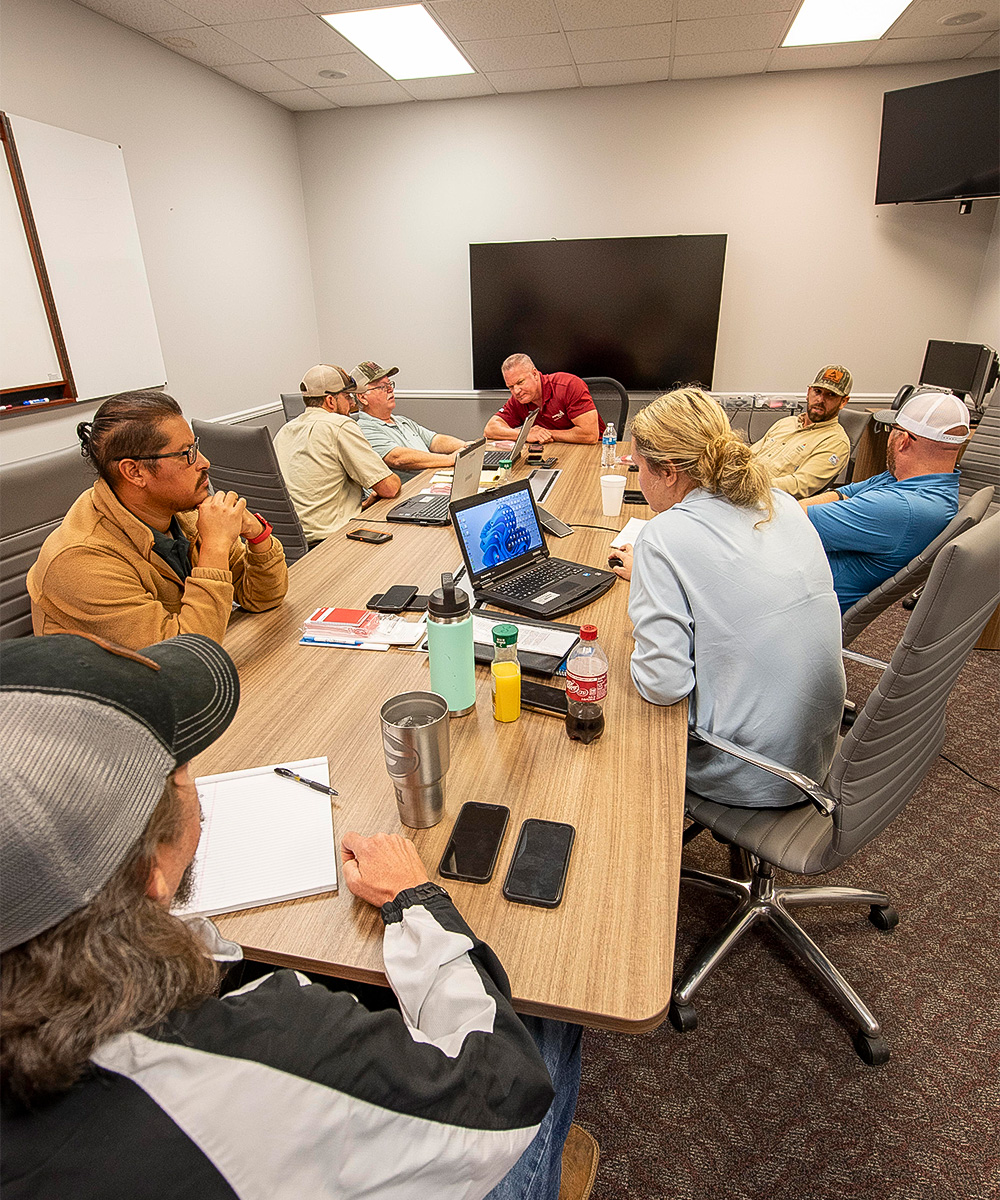
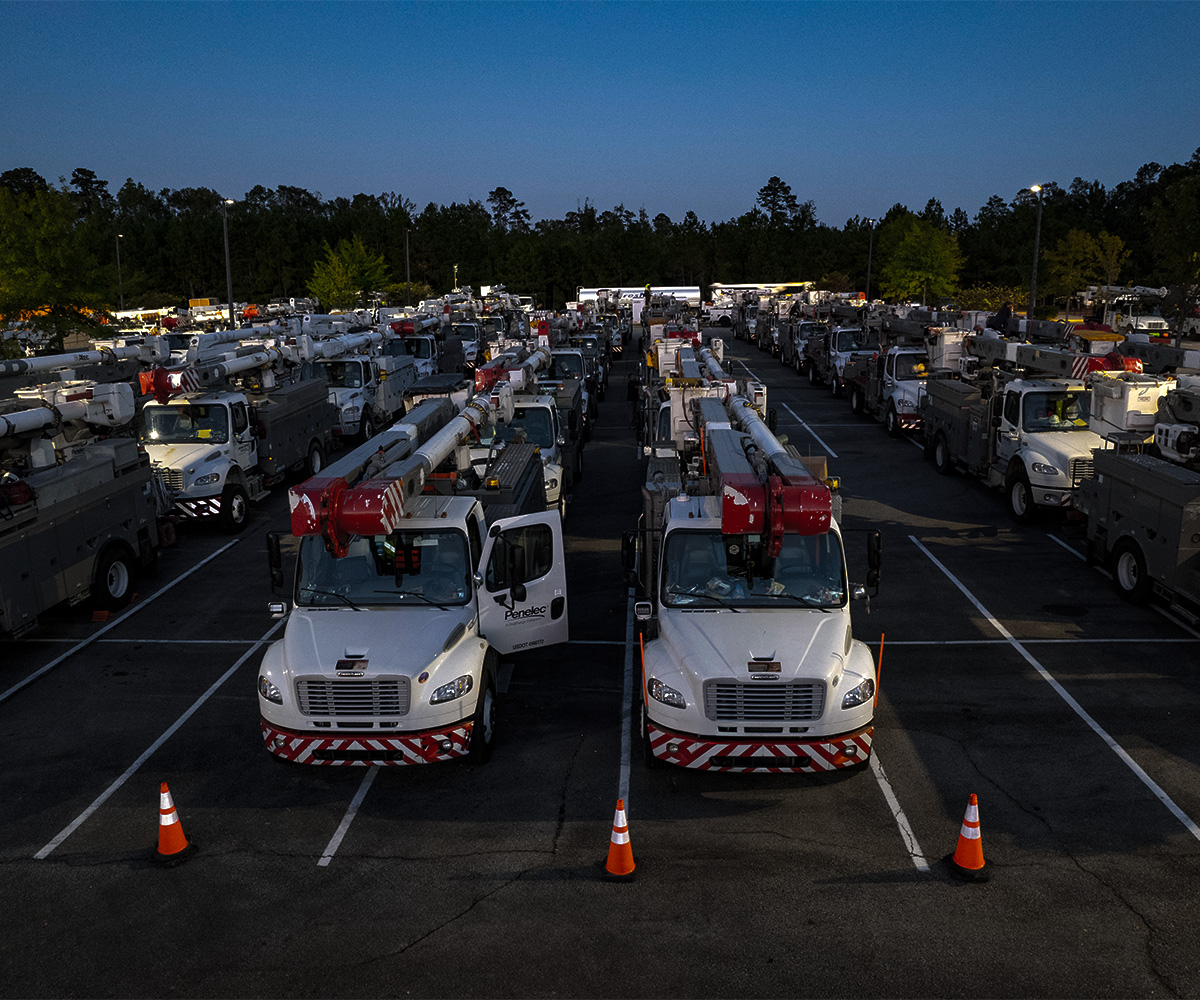
By the time the storm reached hurricane status, a plan was in place for what we knew would likely be an extended restoration effort. Crews were pre-staged around the state, and requests were put in for support from our sister companies, Mississippi Power and Alabama Power, contract crews, and our mutual-aid partner companies.
As Helene breached the border of South Georgia early Friday morning, we were ready for what would become the largest restoration operation in our company's 140 year history.

No Calm Before the Storm
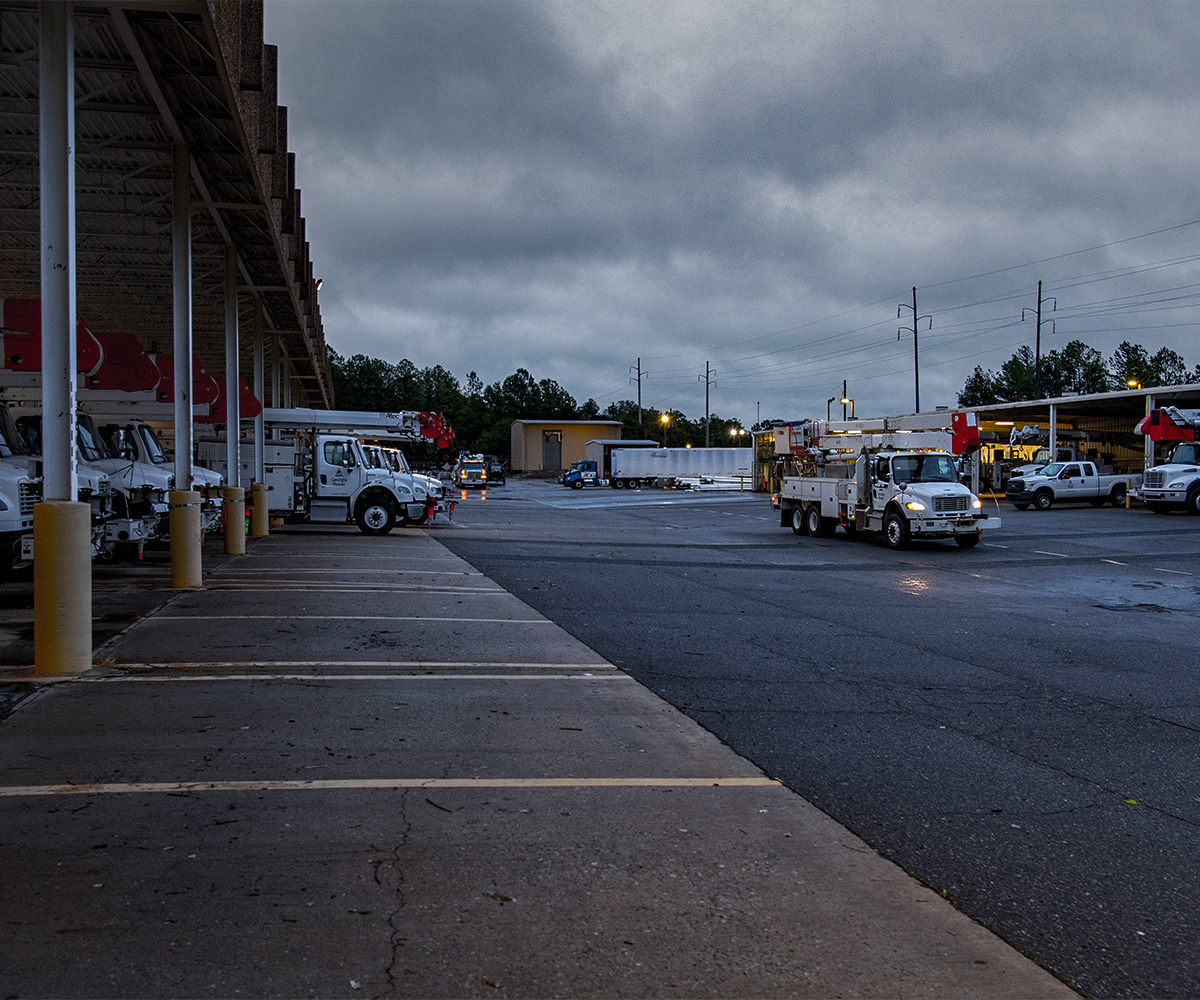
Over 10,000 personnel, from troublemen and lineworkers to vegetation management crews, damage assessment, and other support teams deployed with resources staged and prepared to respond throughout the state as soon as the storm had passed.
Additional crews from over 35 partner organizations from 11 states as far away as Texas, Oklahoma, Indiana, Pennsylvania and New Jersey came to aid in the restoration efforts.
Thursday Evening – Helene Makes Landfall
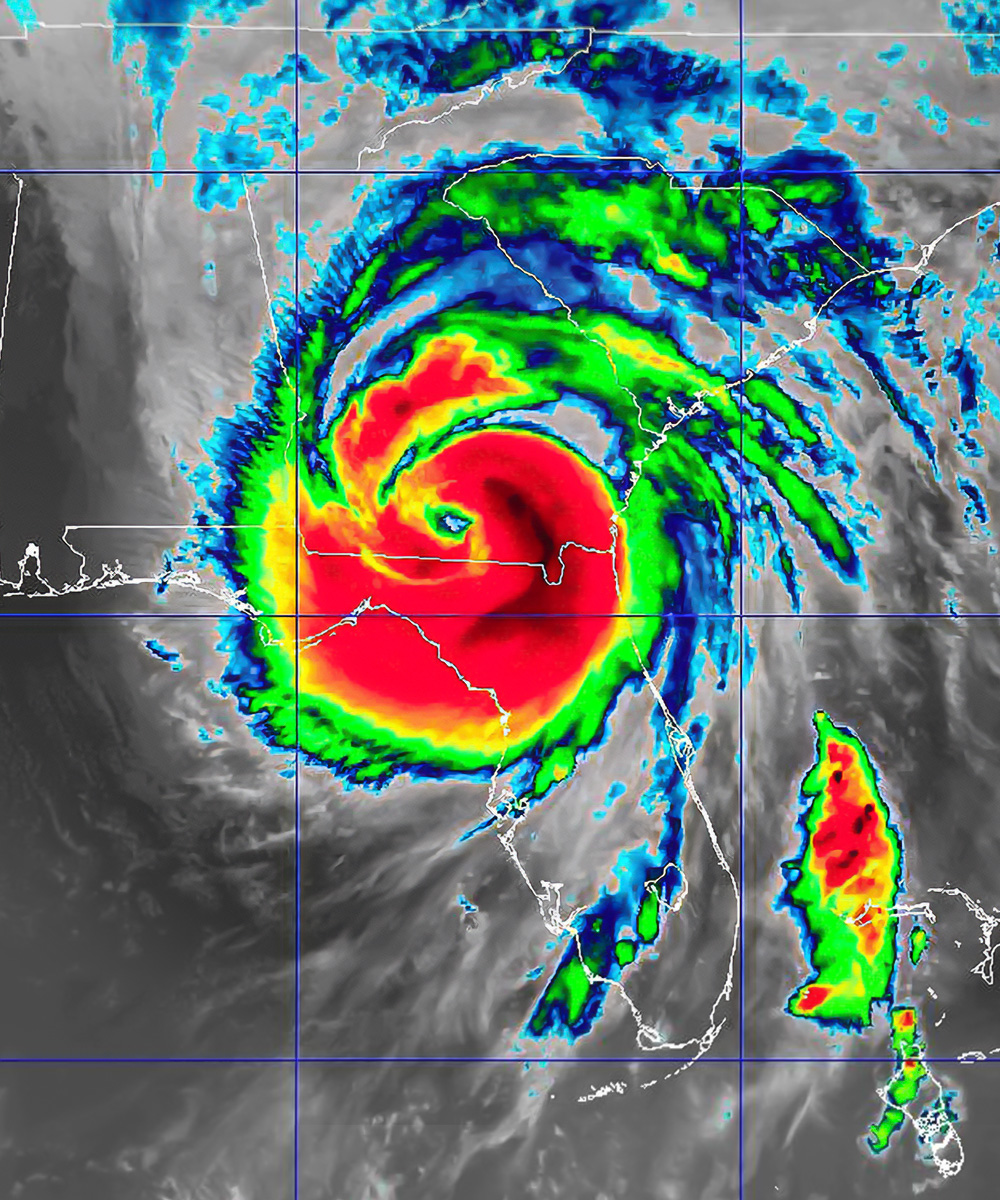
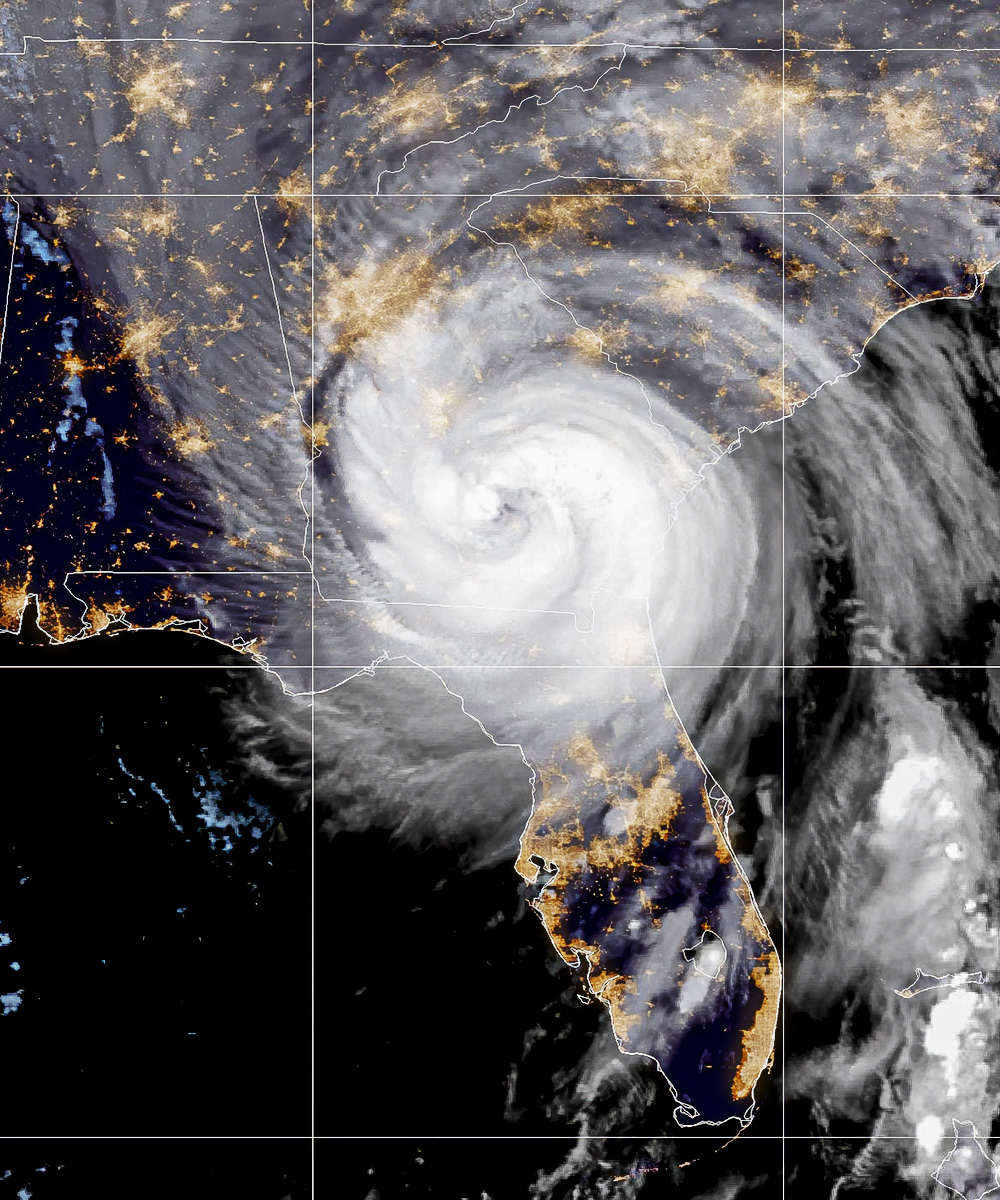
Hurricane Helene made landfall at 11:10 PM on Thursday 9/26 as a Category 4 hurricane and entered South Georgia near Valdosta, bringing 80-100 mph winds, heavy rain, and severe damage.
Despite the widespread damage and ongoing dangerous conditions, more than 100,000 customers had power rerouted through Smart Grid technology—circumventing line-breaks and allowing crews to concentrate immediately on the most affected areas.


Friday – Initial Assessments
Throughout the night, 755 Damage Assessment Teams worked to identify and assess storm damage and help direct restoration efforts.
Due to Helene’s incredible destruction, nearly 100% of customers in the coastal and eastern regions of the state were without power.
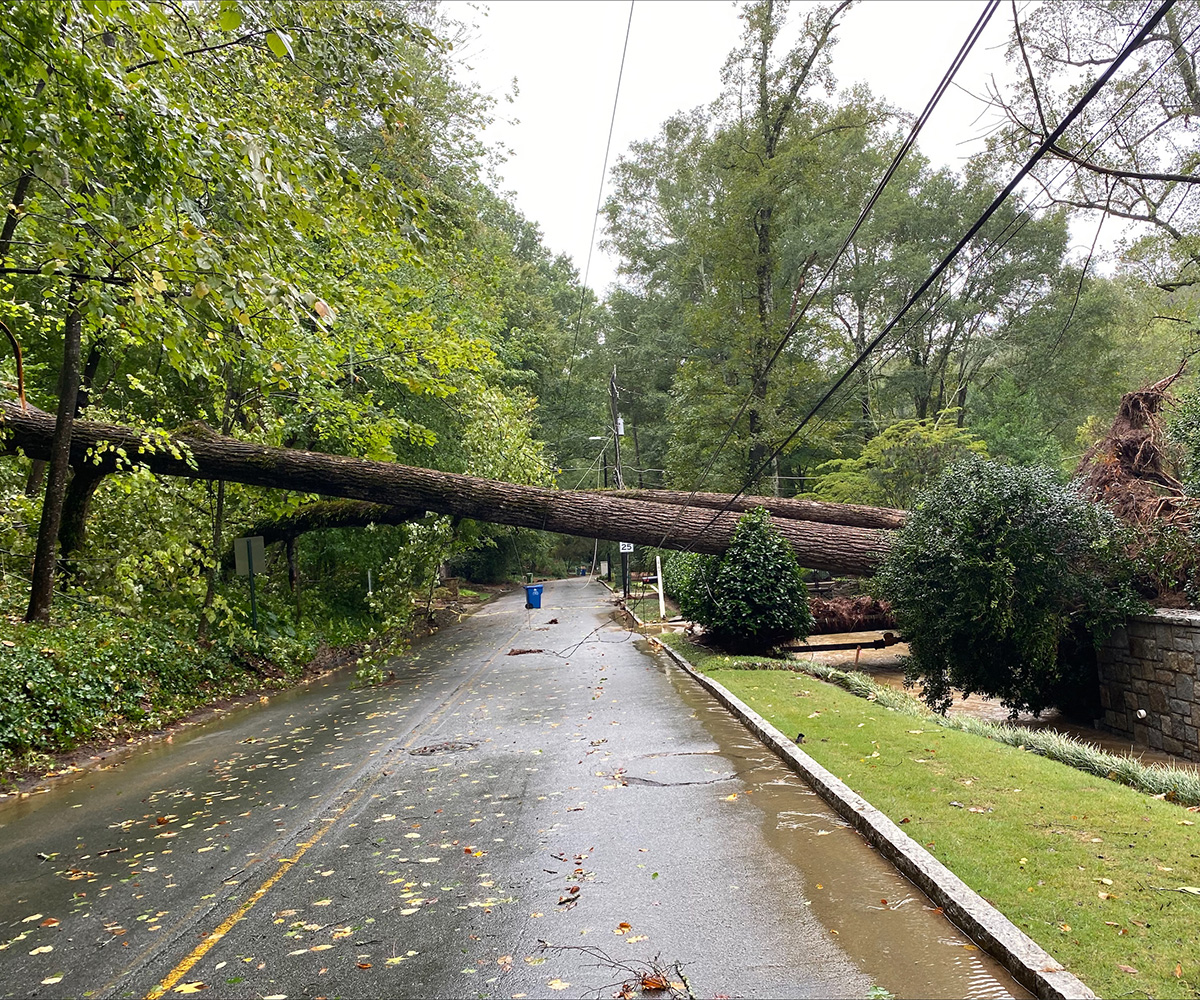
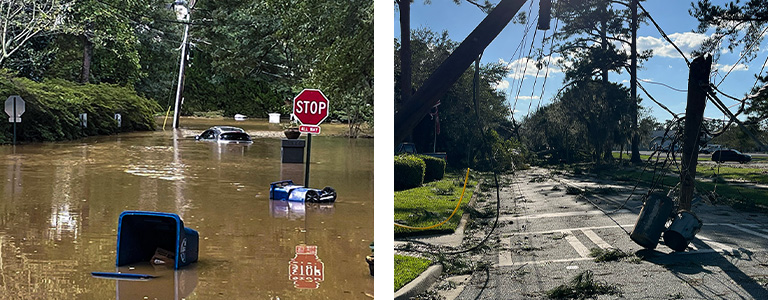
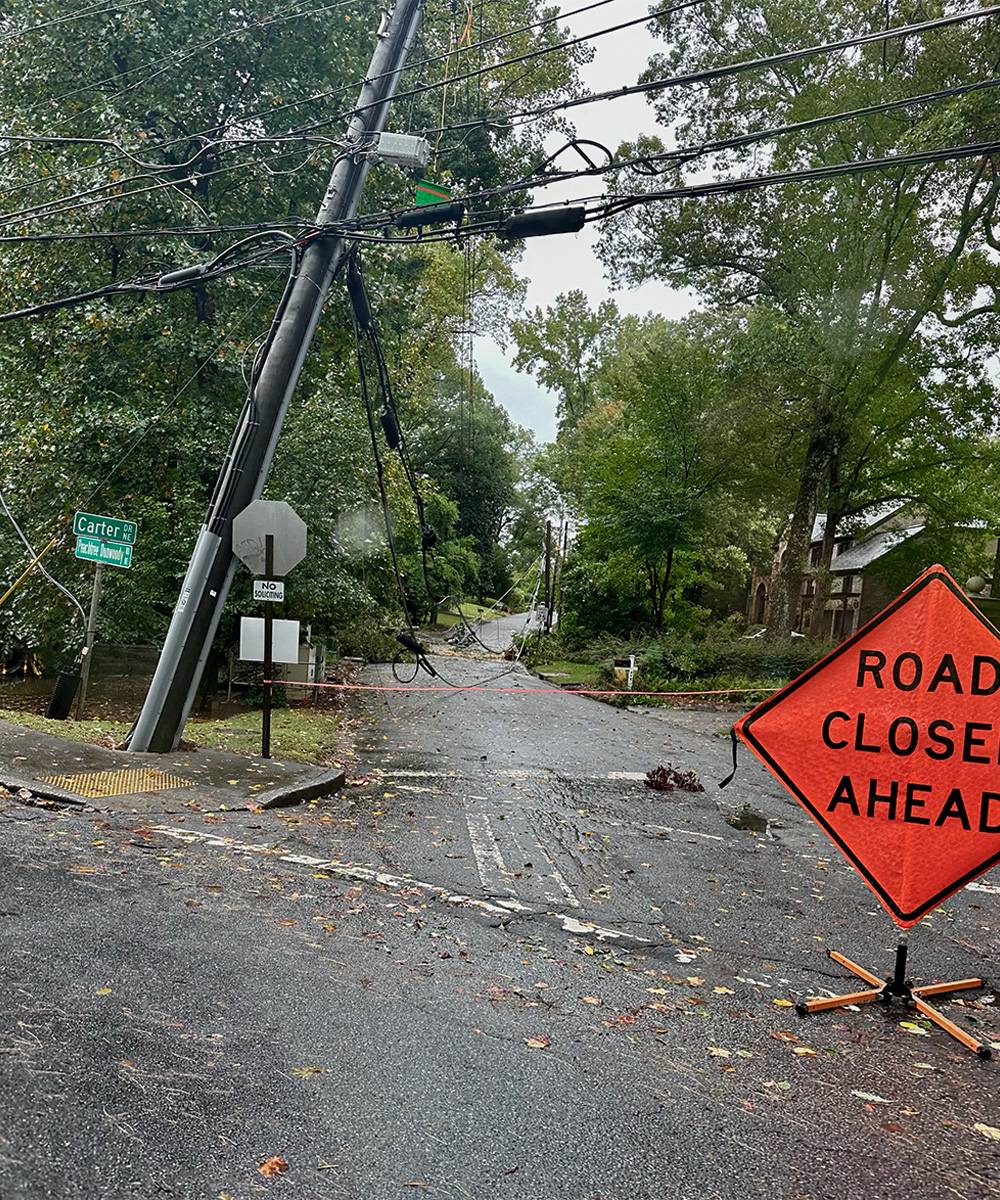
As damage assessment progressed, teams on the ground determined that 8,000+ power poles, 1,000+ miles of wire, and 1,500+ transformers would need to be repaired or replaced, and more than 3,000 trees on power lines needed to be removed or addressed to restore power.
The First 24 Hours
By Friday evening, more than 250,000 people had power restored, with priority being given to vital community services like hospitals, emergency and public safety services, and water and sewage stations.
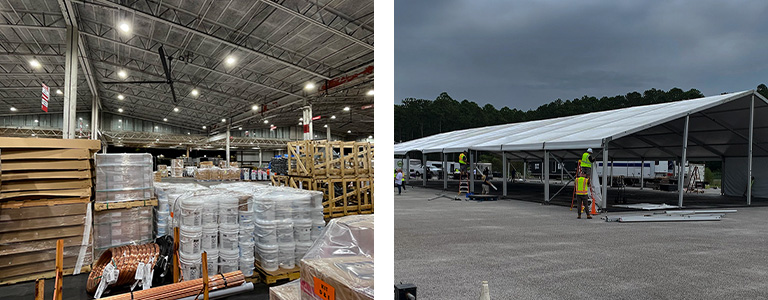
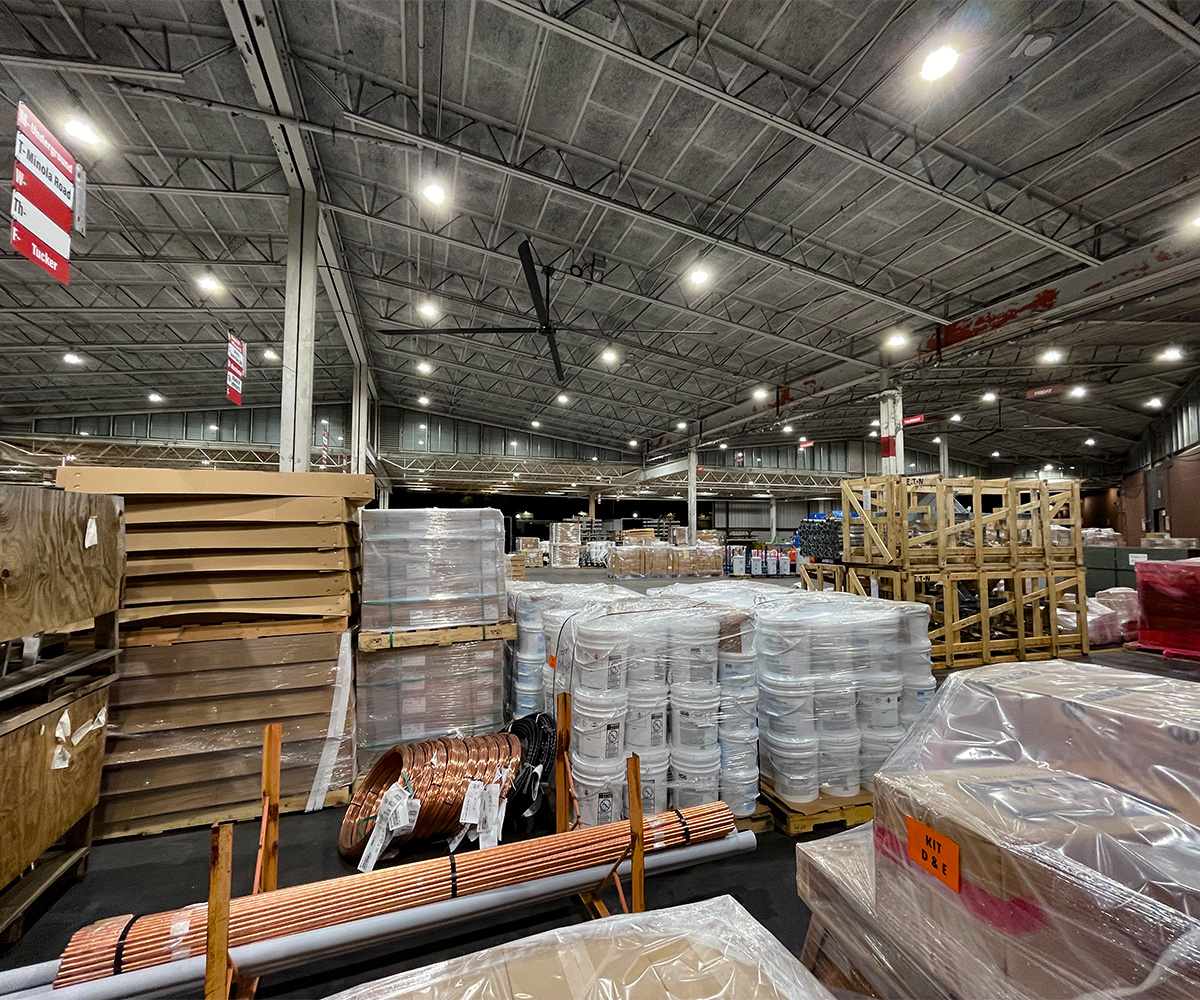
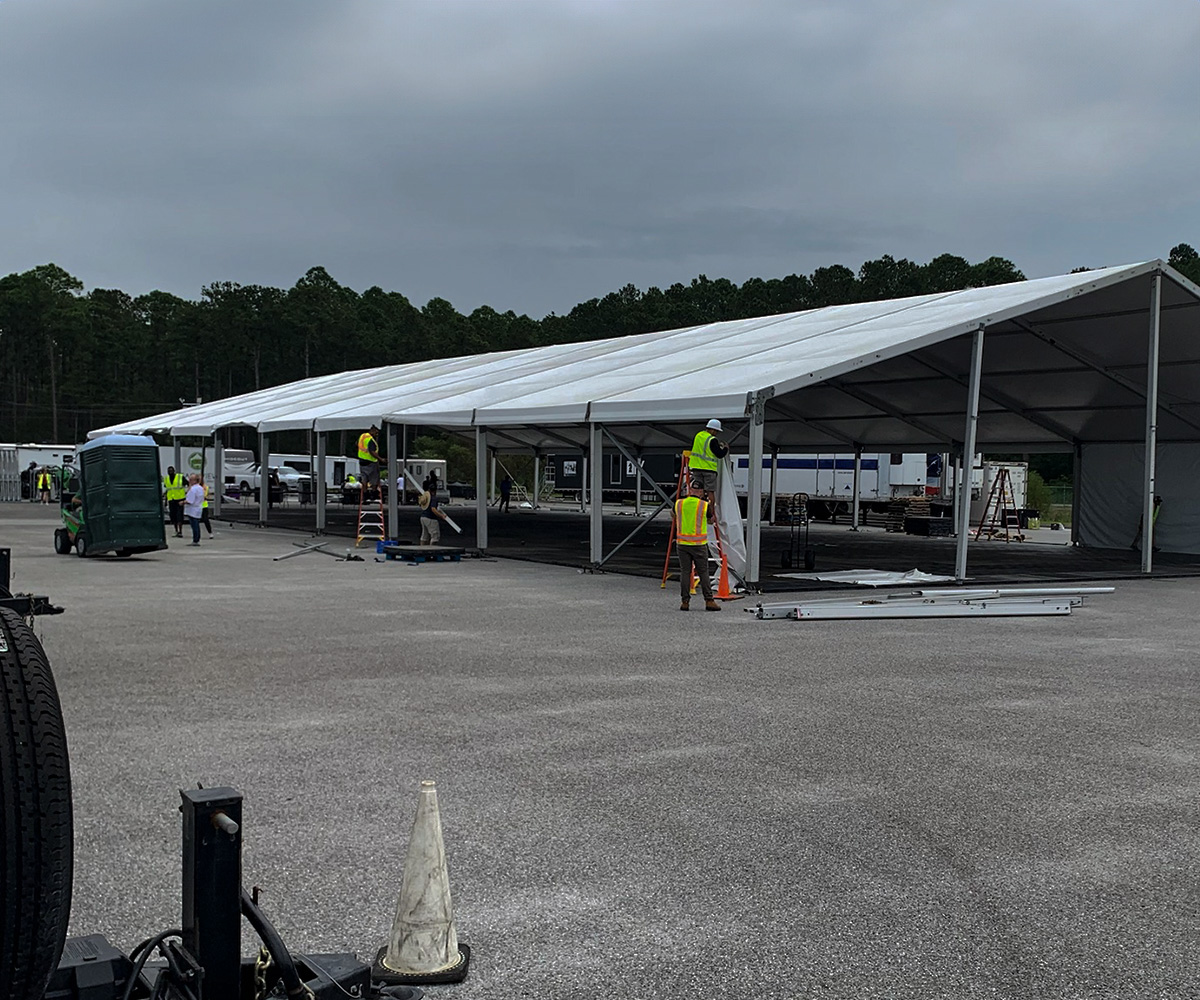
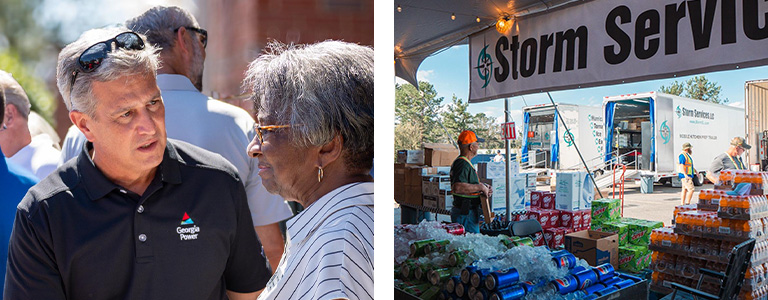
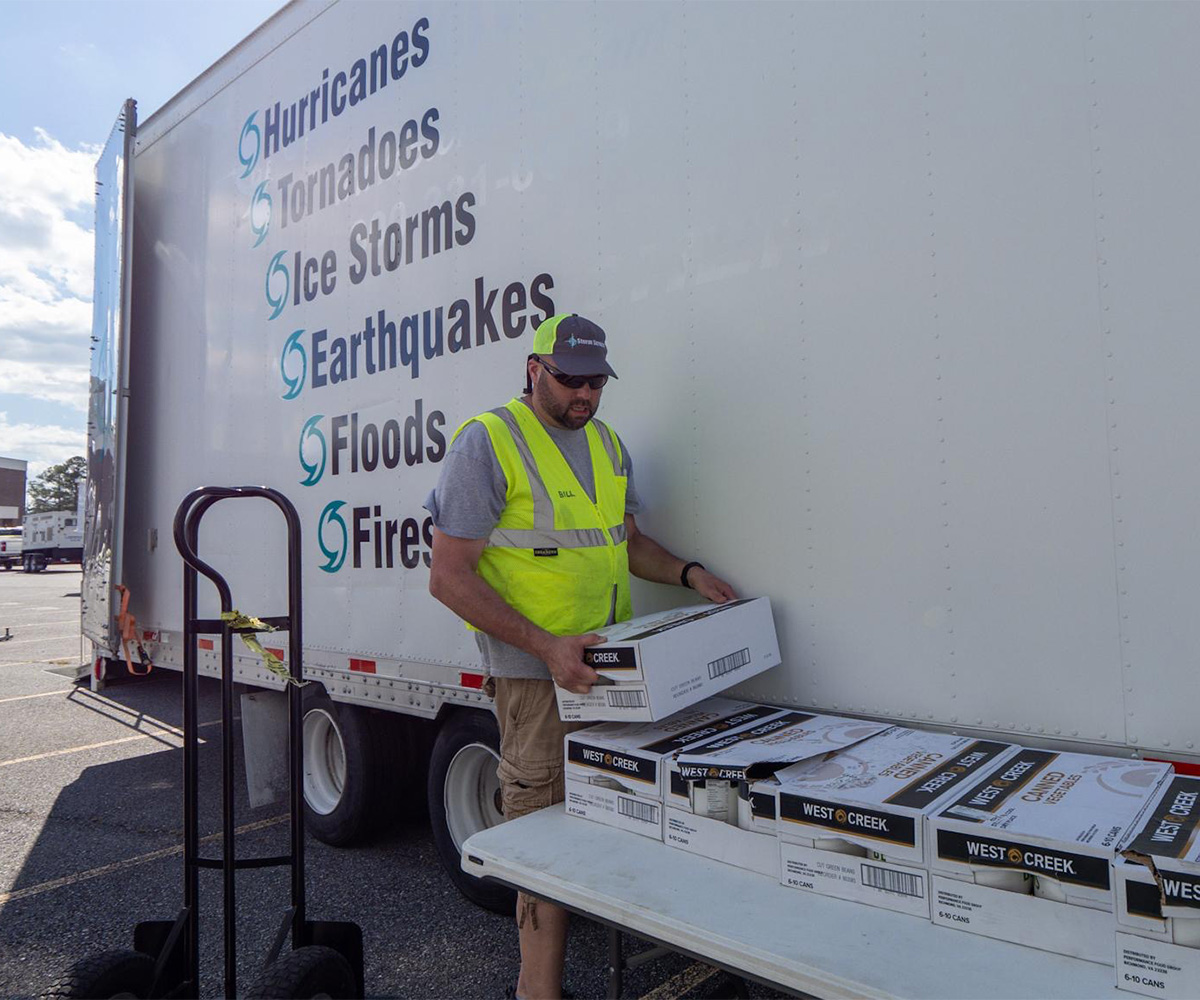
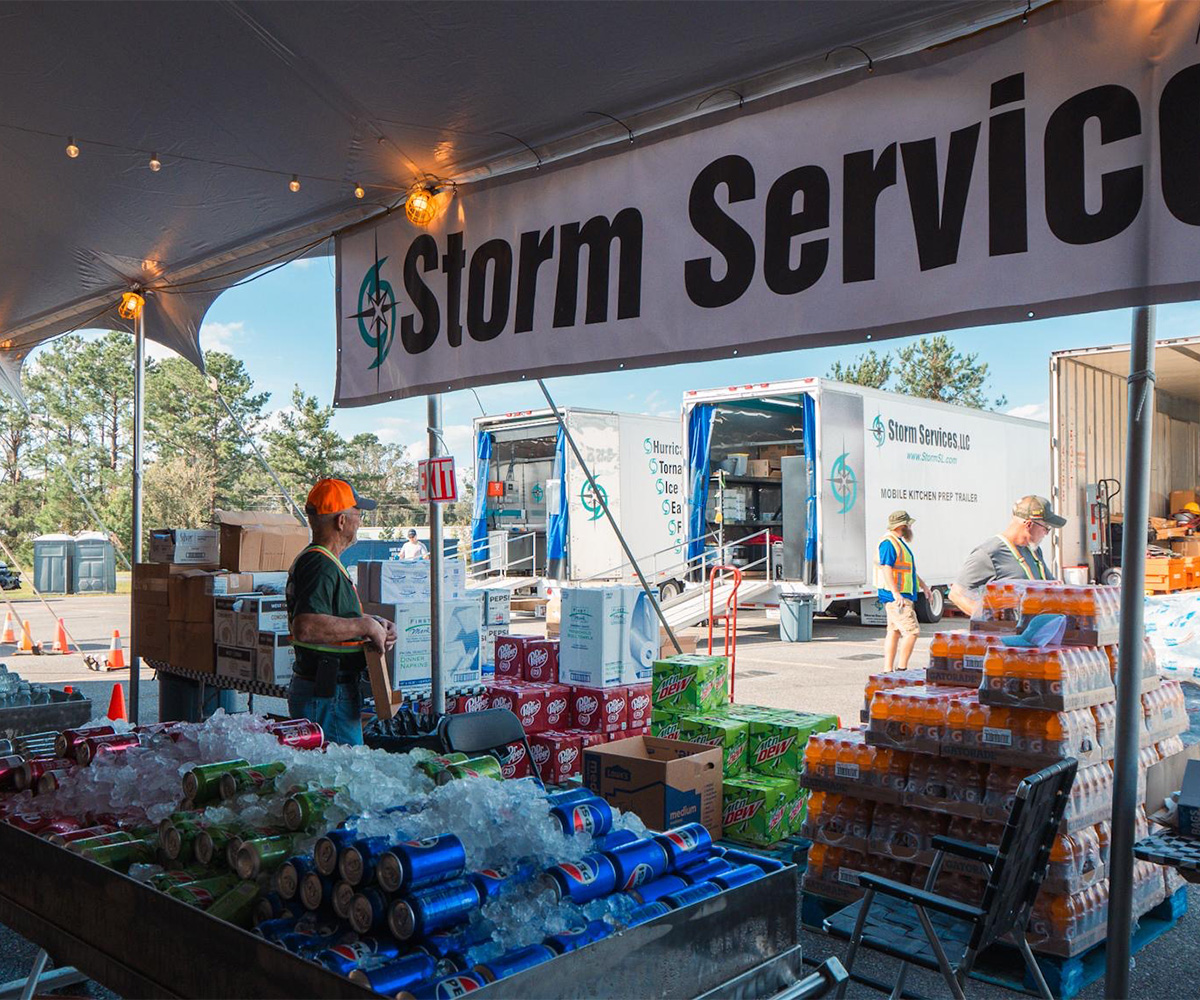
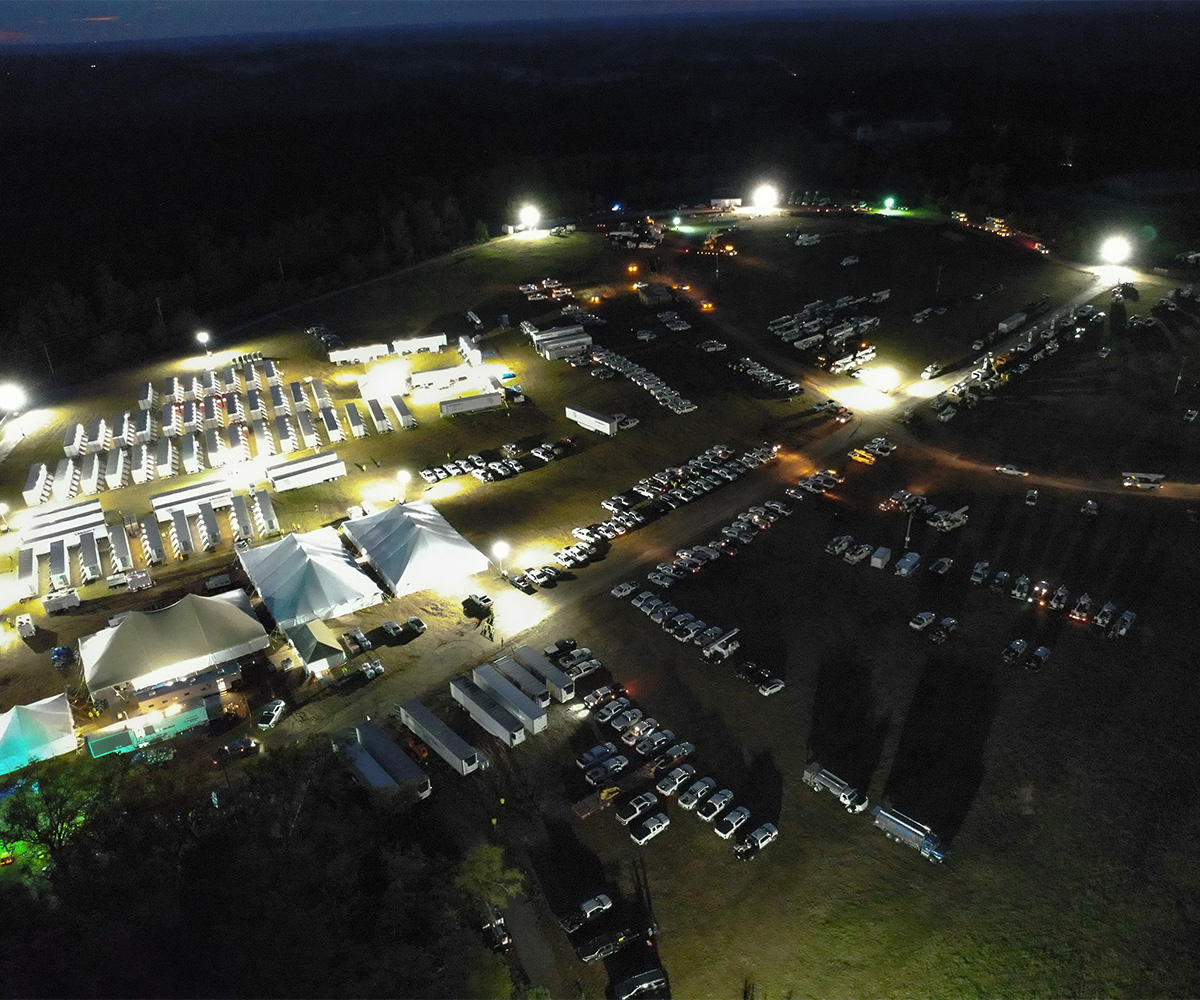
Meanwhile, as contractors and off-system support poured into the state, the Logistics and Supply Chain teams were working hard to stand up material laydown yards and basecamps with poles and other supplies, as well as beds, showers and food for the thousands of personnel in the field.





Saturday – Surveying Remote Lines
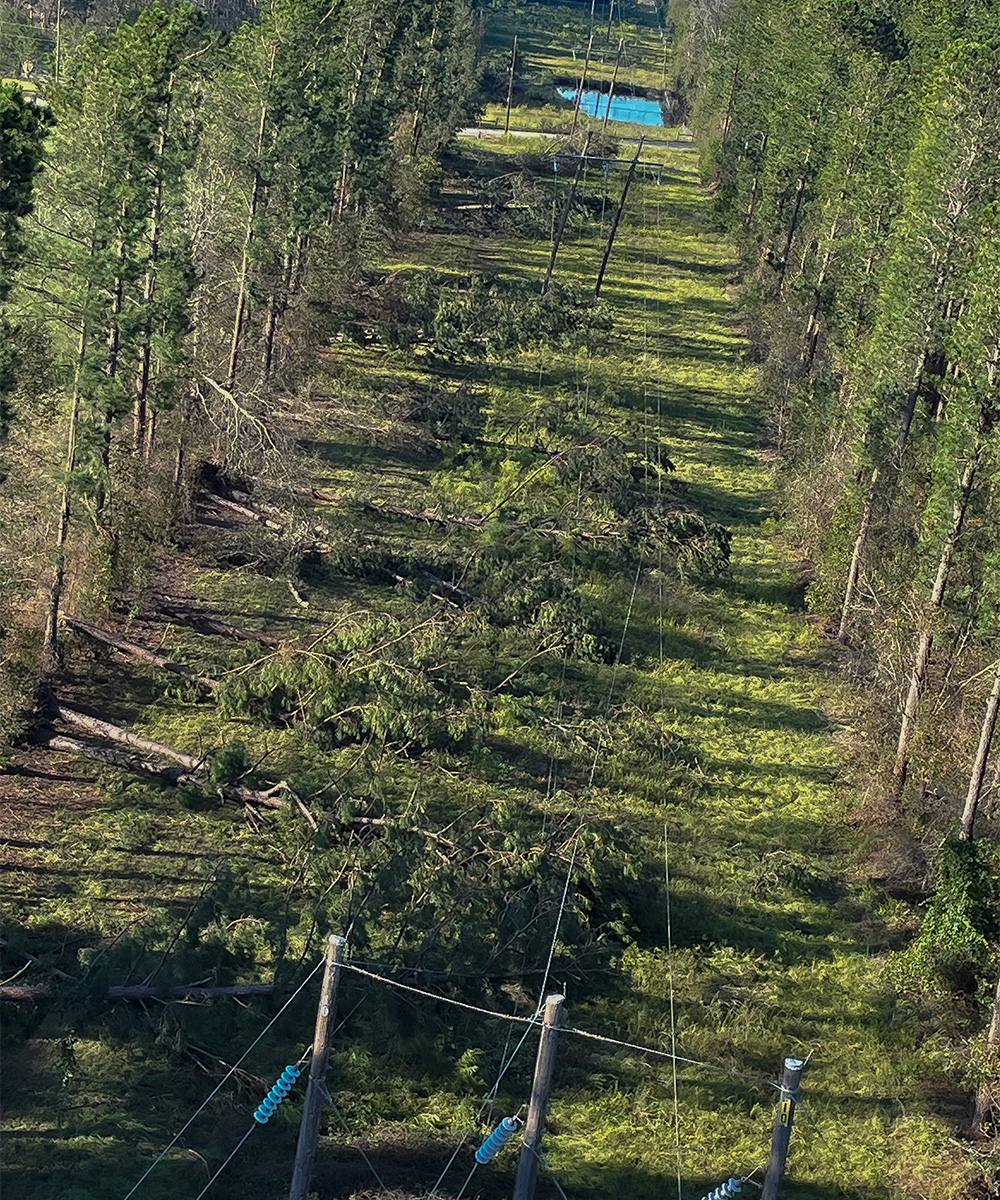
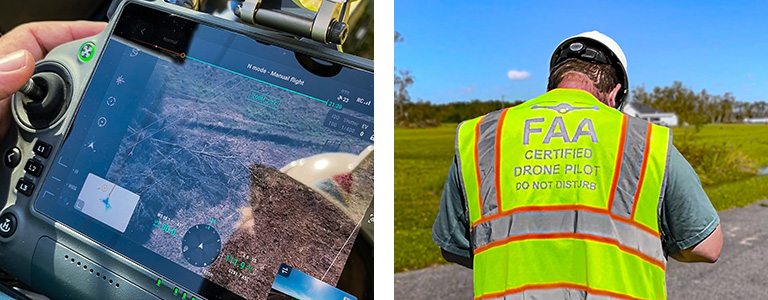
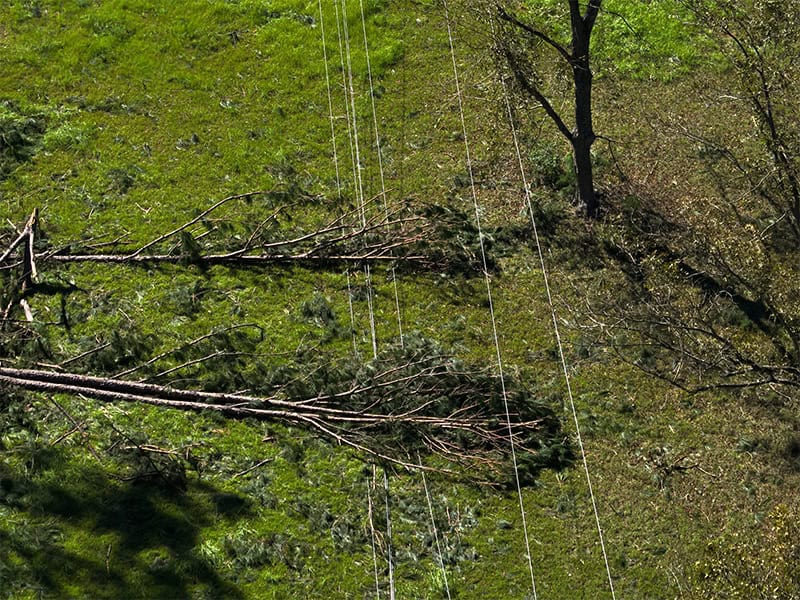
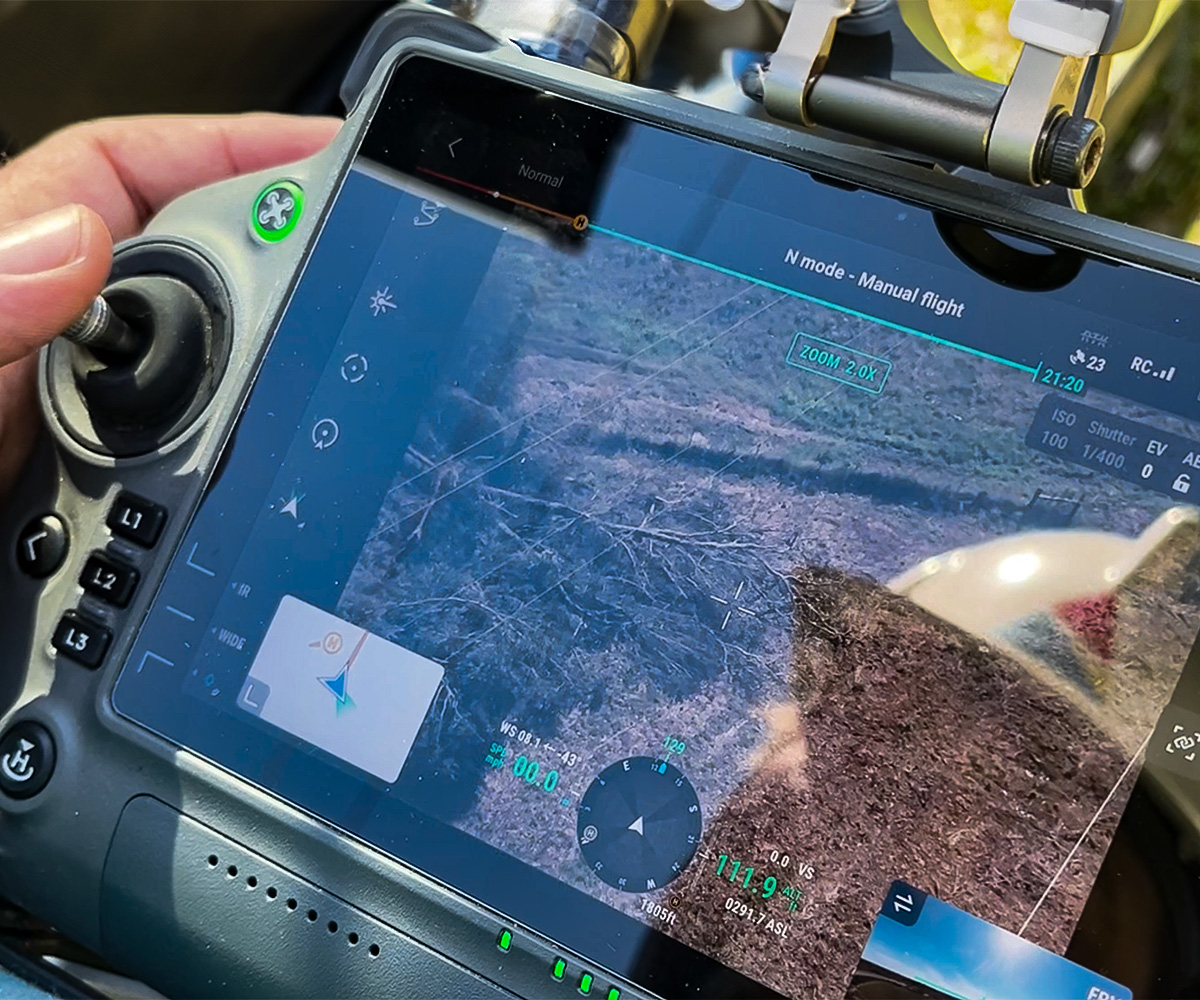
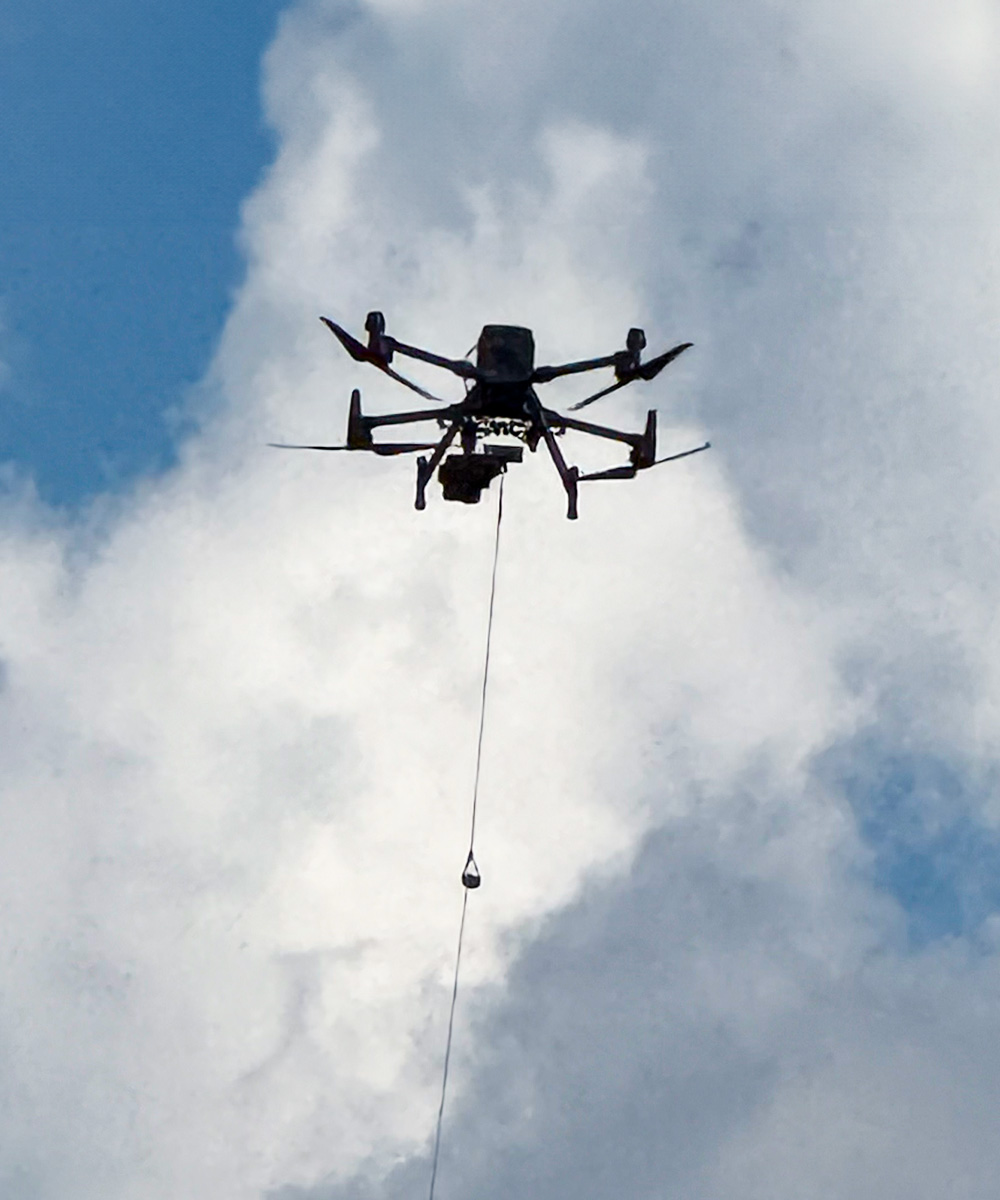
By Saturday morning, the Aerial Services team received an FAA waiver to fly drones beyond visual line of sight to aid in evaluating transmission line damage in the hardest hit areas.
This allowed them to complete over 100 aerial patrols surveying over 2,200 miles, saving the team dozens of hours of crucial assessment time.

Sunday – Concentrating Efforts
By Sunday evening, 131 transmission lines, 3 substations, and over 744,000 customers had been completely restored.
By sunrise, the number of front-line personnel had now grown to 15,000+ with most crews concentrating on the three hardest-hit areas of the state: Valdosta, Savannah, and Augusta.


Everything by Hand
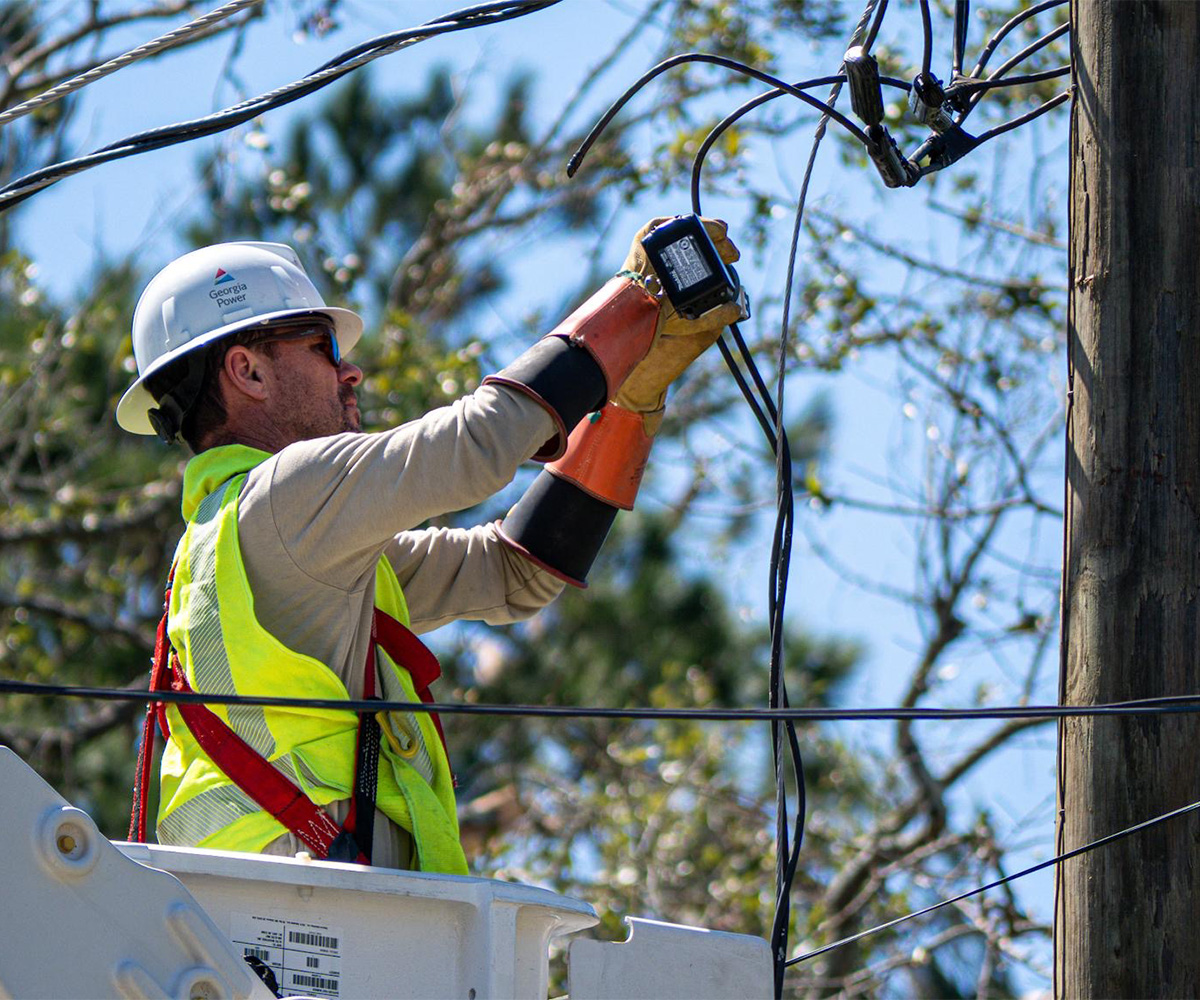
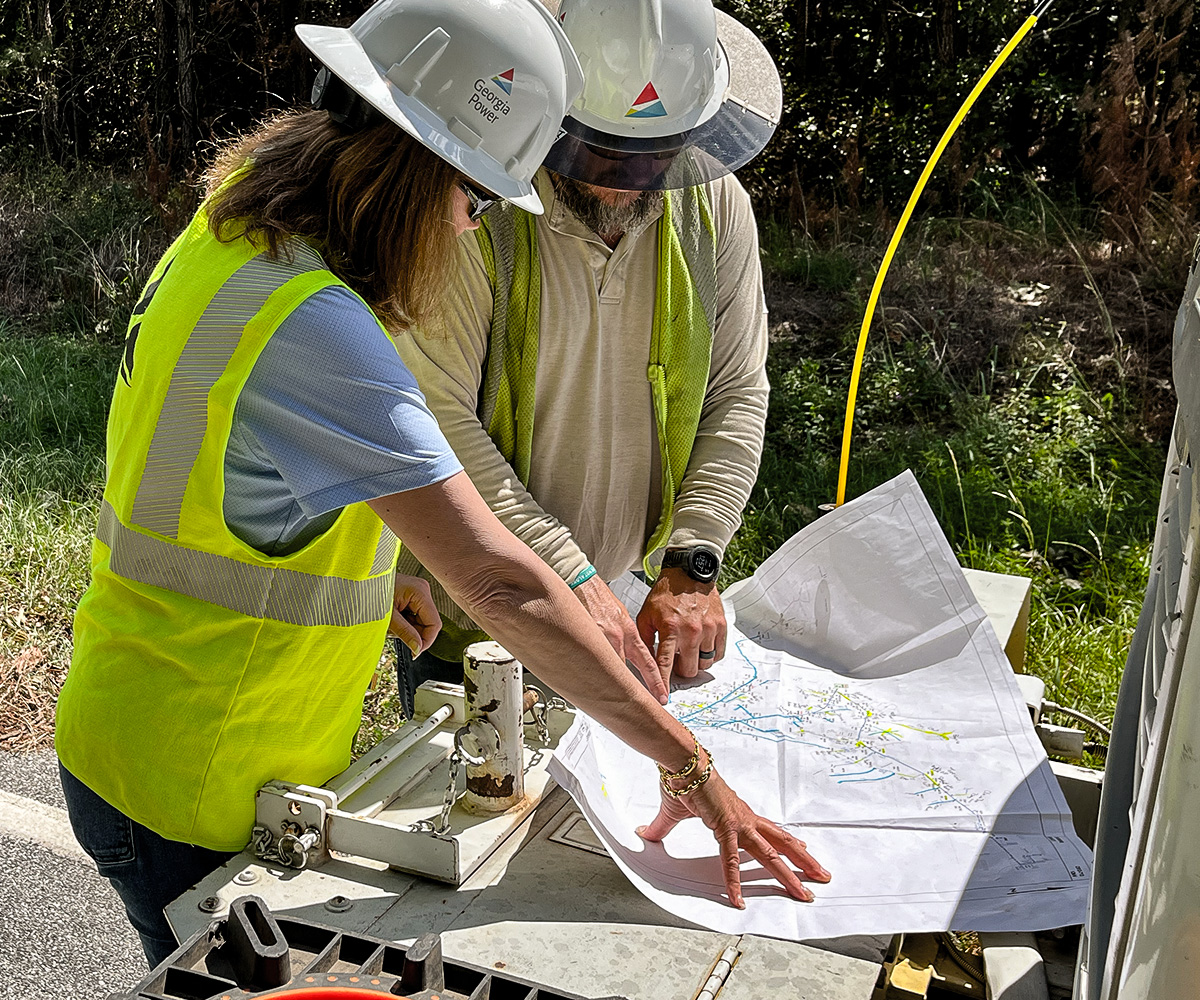
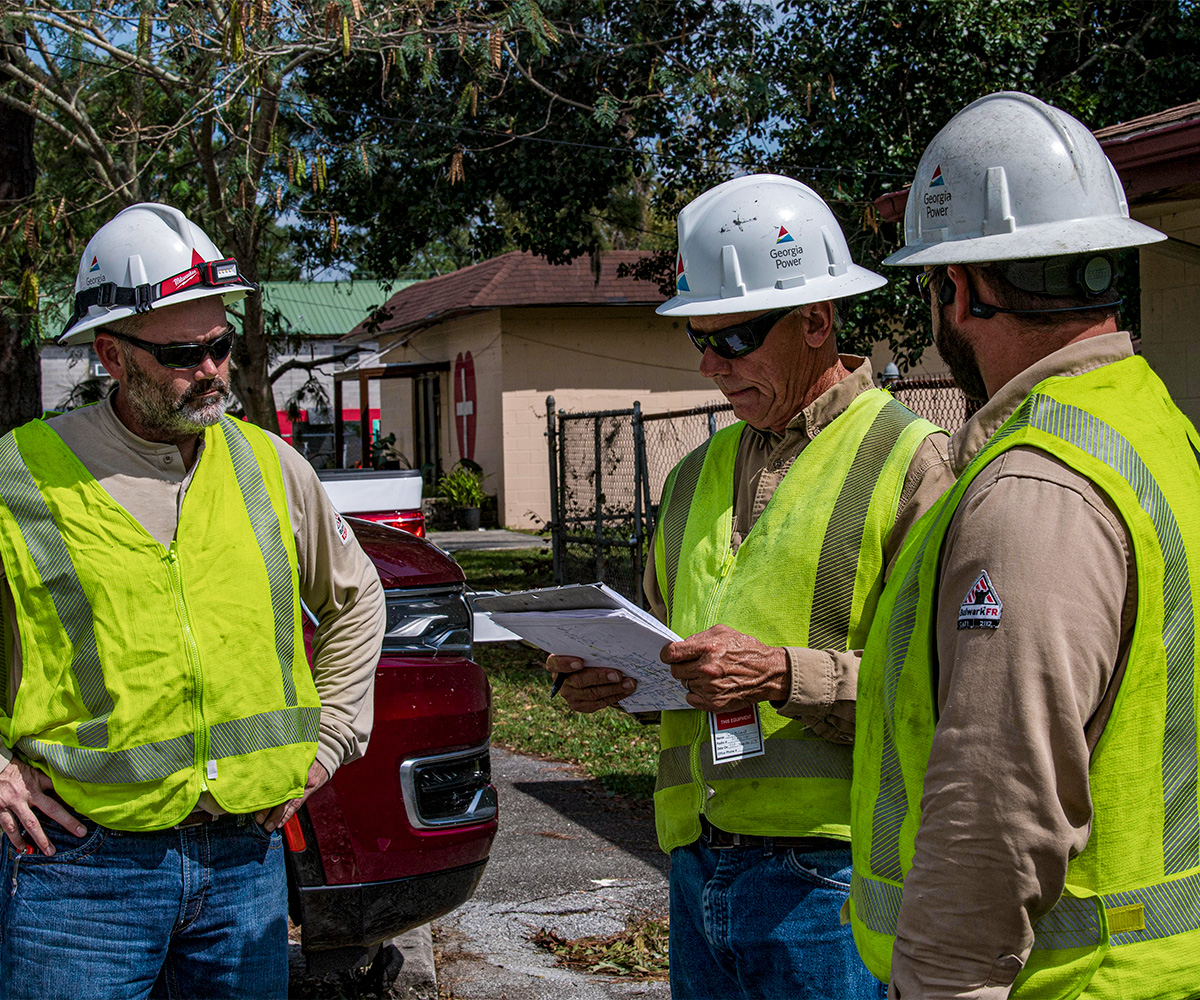
In rural areas like Stillmore, Georgia, cell towers and telecommunications infrastructure were destroyed, leaving much of the region without cellular service or access to the internet. Damage Assessment teams were forced to communicate by hand-marking affected areas on printed maps, highlighting the assessed areas as they went along.
Overcoming Destruction
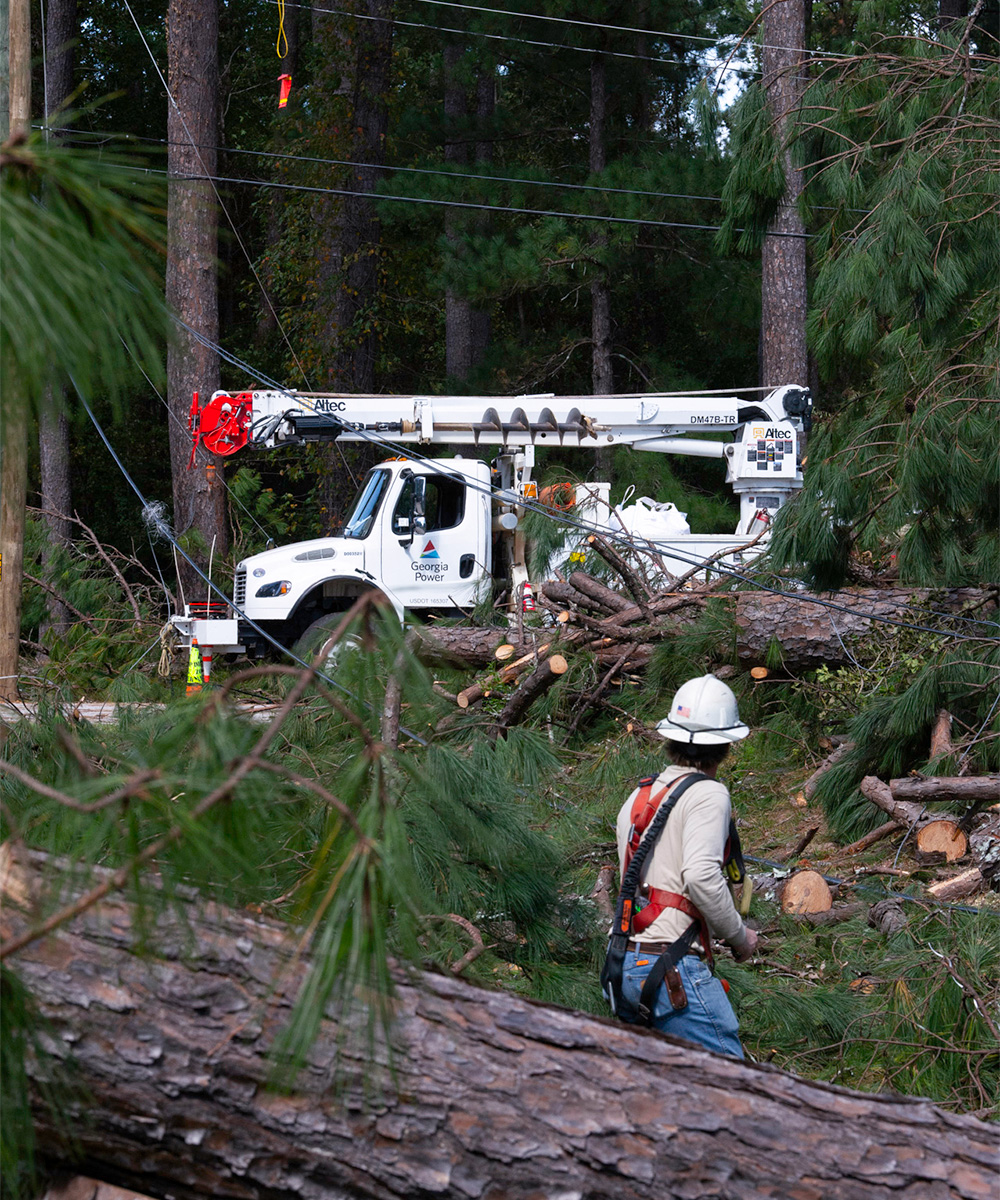
The Augusta area saw the most severe damage, with over 2,000 trees on power lines, over 1,000 damaged transformers, and over 10,000 spans of wire down. There were also nearly 4,000 broken poles, and one 2.5 mile stretch of road near the heart of Augusta was left with only three poles still standing.
At one site, a Georgia Power tree removal crew freed a couple whose driveway was so choked with downed trees that they had been trapped since the beginning on the storm.


Boots on the Ground, Birds in the Air
Despite ongoing flood warnings in Macon and Valdosta, crews continued to make significant progress in rebuilding grid infrastructure after Helene, returning power to more than 80% of customers impacted by the storm.
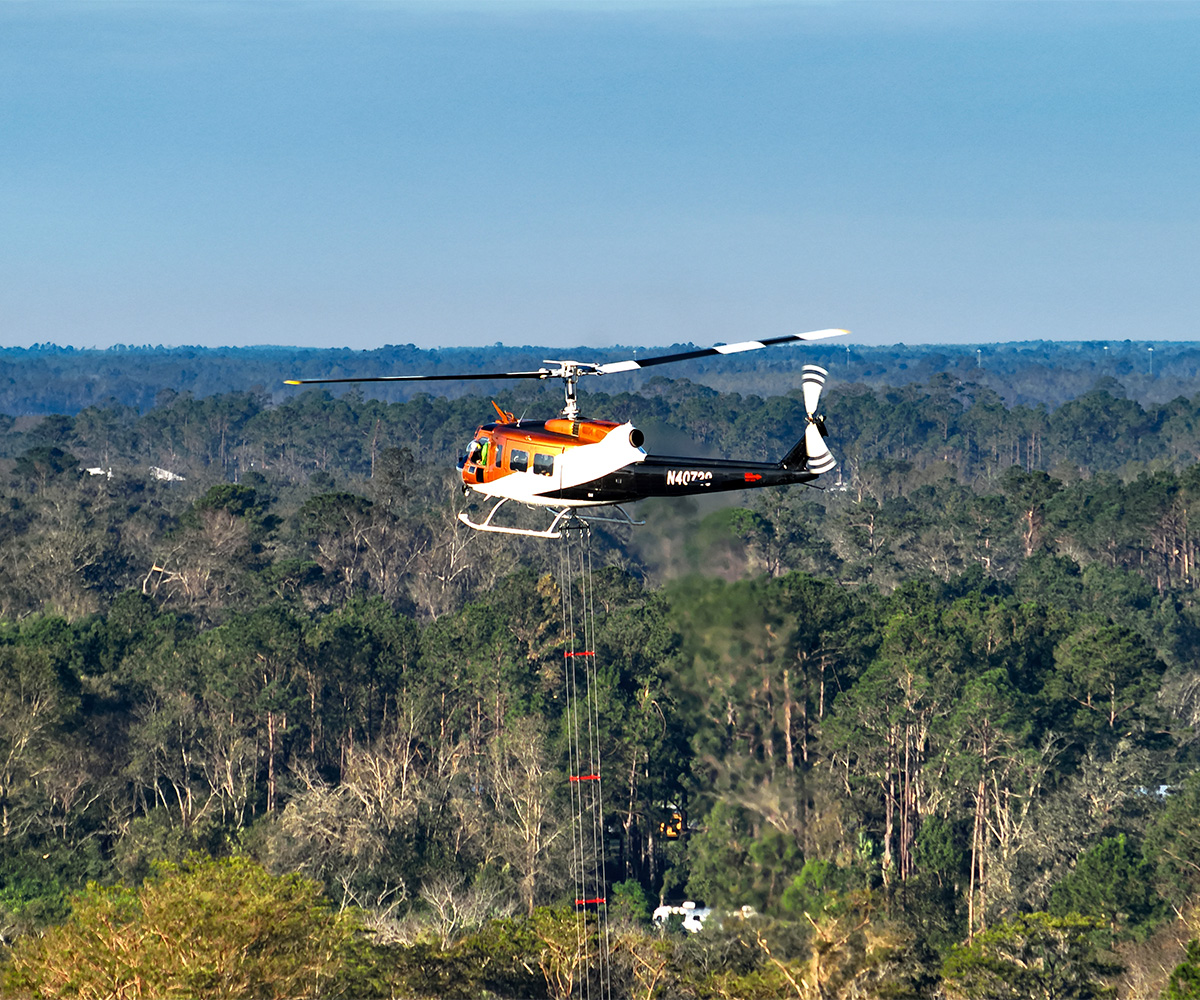
In Macon, crews completed their first ever material delivery by helicopter.
A Week of Milestones
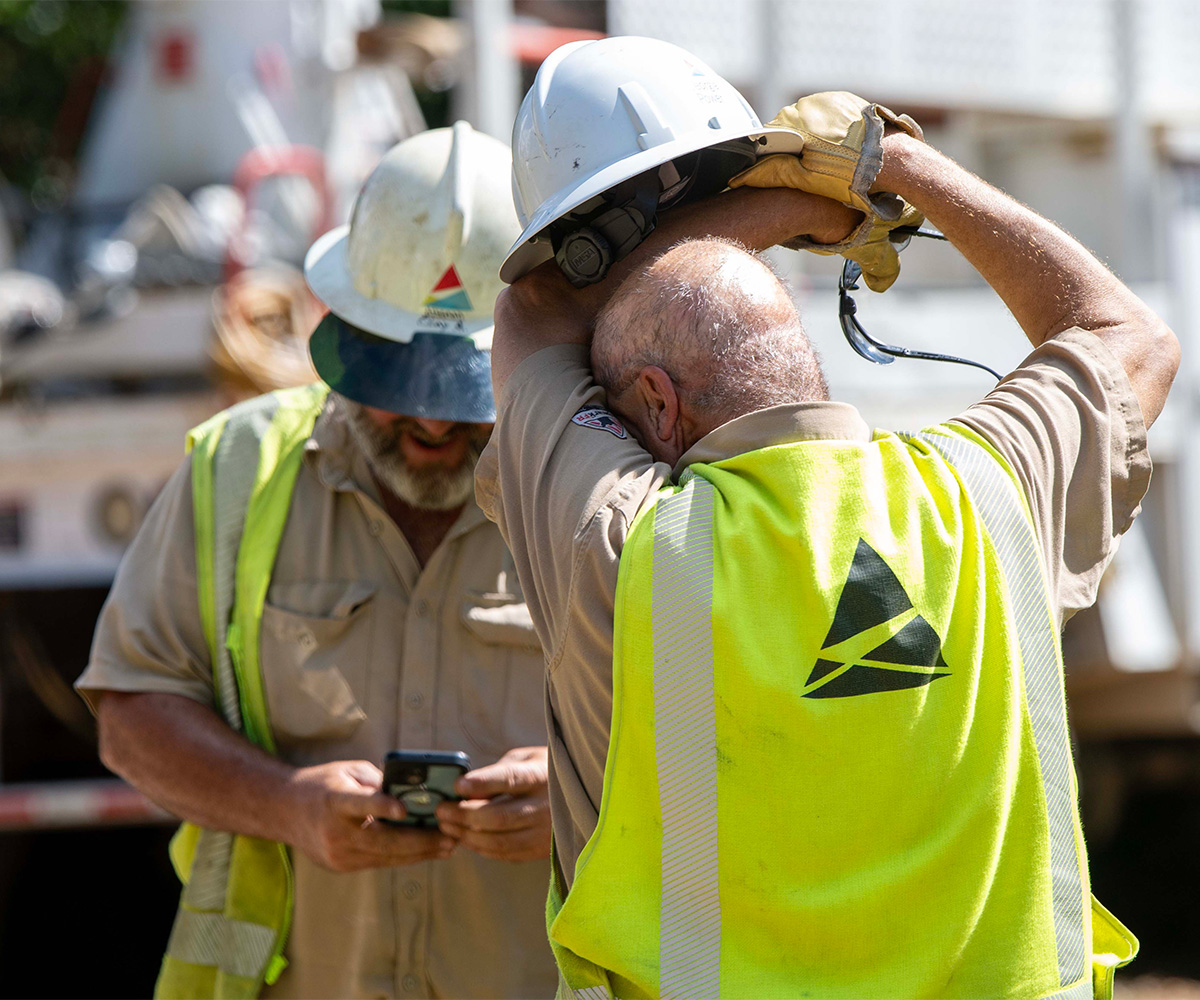
A week after Helene devastated much of the state, crews had restored power to 90% of all affected customers – over a million in total.
Having continued to acquire off-system support throughout the week, the number of front-line personnel involved in the restoration efforts now surpassed 20,000.

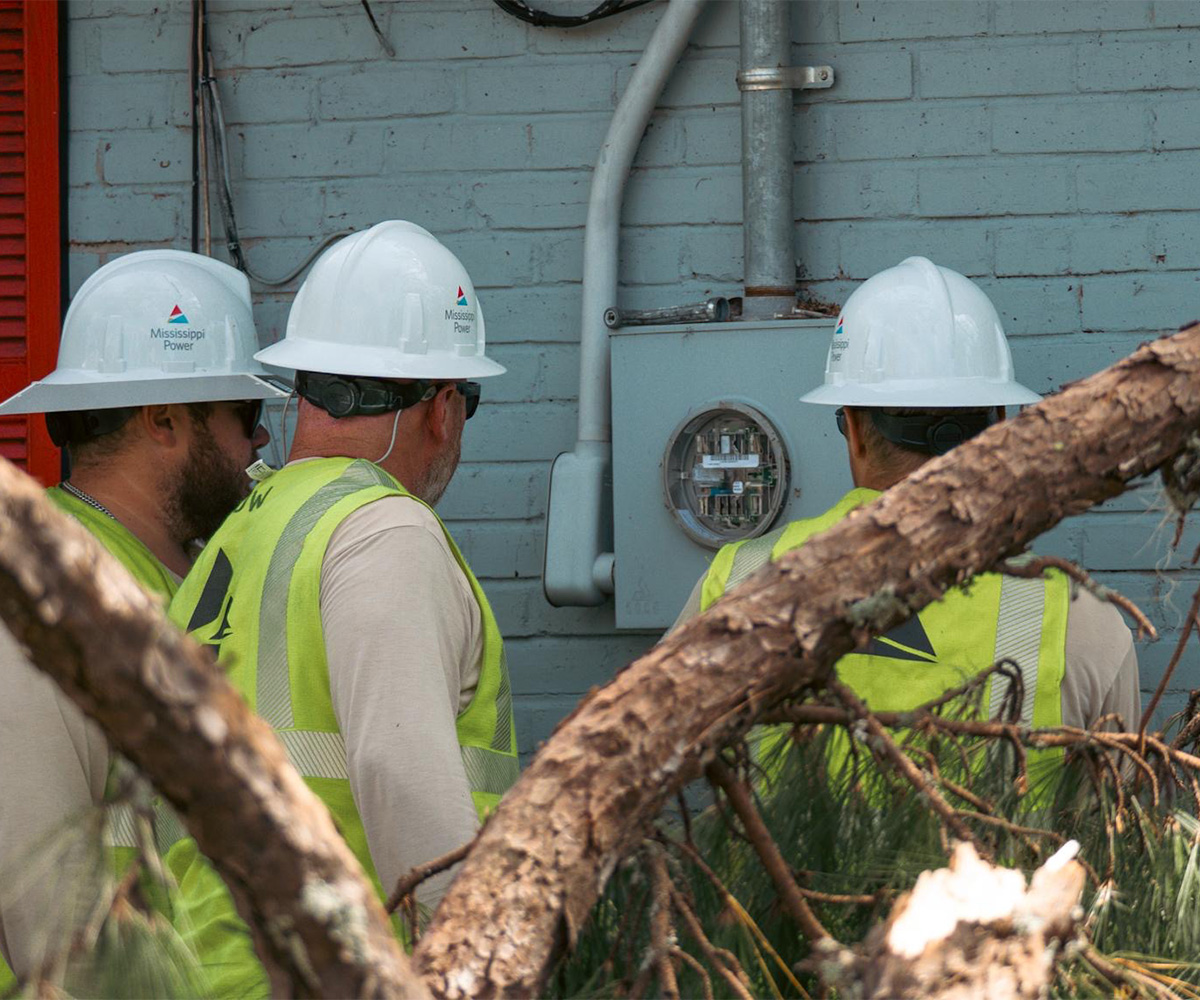

Going Above and Beyond
Individual reports of restoration workers going above and beyond kept coming in.
While working on restoring lines in the Augusta region, a Georgia Power contractor saved the life of an unresponsive woman by using his truck’s AED to restart her heart.
Meanwhile, at another site in Augusta, a line crew stopped to help a person who had run out of gas by pushing her car up a hill and out of harm’s way.
Whatever it Takes
In Clayton, a lineman, trying to report for duty, walked 5 miles for 2 hours with his chainsaw, clearing trees by himself just to be able to reach his operating headquarters.
And in Statesboro, since all restaurants in the area were without power, a Georgia Power employee made breakfast for line crews on her portable flat top grill.


We Stay Until the Job is Done
By midday Saturday, October 5th, crews had restored power to over 99% of those affected by the historic levels of destruction brought on by Hurricane Helene.
Despite the effort’s success, Georgia Power CEO Kim Greene reiterated that our crews would not rest until every customer had been restored, saying,
“Our work isn’t done until every customer who can receive power has it – that commitment is shared by everyone on our team.”
Hurricane Helene was the most destructive hurricane in Georgia Power's history.
In many places the damage to the infrastructure was so severe that crews were effectively rebuilding the grid rather than simply reconnecting it.
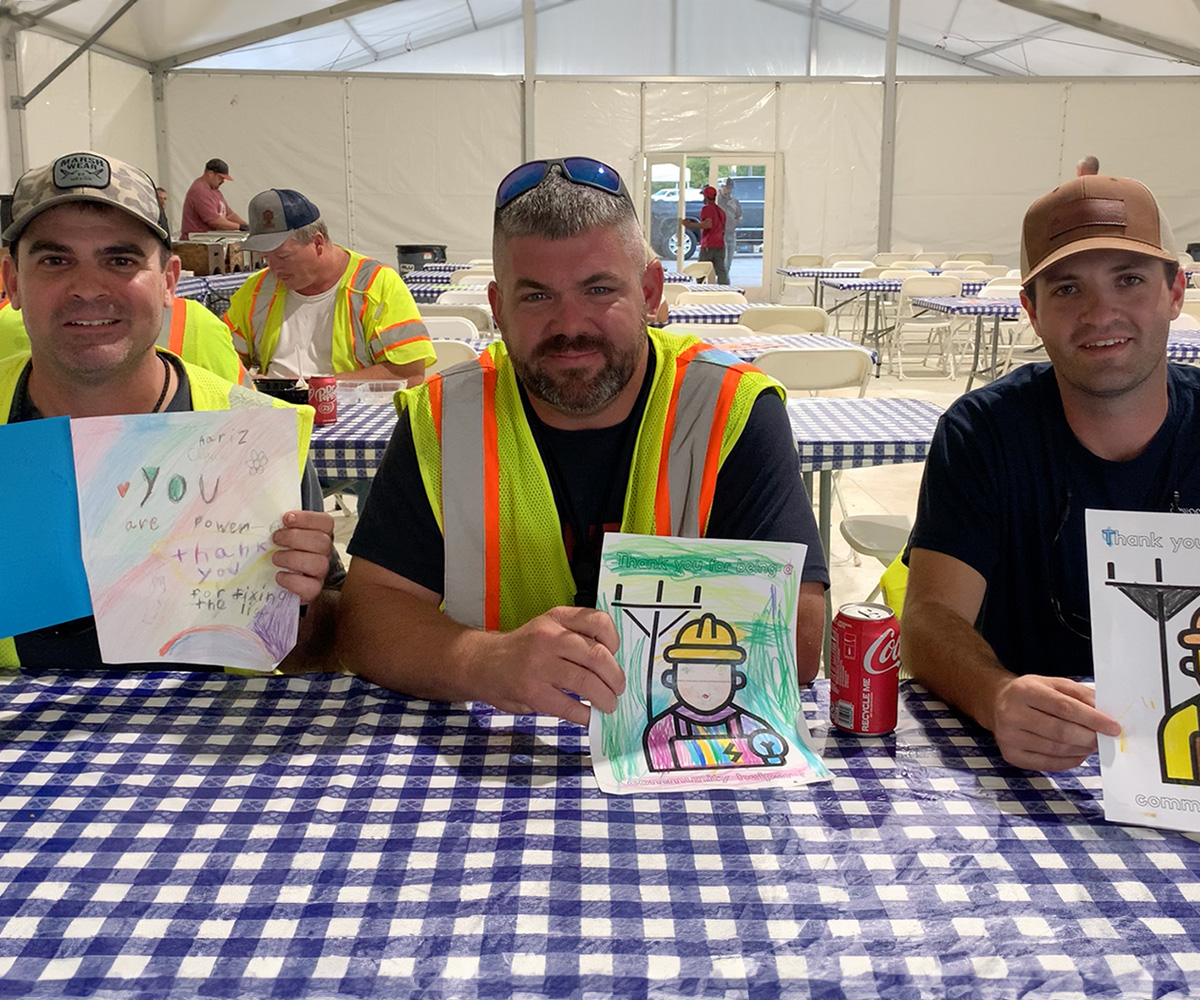
To the more than 20,000 front-line workers who came to our aid, and to everyone impacted by Hurricane Helene for your support and resilience—Thank you!


