

We serve businesses and organizations of all types, categorized primarily by energy size and industry type.
We design our plans with different energy needs in mind around 4 possible ways of charging your usage.


Medium Business
Medium Business customers use between 30 kW and 499 kW of demand.


Outdoor Lighting
Plans tailored to both public and private sector outdoor lighting applications.
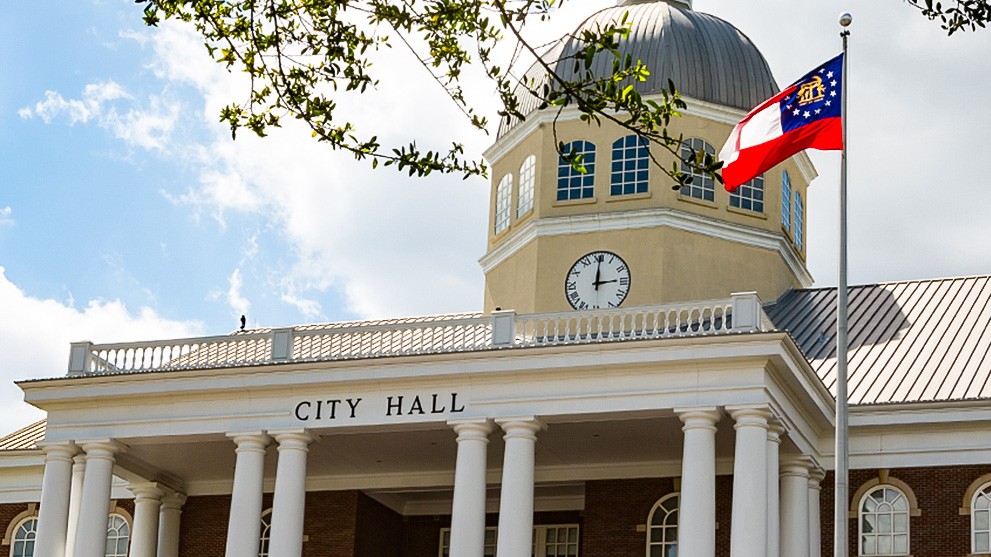
Government & Municipalities
Our Government & Municipalities plans support federal, state and municipal operations.

Educational Institutions
Our Educational Institutions plans support both public and private schools, colleges, and universities.

Agriculture
Our Agricultural plans typically support farming operations, irrigation, and agricultural production.

Transportation & Transit
Structured time-based energy pricing tailored to benefit transit load patterns

Not sure which rate is right for your business?
Different Plans for Different Usage Patterns
Rate plans are designed around how your business uses energy. Understanding how each rate type works can help you find the best fit for your energy needs and usage patterns.
Energy Only
Simple, usage-based pricing designed for businesses with steady energy use.
Best for smaller, lower-demand operations.
Demand Based
Pricing that includes charges based on your peak electricity demand and overall usage.
Best for businesses with higher energy loads.
Time of Use
Pricing that varies by time of use, with lower rates during off-peak hours.
Best for flexible operating schedules.
Real-Time Pricing
Market-based pricing that changes hourly based on energy supply and demand conditions.
Best for medium and large, energy-intensive facilities.
Specialized Rate Plans

Outdoor Lighting & Roadway Rate Plans
Lighting solutions for streets, security, and parking areas. Georgia Power offers rate plans and products designed for public and private outdoor spaces to support safety, visibility, and efficiency.
Transportation & Transit Rate Plans
Energy solutions for electric vehicle charging, transit systems, and transportation infrastructure. Georgia Power offers rate plans designed to support your operational and energy needs.
General FAQs
What electric rate applies to my business in Georgia?
The electric rate that applies to your business in Georgia depends on your monthly energy use (kWh), peak demand (kW), operating hours, and industry type. Small businesses with lower demand typically qualify for General Service rates, while larger operations may qualify for Demand-Based, Time-of-Use, or Real-Time Pricing options.
How is commercial electricity demand calculated?
Commercial electricity demand is typically calculated based on the highest 30-minute average kilowatt (kW) usage recorded during the billing month. Some rates also include seasonal or historical demand provisions that can influence minimum billing demand.
Can my business switch electric rates?
In many cases, businesses can switch electric rates if they meet eligibility requirements. Some rates require minimum contract terms or specific demand thresholds. A review of your usage history and billing profile can help determine whether a different rate structure may be available.
What is the difference between demand and energy charges?
Energy charges are based on the total electricity your business uses during the month (measured in kilowatt-hours, or kWh). Demand charges are based on your highest level of electricity usage at any one time during the billing period (measured in kilowatts, or kW). Even short spikes in usage can affect demand charges.
What is a time-of-use electric rate?
A time-of-use (TOU) electric rate charges different prices depending on when electricity is used. Rates are typically higher during peak demand hours—such as weekday afternoons in summer—and lower during evenings, weekends, and other off-peak periods. Businesses that can shift usage may reduce costs under a TOU rate.
What is real-time pricing?
Real-time pricing (RTP) is a market-based electric rate where the price of electricity changes hourly based on projected supply and demand conditions. Businesses that can actively manage and shift usage in response to hourly price signals may reduce costs under this pricing structure.
How do I find my kW demand or energy usage?
You don’t need to know your exact kW demand to get started—many customers begin by selecting their business type to explore rate options designed for similar energy needs.
If you’d like to find your kW demand, you can typically locate it on your Georgia Power bill. Look for a line labeled “kW Demand” or “Peak Demand,” which reflects the highest level of electricity your business used during a billing period.
If you’re unsure, you can also:
- Use our Rate Advisor for guided support
- Contact Georgia Power for help reviewing your account
Understanding your energy usage can help you compare rate options more precisely, but it’s not required to find a plan that fits your business.
Important Supporting Documents
Riders, Taxes, and Fees
Not applicable to all rate plans
To best serve each customer, we categorize businesses by industry type and the highest amount of energy needed at any point each month.
Small Business
Monthly peak demand is less than 30 kW of energy.
Typical customers on our Small Business rate plans include:
- Mom-and-pop grocery stores or restaurants
- Gas stations
- Small churches
- Boutiques
- Small commercial stores in a shopping center
Medium Business
Monthly peak demand is between than 30 kW and 499 kW of energy.
Typical customers on our Medium Business rate plans include:
- Restaurants
- Grocery stores
- Churches
- Banks
- Department stores
Large Business
Monthly peak demand is 500 kW or more.
Typical customers on our Large Business rate plans include:
- Large department stores
- Large grocery stores
- Warehouses
- Car dealerships
- Manufacturing facilities
- Large office buildings
- Stadiums
- Convention or trade centers
Other Specialized Customer Segments
Agriculture
Typical customers on our Agriculture rate plans are operating:
- Irrigation systems
- Farm facilities
- Crop production and services
- Grain and oil mill operations
- Agricultural production and storage businesses
Outdoor Lighting Applications
Whether privately owned or a public sector operation, customers on our outdoor lighting plans are often powering:
- Parking Lots
- Street Lighting
- Roadway Lighting
- Corporate & Education Campuses
- Parks
- Stadiums
- Tennis Courts
- Car Dealerships
View Outdoor Lighting Rate Plans
Government & Institutions
Typical customers on our Government & Institutions rate plans are responsible for:
- Government Institutions
- Community Infrastructure
- Municipal Services
- Traffic Controls
- Educational Institutions
View Government & Municipal Rate Plans
View Education Institutions Rate Plans
Transportation & Transit
Rate plans designed for electric transportation and transit infrastructure.
- Rail Systems
View Transportation & Transit Rate Plans
Small Business Examples
Typical customers on our Small Business rate plans include:
- Mom-and-pop grocery stores or restaurants
- Gas stations
- Small churches
- Boutiques
- Small commercial stores in a shopping center
View Small Business Rate Plans
Medium Business Examples
Typical customers on our Medium Business rate plans include:
- Restaurants
- Grocery stores
- Churches
- Banks
- Department stores
View Medium Business Rate Plans
Large Business Examples
Typical customers on our Large Business rate plans include:
- Large department stores
- Large grocery stores
- Warehouses
- Car dealerships
- Manufacturing facilities
- Large office buildings
- Stadiums
- Convention or trade centers
View Large Business Rate Plans
Agriculture Examples
Typical customers on our Agriculture rate plans are managing:
- Irrigation systems
- Farm facilities
- Crop production and services
- Grain and oil mill operations
- Agricultural production and storage businesses
Government & Instituation Examples
Typical customers on our Government & Institutions rate plans are responsible for:
- Government Institutions
- Community Infrastructure
- Municipal Services
- Traffic Controls
- Educational Institutions
View Government & Municipal Rate Plans
View Education Institutions Rate Plans
Outdoor Lighting Applications
Whether privately owned or a public sector operation, customers on our outdoor lighting plans are often powering:
- Parking Lots
- Street Lighting
- Roadway Lighting
- Corporate & Education Campuses
- Parks
- Stadiums
- Tennis Courts
- Car Dealerships
View Outdoor Lighting Rate Plans
Are Energy Only rates a good fit for your business?
If your energy use is steady and consistent during regular operating hours, Energy only rates may be a good fit for your business.
This rate type works best when your energy demand remains relatively even throughout the day without large spikes.
Typically used by: Smaller businesses with predictable, lower energy needs.
View Small Business Energy Only Rates
Are Demand Based rates a good fit for your business?
Typically used by: Businesses with steady energy demands.
Demand-Based rates account for both total energy use and peak demand, making it suitable for operations with steady, preditable usage or consistent equipment-driven loads.
This rate type works best when your energy demand remains relatively even throughout the billing period without large spikes.
If your business can manage a consistent energy demand by reducing fluctuations throughout the day or periods of high usage, Demand-Based rates may be a good fit for your business.
View Small Business Demand Based Rates
View Medium Business Demand Based Rates
View Large Business Demand Based Rates
View Agriculture Demand Based Rates
Are Time of Use rates a good fit for your business?
Typically used by: Businesses that can shift energy use to evenings, nights, or weekends.
Time-of-Use rates offer lower costs during certain times of day, benefiting businesses with flexible schedules.
If your business uses a lot of energy but can operate more during off-peak hours, Time-of-Use rates may be a good fit for your business.
View Small Business Time of Use Rates
View Medium Business Time of Use Rates
View Large Business Time of Use Rates
View Agriculture Time of Use Rates
Are Real-Time Pricing rates a good fit for your business?
Typically used by: Medium to Large, energy-intensive businesses with advanced energy management capabilities.
Real-Time Pricing rates reflect hourly market pricing and are best suited for operations that can monitor and adjust energy use frequently.
If your business can actively manage when and how it uses energy in response to changing conditions, Real-Time Pricing may be a good fit.
View Medium Business Real-Time Rates
View Large Business Real-Time Rates


