

For Operations With Peak Demand of <30 kW
These rate plans are designed for small usage business customers.
- e.g. Mom-and-Pop Grocery Stores and Restaurants
- Gas Stations
- Small Churches
- Boutiques
- Other Small Retail or Service Businesses
If your business have different needs – check out our Medium Business Rates, browse All Business Rate Plans, or try our Business Rate Advisor.
3 Categories of Rates to Fit Every Small Business
- Energy Only
- Time of Use
- Demand Based
Rate Plans With Standard, Usage-Based Pricing
Simple, usage-based pricing designed for businesses with lower-demand operations.
Have Questions or Ready to Sign up?
Call 1-888-655-5888 | M-F 8am-6pm
General Service
Most Common
A straightforward rate based primarily on the total electricity your business uses each month. This option offers predictable pricing and is designed for businesses with lower energy demand and steady operations.
Recommended For:
Small businesses with steady usage and minimal peak demand, such as retail shops, restaurants, salons, and small offices.
Eligibility:
- Use less than 3,000 kWh monthly
- Maximum demand of 30kW
FlatBill
1-Year Contract pricing
Provides a predictable, fixed monthly payment based on historical usage rather than fluctuating monthly bills. Includes a risk adjustment factor and requires a 12-month contract.
Recommended For:
Small businesses that prefer stable, predictable monthly expenses for budgeting purposes.
Eligibility:
- Georgia Power customer at current facility for at least 12 months
- Use less than 3,000 kWh monthly
- Maximum 30-minute demand of <30kW
Optional General Service
Temporary (<12 months service)
Designed around temporary, seasonal, or alternative service patterns. Offers a higher base service charge and tiered energy pricing structure.
Recommended For:
Businesses with irregular usage patterns, such as seasonal businesses, or businesses with temporary service needs, or operations.
Eligibility:
- Service will be less than 12 months
- Expected peak demand is less than 100MW
Unmetered Devices
1-Year Contract pricing
Energy usage is estimated rather than metered.
Recommended For:
Businesses that do not require traditional metering, such as broadcasting facilities, internet service providers, telecommunication, or outdoor surveillance equipment.
Eligibility:
- NAICS 515, 517, 518 industries or outdoor surveillance equipment
- Use less than 3,000 kWh monthly
- Maximum demand of <30kW
Pricing That Varies by Time of Day, Providing Opportunities to Save
Lower rates during off-peak hours for small businesses with flexible operating schedules.
Have Questions or Ready to Sign up?
Call 1-888-655-5888 | M-F 8am-6pm
Time-of-Use - Energy Only
Variable rates, 1-year contract
Electricity pricing varies by time of day and season. Higher rates apply during summer on-peak hours with lower rates during off-peak hours.
Recommended For:
Businesses that use less energy during peak afternoon summer hours, or are able to shift operations around it to reduce costs.
Eligibility
- 1-year contract minimum
- Total peak demand is less than 100MW
Helping to Better Manage Large Equipment Loads
Rate plans based on peak demand and overall usage for small businesses with higher energy loads.
Have Questions or Ready to Sign up?
Call 1-888-655-5888 | M-F 8am-6pm
Power & Light Small
1-Year contract
Includes both energy and demand components. Billing demand is based on the highest 30-minute kW measurement, with seasonal demand calculations and ratchet provisions.
Recommended For:
Professional offices, small retail, small restaurants, small banks, and hair salons.
Eligibility:
- Demand is less than 30kW
- Single or three-phase service
- 1-year contract
Optional Riders:
Additional options that may be available to help manage how and when you use energy.
Off-Peak Service Rider
Modifies billing demand to potentially lower bill.
View Tariff PDF
Variable Off-Peak Service Rider
Modifies billing demands based on selected time periods to potentially lower bill.
View Tariff PDF
Charge It - Electric Vehicle Service Rider
Modifies billing demands for premises dedicated to electric vehicle charging served behind a dedicated meter.
View Tariff PDF

Power & Light Rate Calculator
Wondering how peak demand impacts your Power & Light rate?
Use our calculator tool to input your current bill information and see how adjustments to your usage could lower future costs.

Not Sure Which Rate Is Right for Your Business?
Try our Rate Advisor and find the rate plan that best fits your business needs and usage habits.
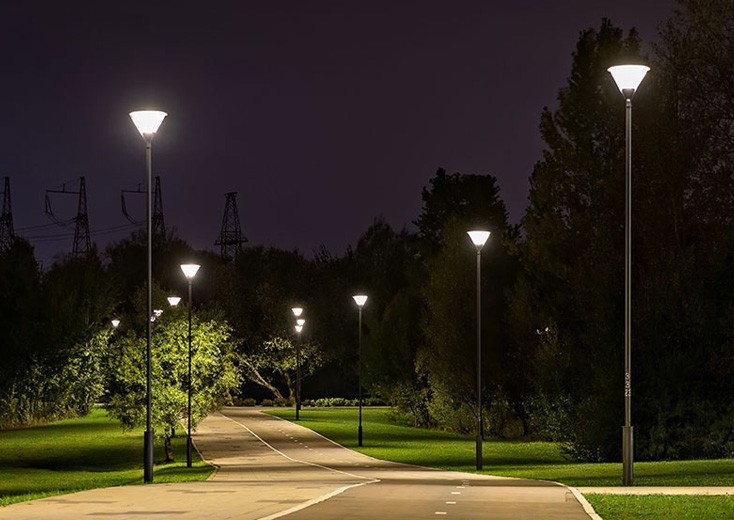
Outdoor Lighting & Roadway Rate Plans
We offer rate plans specifically designed around lighting solutions for public and private outdoor spaces.

Need Help With Understanding Your Bill?
Try our user-friendly interactive bill experience that explains what all of the items on your bill means.
FAQs & Helpful Resources
What electric rate does my small business qualify for?
Most small businesses qualify for a General Service rate if they use less than 3,000 kWh per month and have a peak demand under 30 kW. Businesses with higher demand may qualify for Power & Light or Time-of-Use rates.
Can I switch my small business electric rate?
Some rates require a 12-month contract. Eligibility depends on your usage history and demand level. A Rate Advisor or energy specialist can help determine if switching is available.
What is the difference between General Service and Power & Light rates?
General Service rates are primarily based on total energy used (kWh). Power & Light rates include both energy charges and demand charges based on your highest 30-minute usage during the billing period.
What is a demand charge on a business electric bill?
A demand charge is based on the highest level of electricity your business uses at one time (measured in kilowatts, or kW) during the billing month. Even short spikes in usage can affect this portion of your bill.
Visit our interactive 'Your Bill Explained' for more information
What are on-peak and off-peak hours?
On-peak hours are times when electricity demand is highest, typically weekday afternoons in summer months. Off-peak hours include evenings, weekends, and non-summer months when demand is lower.
Supporting Documents
Riders, Taxes, and Fees
Not applicable to all rate plans
Is this a good fit for your business?
If your energy use is steady and consistent during regular operating hours, General Service rates may be a good fit for your business.
This rate type works best when your energy demand remains relatively even throughout the day without large spikes.
Typically used by: Smaller businesses with predictable, lower energy needs.
Is this a good fit for your business?
If your energy demand fluctuates throughout the day or includes periods of high usage, Demand-Based rates may be a good fit for your business.
This rate type accounts for both total energy use and peak demand, making it suitable for operations with varying or equipment-driven loads.
Typically used by: Businesses with higher or variable energy demands.
Is this a good fit for your business?
If your business uses a lot of energy but can operate more during off-peak hours, Time of Use rates may be a good fit for your business.
This rate type offers lower costs during certain times of day, benefiting businesses with flexible schedules.
Typically used by: Businesses that can shift energy use to evenings, nights, or weekends.
3 Categories of Rates to Fit Every Small Business
Each one of our rate plans is designed around different energy needs and usage patterns to provide flexible options that fit every type of small business.
Energy Only
Simple, usage-based pricing designed for businesses with steady energy use.
Best for smaller, lower-demand operations.
Time of Use
Pricing that varies by time of use, with lower rates during off-peak hours.
Best for flexible operating schedules.
Demand Based
Pricing that includes charges based on your peak electricity demand and overall usage.
Best for businesses with higher energy loads.


