





Our first priority is the safety of both our customers and our crews.
In the event of any storm-related outage, rest assured that crews will be dispatched to find and repair any problems as soon as it is safe to do so. In the meantime, we ask that you please follow our safety guidelines and report any emergencies immediately – including street light outages, downed power lines, or low-hanging wires.
Prepare Before a Storm
- Make a Supply Kit
- Make an Emergency Plan
- Important To-Do's
Your kit should be able to get you and your family through
A well-stocked emergency supply kit can mean the difference between an inconvenience and a crisis.
Stock up on...
- Water
- Non-perishable canned goods
- Calorie-rich foods like peanut butter and canned meats
- Any critical medicine
- Batteries, flashlights, and blankets
Maintain your kit!
- Keep it in a waterproof container
- Check it yearly to make sure it’s up to date
- Keep a smaller version in your car in case of sudden emergencies

Make sure everyone in your family knows the plan in case someone gets separated.
A good emergency plan should include the following...
Safe places:
- A deadline to evacuate
- A destination after you evacuate
- List of local emergency shelters
- Meeting places in case your group gets separated
- Safe places to keep important items
Family and contacts:
- A duty for each member of the family
- Contact information for emergency services
- Contact information for elderly friends, neighbors or family members
- List of relatives to notify
- Plans for family pets

Check to see that your Emergency Supply Kit is stocked.
Make sure Emergency Plan is complete and shared with family members.
Be ready to hunker down.
- Keep your phones and medical devices charged
- Check in on pets and loved ones
- Fill up your gas tank or make sure your electric vehicle is charged
- Pick up any critical medicine while it's safe to do so
- Keep doors and windows closed to keep the outside temperature outside
- Keep freezer doors closed and sealed. Frozen food will keep up to three days in a well-filled freezer.
- In winter - drip your faucets to keep your pipes from freezing
If dangerous winds or flooding is expected, consider boarding over windows or fortify entryways with sandbags.

Look Out for These Storm Dangers
From tornadoes and heat waves, to hurricanes, flooding, and ice storms, every season in Georgia present their own storm dangers. Most outages happen when trees and limbs break and fall and tear power lines down with them.
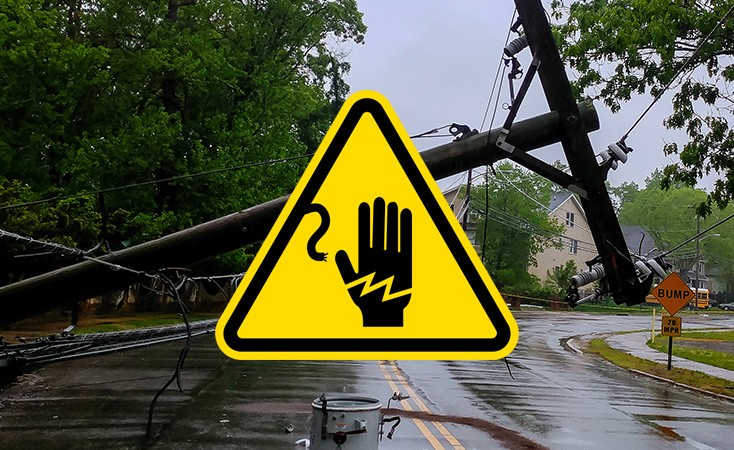
NEVER touch power lines or anything making contact with power lines. If you see a downed line, call 911, or us directly at 1-888-891-0938 to have the downed line barricaded until it can be repaired. Warn others to stay away.
Power Lines
- Don't approach!
Never go near a downed power line.Always assume a downed power line is electrified and life-threatening. Keep children and pets away. - Don't touch!
Do not attempt to remove anything making contact with a power line , such as a person, animal, or object. Call 911 for help!
If You're in a Car
- Do not drive over a downed line or under a low-hanging line.
- Beware of downed lines touching a vehicle, and
stay away from the vehicle and the line. - If a power line hits your car while you’re inside, stay put and wait for help. If the car catches fire, then jump clear without touching metal and the ground at the same time. Shuffle away while keeping both feet on the ground.
Gas Generators
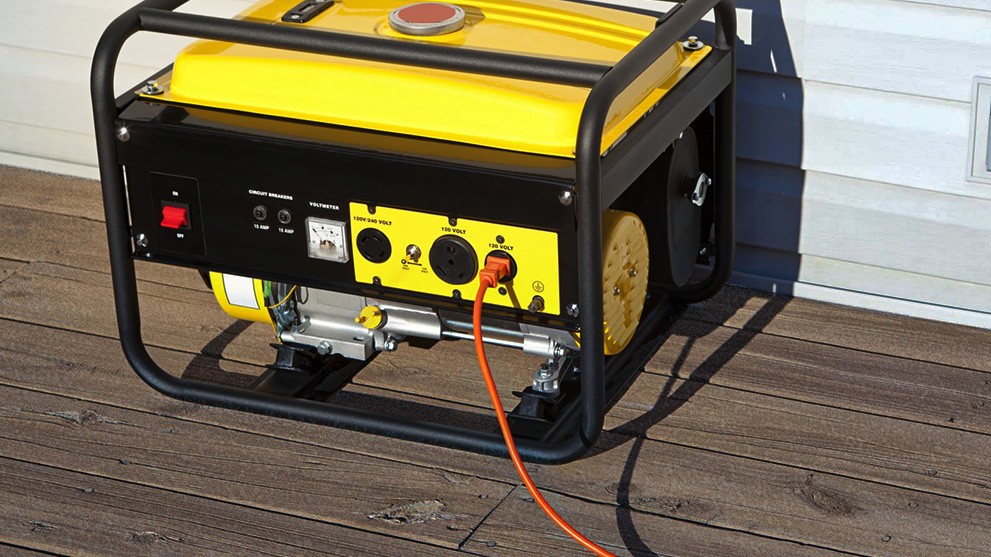
Generators produce
- Never use a generator in a small or enclosed space.
- If you feel sick, dizzy, or weak while using a generator, find fresh air right away.
- If you feel seriously ill, seek medical attention immediately. Inform medical staff you suspect carbon monoxide poisoning.

Fire Hazards
Whether you're trying to light or heat your home during an outage, fire hazards are very real.
- Never leave candles unattended.
- Maintain ventilation around fireplaces.
- Use space heaters only on level surfaces and away from furniture, curtains, water, children and pets.
Specific Storm Dangers
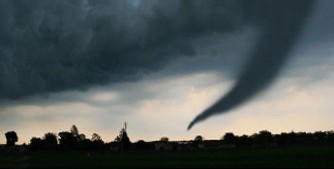
Tornadoes
Peak season: March - May
Tornadoes can form in minutes, giving very little time to seek shelter. The critical first step in surviving a tornado is to listen for tornado watches and warnings.
Tornado Watch means that conditions are favorable for a tornado.
Tornado Warning means there is immediate danger of a tornado.
Safest Place in a House
The safest place is the lowest level – the basement.
If you don't have one, choose a small room away from windows, like a closet, hallway or bathroom near the center of the house.
Put as many walls as possible between you and a tornado.
Close all doors.
If Outdoors or in a Mobile Home
If you hear a tornado warning, immediately go to a nearby shelter or the basement of a building.
If you don't have time to reach a shelter, lie flat in a ditch, culvert or other low area and cover your head.
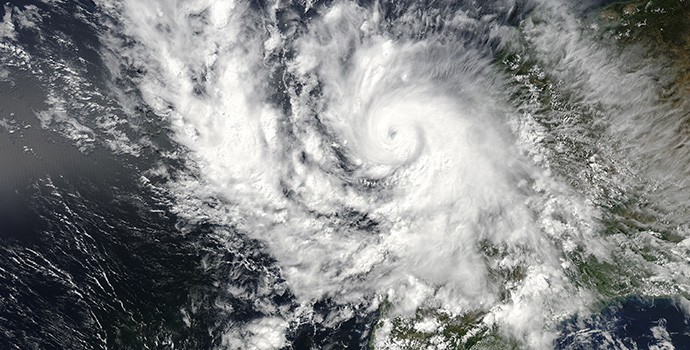
Hurricanes
Peak season: June - November
Every hurricane season there's a risk of massive flooding and widespread damage to both homes and infrastructure from the dangerous winds and heavy rainfall.
Prepare yourself and your loved ones ahead of a hurricane!
Make an Emergency Supply Kit with everything you need to get through 3 days without electricity or running water.Make an Emergency Plan and make sure everyone in your family understands the plan.
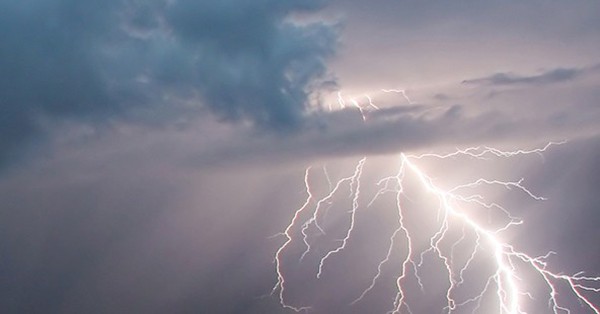
Thunderstorms
Peak season: Spring / Summer
Lightning can be extremely dangerous, and cause massive electric shock and fires.
- Avoid contact with conductors of electricity, appliances, metal objects and water.
- Disconnect electronics. Devices can get fried if a lightning strike overloads the circuits.
If Outdoors
In the woods:
Only shelter under
In an open field:
Get low to the ground until you can get to safety.
On or in water:
Get out of boats and away from the water as quickly as possible.
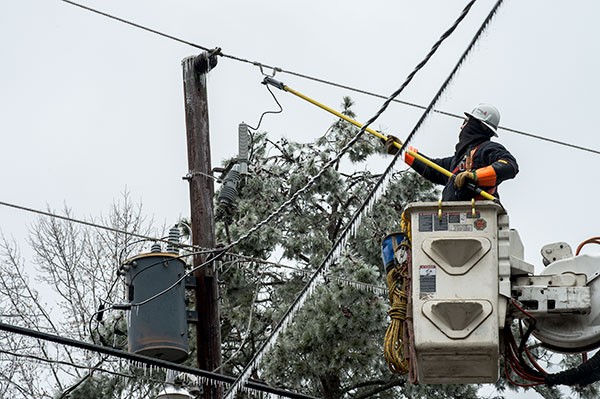
Winter Storms
Peak season: December - February
The humidity and relatively warmer ground temperatures create a dangerous cycle of melting and refreezing during winter in Georgia.
- Stay off icy roads.
Even experienced winter drivers can easily slide off the road or into other traffic without proper winter tires. - Beware of falling trees and branches.
Ice coats and makes wood and metal brittle and extremely heavy, often causing trees and branches to break and fall, taking power lines down with them. - Keep warm.
Especially if you loose power, keep doors and windows shut.
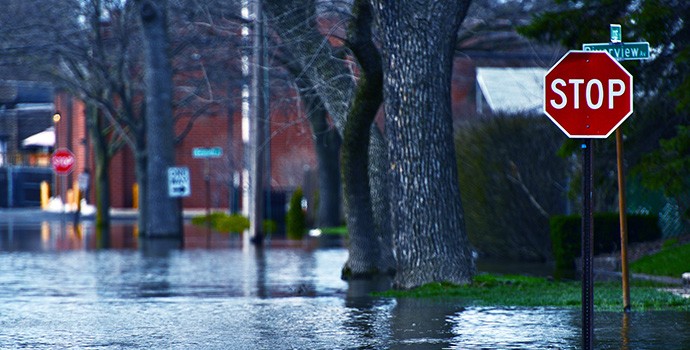
Floods
Year around danger.
Flash flooding is the No. 1 weather-related killer in the United States. Be alert, and know your area's flood risk.
Listen to evacuation orders, and move to higher ground away from rivers, streams, creeks and storm drains.
- Never drive through standing water or navigate past official road barricades.
- It only takes 12 inches of water (1 foot) to float most standard passenger cars.
- If your vehicle stalls, abandon it and go to higher ground immediately.
Storm Resources
 Outage Resources

Outage Resources
If you’re currently experiencing an outage, know that we’re working to fix it.
 Prepare & Stay Safe
Prepare & Stay Safe
Prepare your home and keep your family safe through storms and outages.
 Storm Dangers
Storm Dangers
Learn about the dangers posed by different storms and what you can do to prepare.
 Emergency Resources

Emergency Resources
Local, state and federal resources to help you plan for and recover from disasters.
 Your Outage Helper
Are you currently experiencing an outage?
If you see a downed power line
NEVER touch power lines or anything making contact with power lines.
If you see a downed line, call 911, or us directly at 1-888-891-0938 to have the downed line barricaded until it can be repaired. Warn others to stay away.
- Don't approach! Never go near a downed power line.
Always assume a downed power line is live and life-threatening. Keep children and pets away!
- Don't touch!
Do not attempt to remove a person, animal, or object (such as a tree limb) making contact with a power line. Call 911 for help!
If you're in a car...
- Do not drive over a downed line or under a low-hanging line.
- Beware of downed lines touching a vehicle, and
stay away from the vehicle and the line. - If a power line hits your car while you’re inside, stay put and wait for help. If the car catches fire, then jump clear without touching metal and the ground at the same time. Shuffle away while keeping both feet on the ground.


