The Collaborative Effort to Save Money and Energy
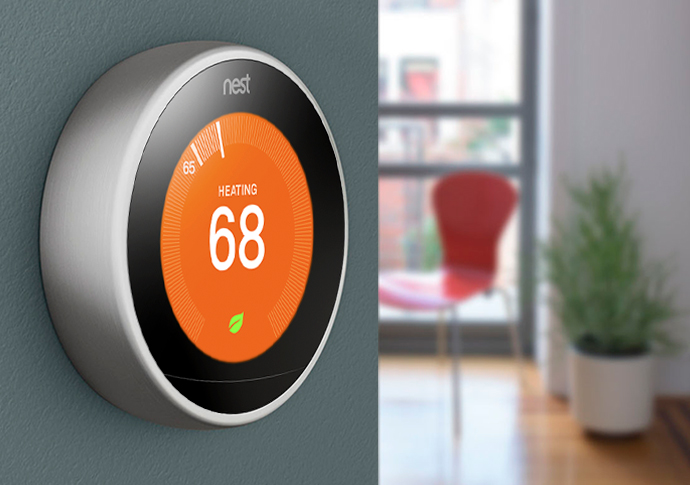
Affordable energy is a shared effort. Georgia Power lowers rates while helping customers save even more.
Keeping energy affordable in Georgia is a shared effort. What Georgia Power does to keep bills stable and predictable and what customers can do when they understand how they use energy go hand-in-hand to manage costs.
It’s our goal to make sure both happen.
Since 1990, we've maintained rates averaging 15 percent below the national average, and over the past year, we’ve taken additional strides to make bills more predictable at a time when help is most needed.
How We’re Lowering Rates
A recent Gallup survey found that inflation, energy costs, housing, and healthcare now lead Americans’ financial worries, with many saying their financial situation is worsening. Grocery prices are up more than 3 percent year-over-year, according to the USDA. Electricity costs have risen 21 percent nationally since 2022, according to the U.S. Energy Information Administration.
But in Georgia, we’re doing things differently.
While utilities nationwide are increasing rates to cover rising costs, we've taken a series of actions to not just stabilize bills, but lower them for customers.
The typical Georgia Power residential customer will see savings of approximately $50 per year on their bills, following approval of our fuel and storm recovery cost filings with the Georgia Public Service Commission (PSC). One filing covered the cost of fuel used to generate electricity, while the other covered the costs of restoring power after major storms, most notably, Hurricane Helene in 2024. When the PSC reviewed both filings, the savings in the fuel filing more than offset the storm recovery costs, resulting in a net decrease, which saves Georgia Power customers $285 million annually statewide beginning in June.
Even though this decrease will begin this summer when energy bills are typically highest because air conditioners are running more often, you can still see the lower bills if you use the same amount of energy this summer as you did last summer.
This rate decrease builds on two other actions approved by the PSC over the past year: our base rate freeze in July 2025, which followed new rules and regulations approved by the Georgia PSC that protect customers from costs tied to new large-energy users. The rate freeze means that the cost to generate, deliver, and serve electricity, which may vary based on how much energy is used, will not change through 2028, except for fuel and storm costs. The new rules and regulations from the Georgia PSC require new large-energy users like data centers and manufacturers to cover the costs of the infrastructure needed to serve them. They also include requirements such as upfront payments, fixed minimum bills, and contract termination penalties. The expected benefit will be savings of approximately $102 per year for the typical residential customer beginning in 2029, as announced by Georgia Power in May 2026.
For most of us, including our more than 7,500 employees statewide, many of whom are customers themselves, bill stability isn’t just a talking point—it's personal. Stability means we can plan and predict what one of our regular monthly expenses is going to be. In an economy where predictability has become increasingly rare, we know every opportunity for relief matters.
But established rates alone don't fully determine what customers pay. Bills also depend on how energy is used. That's the other side of this effort, and it's where the work of my team comes in.
Closing the Energy Education Gap
While lowering rates and working with the PSC to make bills more predictable makes a real difference to our customers, each individual bill is also heavily shaped by how energy is used, and what customers know about their own energy habits.
When we hear from customers about what drives up their bills, we will often hear responses such as lights, computers, the refrigerator, and even internet. Those appliances consume energy, but they rarely produce the largest swings month-to-month. For most residential customers, heating and cooling are the primary drivers. It's why most of us see our highest bills in the peak of summer and middle of winter.
Understanding what drives the charges on your bill can change your habits, and changing your habits can affect what you pay. Your heating and cooling system is often the biggest energy user in the home, so knowing how to use and maintain your system can make a difference in energy savings and comfort. Even small changes to thermostat settings can impact energy bills more than many customers realize. So does timing. Peak demand periods, usually between 2-7 p.m., are times when shifting energy-intensive tasks like laundry and electric vehicle charging to off-peak hours can produce meaningful savings, particularly under certain rate plans.
Tools and Resources to Save Money and Energy
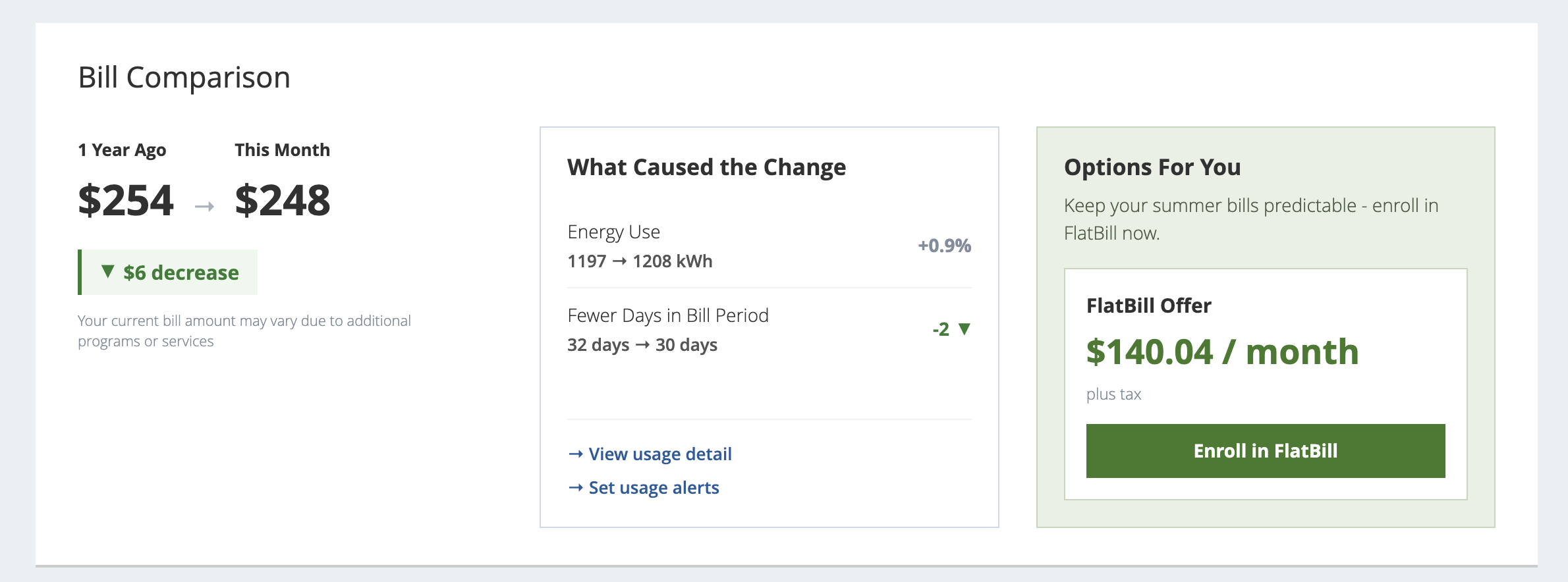
Since everyone’s energy habits are different, Georgia Power offers seven different residential rate plans, each designed to make energy more affordable based on your energy habits. It’s another reason we encourage and enable customers to know what energy they’re using when determining where they can save. When customers understand how and when they use electricity, they're far more likely to select the option that actually fits their specific needs. This includes FlatBill or Budget Billing, which offer more predictable bills each month.
We understand that learning about our own energy habits and the efficiency of our homes isn't top of mind every day, so we’ve invested in ways to help customers better understand and manage their home energy use. One way to understand how you use energy is with our Online Energy Checkup, a self-guided tool that provides personalized energy-saving recommendations. For a more detailed evaluation, customers can schedule a free in-home energy audit tailored to their home and energy usage. A virtual audit option is also in development that will allow customers to get a more detailed energy audit at home without needing an in-person visit. Together, these solutions help customers identify opportunities to improve energy efficiency and reduce energy waste. We also offer a suite of energy efficiency programs that provide customers with incentives on energy-saving products, solutions, and services for their homes.
We also offer financial assistance programs for qualifying customers. Our Income Qualified Discount provides a bill credit for residential customers, up to $402 in savings per year. We can connect them to additional funding options and even free energy-efficiency upgrades through our EASE program.
Both Parts of the Equation
Georgia Power has been doing its part for more than 140 years to provide customers with clean, safe, reliable, and affordable energy. Our recent moves to make bills more stable over the past year are the latest evidence of our sustained, deliberate planning to demonstrate that what you see on your bill is a responsibility to our customers, not a talking point.
Customers realize the greatest benefit from that planning when they engage with it, they know what's driving their bill, use the resources available to them, and make choices that fit their household.
That's the collaboration that actually makes an impact on your bill and turns stability into savings.


