

Water is Essential to Reliable Power
Water plays an important role in power generation by helping produce steam and cool equipment at fossil and nuclear facilities. Georgia Power is committed to using water as efficiently as possible while maintaining the reliable, affordable electricity customers depend on every day.
Through advanced technologies, renewable energy resources, water reuse practices and environmental stewardship, we continue to improve water efficiency across our operations.
Why It Matters:
- Water supports many electrical generation processes
- Water helps provide reliable electricity for Georgia's home, businesses, and communities.
Responsible Water Management
We carefully plan, monitor, and manage water use.
Water use is guided by permits, conservation planning, and ongoing monitoring across our operations.
Our water strategy is focused on efficiency.
The company has significantly reduced withdrawals since 2003 and continues to evaluate improvements in technology, recycling, and operational processes.
Downstream protection is built into the process
Water withdrawn for power generation and discharged back to rivers is fully protective of receiving stream water quality.
Investing in Smarter Water Solutions
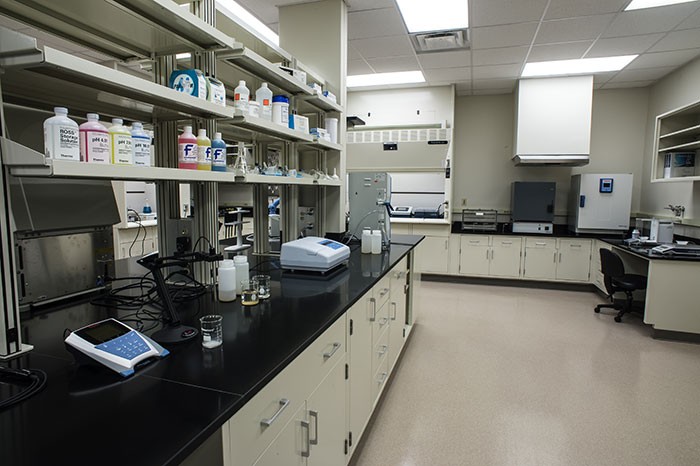
Georgia Power's Water Research Center helps identify new ways to reduce water use, improve water quality, and strengthen conservation efforts across power generation operations. Located at Plant Bowen, the center serves as a hub for testing and evaluating technologies that can help improve how water is managed today and in the future.
Conserve, Recycle & Reuse
Identifying opportunities to recycle and reuse water within plant operations.
Exploring technologies that reduce overall water consumption.
Cooling Innovations
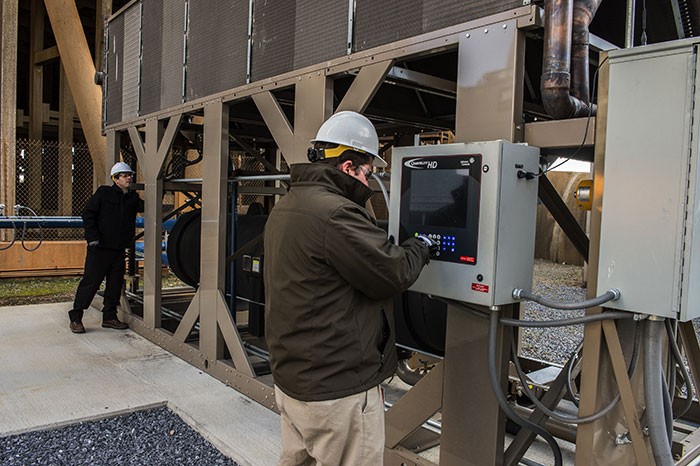
Evaluating innovative cooling systems that can reduce water demands while maintaining reliability.
Researching hybrid and alternative cooling approaches for future applications.
Wastewater Treatment
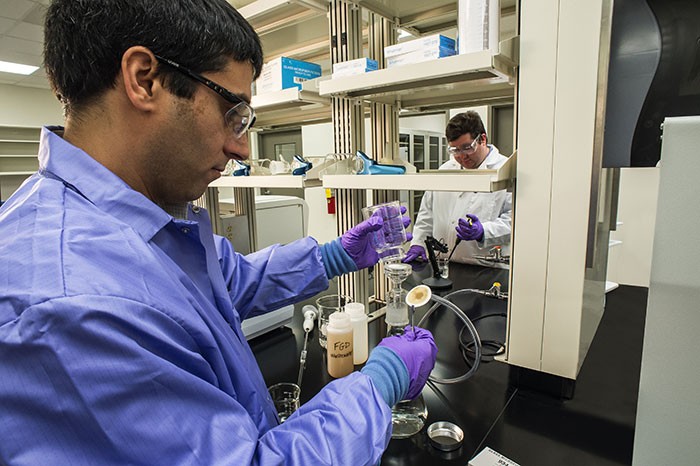
Developing new methods to improve treatment processes and expand opportunities for water reuse.
Enhancing technologies that improve the quality of water returned to the environment.
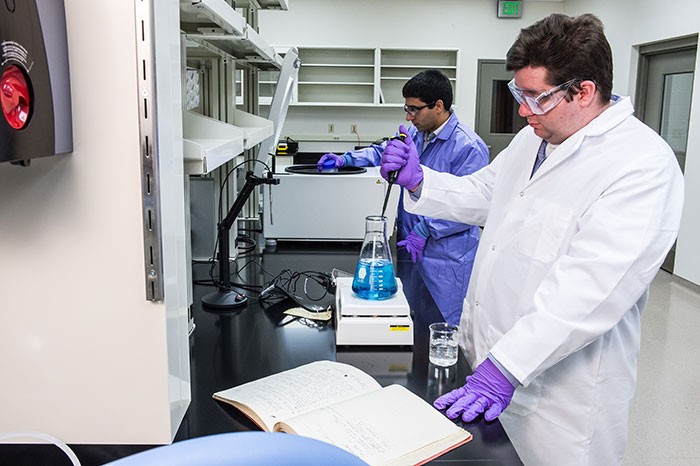
Monitor & Improve
Using modeling, monitoring, and research to better understand water use and identify conservation opportunities.
Supporting data-driven decisions that promote responsible long-term water management.
Waters for Georgia Grant
A Georgia Power Foundation signature program aiming to enhance water quality in Georgia. Established with 2020-2021 cycle, projects are typically designed to be completed on a two-year cycle. Supported initiatives are already improving Georgia’s water quality to the benefit of our communities and environment.
Our Lakes & Rivers
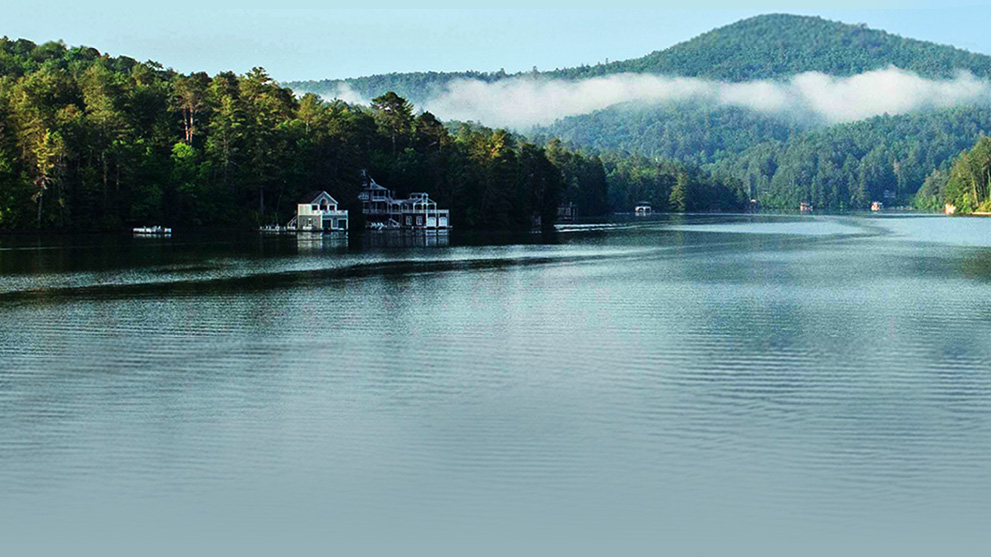
Learn how we protect our 16 lakes and 60,000 surface acres of water through shoreline management, water safety, and environmental stewardship.
Frequently Asked Questions
Does Georgia have enough water?
- Georgia receives approximately 50 inches of rainfall annually, which is much higher than the nationwide average, and relies on healthy rivers, reservoirs and aquifers to support communities and economic growth.
Even in water-rich states like Georgia, water planning and infrastructure is critical to ensuring people, businesses, and the environment have the water they need when they need it.
That’s because water availability is relevant mostly on a local level and in some places water resources can become limited during periods of drought.
Georgia Power works closely with state agencies and water resource managers to ensure power generation remains reliable while supporting the responsible and sustainable use of Georgia's shared water resources.
Why does Georgia Power need to use water?
Water is essential to many forms of power generation, not just hydroelectric power.
It is used to produce steam to generate electricity and cool equipment at fossil and nuclear plants.
Water also supports equipment cleaning, air emissions controls, and other plant processes.
Georgia Power maintains and operates over 60,000 acres of water and more than 15 lakes in Georgia to support its generation activities. These lakes play a key role in supporting electricity reliability, while also supporting recreational opportunities and wildlife.
Do all power plants use water the same way?
No. For fossil and nuclear plants, how power plants withdraw, reuse, consume, and return water depends primarily on the type of cooling system used.
Water withdrawal is the amount of water taken from a surface water or groundwater source, while water consumption is the portion that is not returned to its original source, typically due to evaporation.
Georgia Power facilities use closed-cycle cooling systems, which cool and reuse water multiple times. Once-through cooling systems, on the other hand, use water once for cooling and then return it to the source.
The benefits of closed-cycle cooling systems include reducing the amount of cooling water needed and eliminating the impact of added heat to the receiving stream.
Does Georgia Power use an unreasonable amount of water?
- The state of Georgia maintains a water planning process that includes regional councils with representation from a wide variety of stakeholders, including Georgia Power. This helps ensure that the water needs of all Georgians can be met in a sustainable way.
Georgia’s Environmental Protection Division regulates water withdrawals through permits designed to meet Georgia’s water needs while avoiding unreasonable adverse effects on other water uses in the area.
Although power generation requires water use, the amount consumed to provide electricity to an individual customer is relatively small compared with many common household uses.
For context, the water consumed to generate electricity for one household averages about 15 gallons per day. This is roughly equivalent to a five-minute shower, doing a load of laundry or a few minutes of lawn watering.
Could power plants cause Georgia to run out of water during a drought?
- Drought affects all water users, and every facility with a surface water withdrawal permit maintains a water conservation and drought contingency plan.
Georgia EPD has broad oversight and regulations for drought response to ensure water remains available for essential services across the state.
Georgia Power coordinates closely with state agencies and water resource managers to support reliable generation and responsible water use.
Can power plants be cooled just as effectively without water?
- Not necessarily. Water-based cooling is highly effective, especially during Georgia's hot, humid summers.
Air-cooled systems can work in certain situations but are more costly, generally require larger equipment, and are less efficient during hot and humid weather.
Georgia Power supports an extensive research and development program to evaluate technologies, including cooling systems and practices.
Does power plant wastewater pollute rivers?
Georgia EPD regulates power plants and other water users through wastewater discharge permits designed to protect rivers and other water sources.
Georgia Power treats wastewater in compliance with permits.
Depending on the facility, treated wastewater may be reused or discharged in accordance with permit requirements.
How is Georgia Power improving water efficiency?
Georgia Power works with the Electric Power Research Institute and other industry experts through the Water Research and Conservation Center at Plant McDonough.
Research focuses on reducing water use while improving plant efficiency.
These efforts support long-term sustainability and responsible resource management.


