How Georgia Power Helped Atlanta Shine on the World Stage

A behind-the-scenes look at how Georgia Power employees helped Atlanta welcome the world through preparation and teamwork.
When Atlanta welcomed the world for a historic summer of soccer, the spotlight naturally fell on the matches, the fans, and the energy throughout the city. Behind that experience was another story: hundreds of Georgia Power and Southern employees preparing, coordinating, and staying ready to respond so the city could put its best foot forward.
For more than a year, our teams planned for an event of global significance. Their efforts were built on a foundation laid decades earlier when Atlanta hosted the 1996 Olympic Games. Many Georgia Power employees helped support that historic event, and the knowledge, preparation and culture of service they helped create continue to shape how we show up for our communities today.
Then and now, their work reflects a simple belief: Major moments are made possible by people who prepare long before the crowds arrive. Across power delivery, customer experience, technology organization, region external affairs, and corporate services, our employees rose to the occasion.
They did not just help keep an event running. They helped present Atlanta to the world.
That experience reinforced something I have seen throughout my career at Georgia Power. Technology and infrastructure matter, but people turn plans into performance. When the stakes are high, preparation, partnership, and a shared commitment to service make the difference.
Preparation Began Long Before the First Match
From June 15 to July 15, Atlanta hosted eight World Cup matches, but our work began more than a year before the first team took the field. Georgia Power employees examined the electric system serving the region, strengthened operational plans, and coordinated with public agencies and community partners. That early preparation allowed us to identify needs, position resources, and build the relationships required for a unified response.
Behind the scenes, hundreds of Georgia Power and Southern employees worked for more than a year to help ensure Atlanta was ready to welcome the world:
- 29 substations inspected
- 275+ miles of power lines inspected
- 800+ drone flights conducted
- 80+ hours of aerial inspections completed
- Approximately 400 employees positioned across the region
- Additional equipment strategically staged for rapid response
Those numbers tell only part of the story. Each inspection represented an employee looking closely at the system and asking what else could be done. Each flight added information that helped our teams make informed decisions. Each person deployed across the region brought experience, judgment, and a commitment to customers.
Preparation was not a single project. It was a companywide mindset.
Partnership Turned Preparation into Readiness
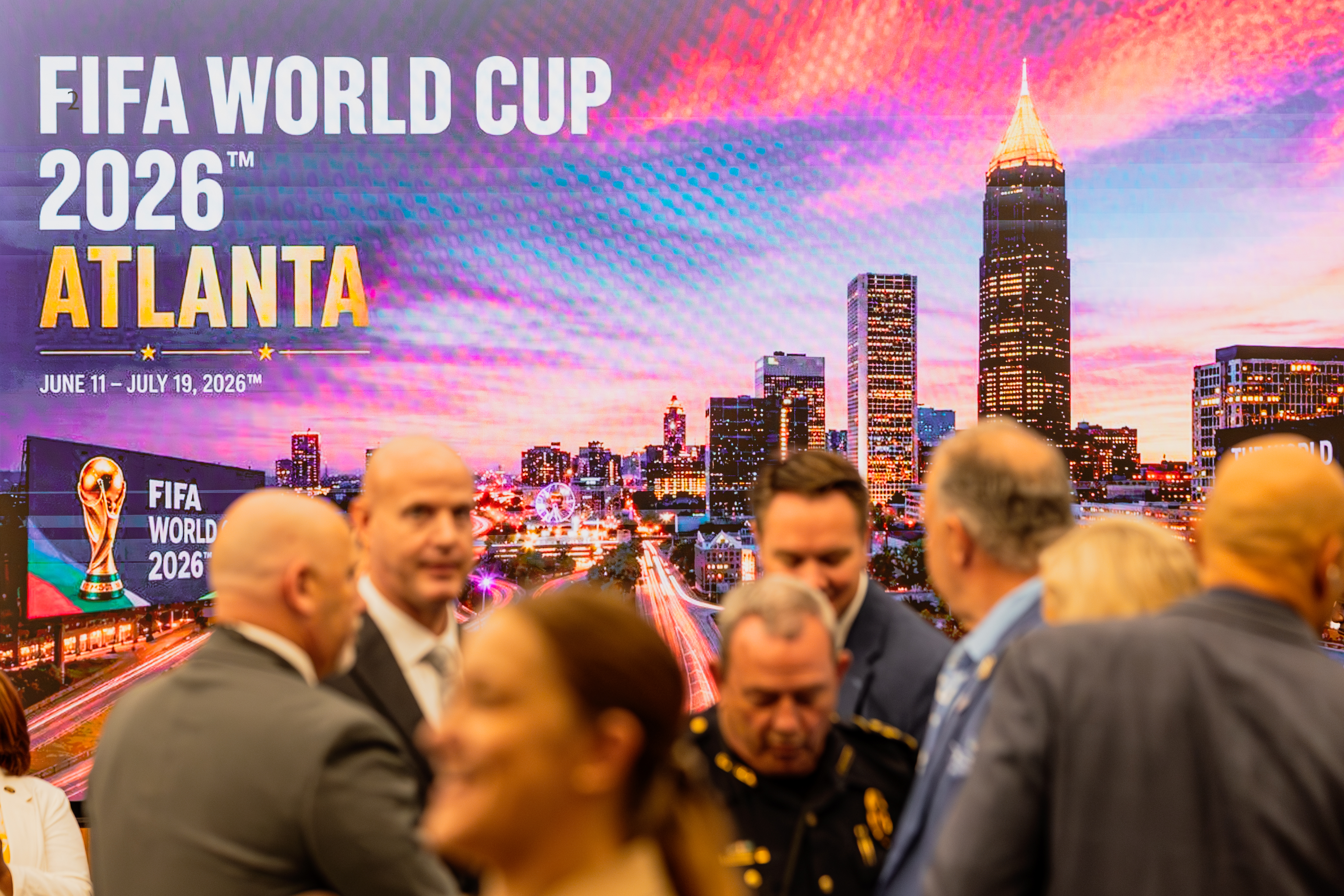
An event of this scale demands coordination beyond any one organization. Georgia Power worked closely with the City of Atlanta, the Georgia Emergency Management and Homeland Security Agency, the Federal Emergency Management Agency, the Cybersecurity and Infrastructure Security Agency, the Department of Homeland Security, local law enforcement, emergency management officials, and other stakeholders.
These partnerships helped create a common operating picture and supported readiness across the region. They also demonstrated the value of relationships built before they are tested. When organizations understand one another's responsibilities and communicate clearly, they are better positioned to act quickly and effectively.
The comparison to soccer is fitting. Success is rarely the result of one individual effort. It comes from people understanding their roles, trusting their teammates and executing a shared plan. That was true on the field, and it was equally true behind the scenes.
A Stronger Grid Supported a Seamless Experience
Careful planning, preparation, and execution helped the electric system perform effectively throughout the tournament, so that no major event venue experienced an outage during the monthlong event.
That performance was supported by long-term investments made for customers across Georgia. Over the last three years, Georgia Power has invested $1.3 billion in grid improvements approved by the Georgia Public Service Commission. The work included infrastructure upgrades like self-healing network technology, which detects outages, isolates damaged sections of the electric system and reroutes power when possible, reducing both the number and duration of outages. Other improvements include enhanced monitoring technology, vegetation management, and broader reliability-focused initiatives designed to improve system performance and reduce outage impacts.
These investments matter during major events, but their value extends well beyond them. Atlanta's summer soccer experience occurred during a season when high temperatures can drive greater energy demand and hurricanes can increase the potential for severe weather. These investments create a stronger, smarter grid that helps us serve customers through everyday needs and extraordinary moments alike.
Serving the City Meant More than Keeping the Lights On
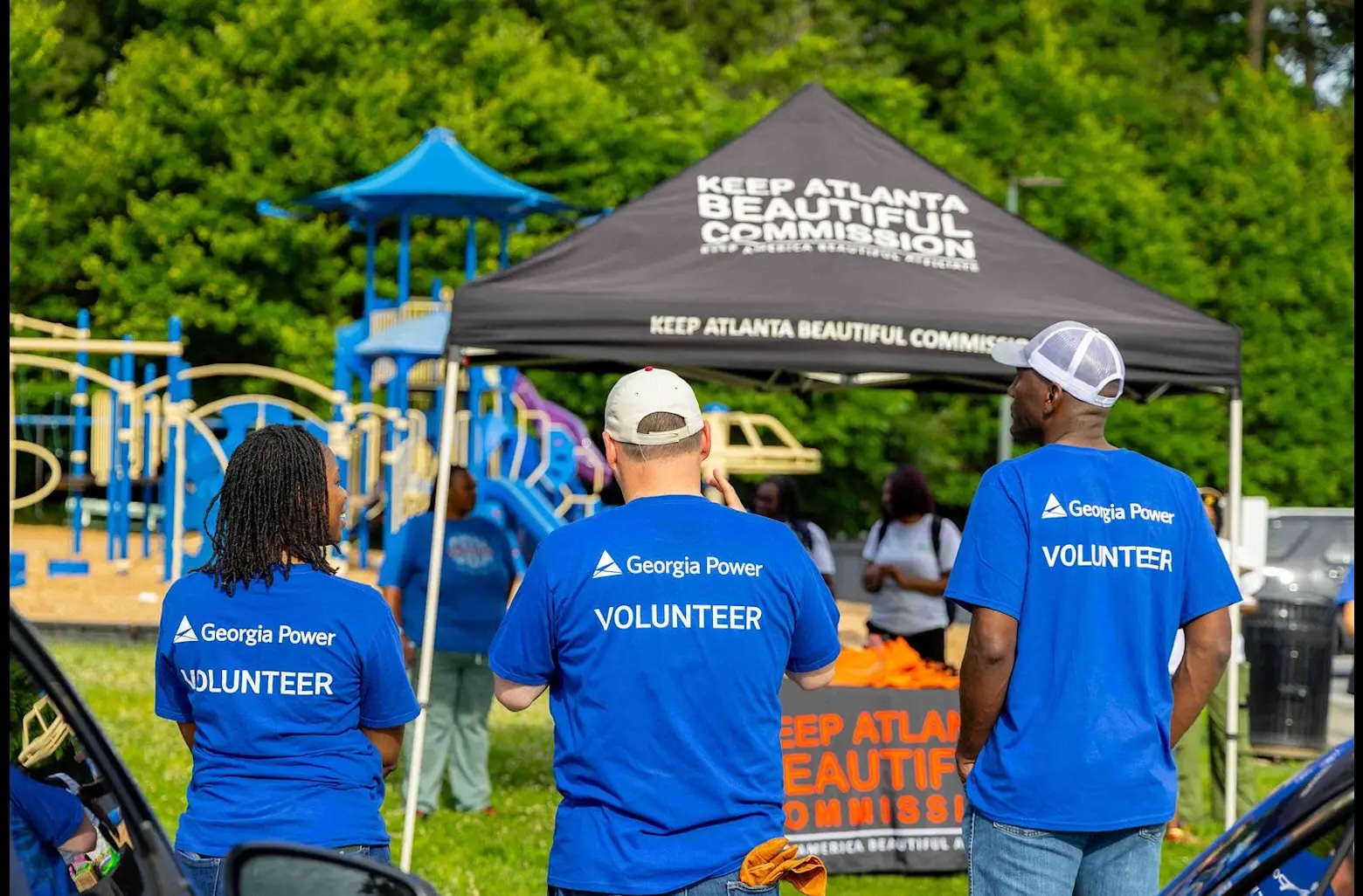
Georgia Power’s commitment to powering the World Cup extended far beyond the pitch. Our employees' commitment extended beyond grid operations. Across multiple days and locations, volunteers from throughout the company supported beautification and community projects in metro Atlanta. They planted trees and native vegetation along the Beltline, conducted cleanups, and improved parks, neighborhoods and downtown areas over the course of many weeks.
The goal was straightforward: Help create welcoming spaces for the people who call Atlanta home and the visitors experiencing everything our city has to offer. Those efforts strengthened green spaces, supported local ecosystems, and reflected the pride our employees have in the communities we serve.
Our lighting team also partnered with the City of Atlanta on energy-efficient upgrades designed to enhance safety and connectivity. Several installations incorporated smart technology capabilities that support public Wi-Fi access through Comcast's infrastructure. It was another example of employees bringing their expertise to the table and working with partners to create benefits that remain after the tournament.
The Lasting Lesson is about People
The 2026 World Cup matches have ended, but the preparations that supported Atlanta during this historic event remain active long after the final goal. Grid enhancements continue to serve customers. Partnerships with emergency management agencies are stronger. Community improvements and lighting infrastructure remain in place. Just as important, our employees carry forward the experience of working together toward a shared goal under a global spotlight.
For me, that is the central lesson from Atlanta's historic summer of soccer. The most visible moments often depend on work that happens out of view. They depend on lineworkers, engineers, system operators, technology specialists, support teams, volunteers, and partners who understand that excellence is built through preparation and service.
Hundreds of Georgia Power employees answered the call, and I’m proud of the way they showed up. They brought discipline to the planning, care to the community work and professionalism to every partnership. Their efforts helped fans enjoy a seamless experience and helped Atlanta shine on the global stage.
The world came to Atlanta to see great teams perform. Behind the scenes, I had the privilege of watching one of our own do the same.
As Georgia continues to grow and welcome future opportunities, we will carry these lessons forward. We will keep strengthening the grid, investing in technology, and building trusted partnerships. Most of all, we will continue developing and supporting the people who make reliable service possible.
That is how a utility helps a city prepare for the world, and how it delivers value long after the final whistle.
About the Author
About the Author: Josh Stallings serves as vice president of Strategy and Support.


