The Value of a Diverse Energy Mix
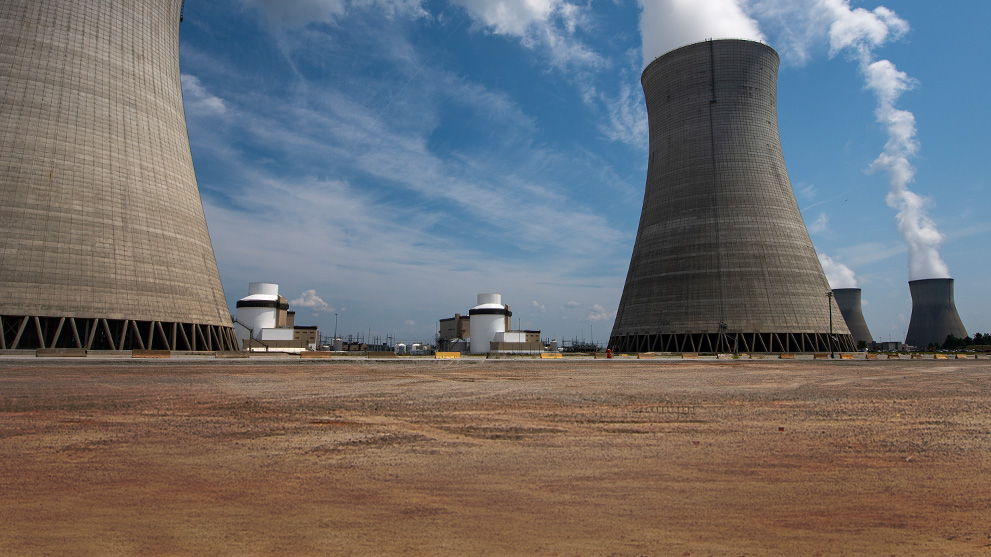
A balanced portfolio of nuclear, natural gas, coal, solar, and storage powers Georgia's reliable grid.
When we flip a light switch, cool off our homes, or plug in our devices, we count on energy to meet us there. It’s something every one of our 2.8 million residential customers expects every single day. Meeting the generation need for a state like Georgia, however, is no small task, especially in the midst of record growth.
But it's a task we’re prepared to take on. We’re built to handle it.
The reason Georgia Power has been able to keep the lights on for more than 140 years through increasing demand, extreme weather, and growing reliance on electricity is simple: we've never relied on a single energy source. Instead, we've spent decades building and diversifying our portfolio of generation resources that work together to consistently rank us among the most reliable energy providers in the industry.
The conversation around generating enough reliable energy during a period of rapid growth is a popular one—and not just in Georgia. Like many states nationally, Georgia is experiencing significant growth from large-energy users and residents moving to our state. But unlike other states, we've developed and maintained a diverse energy mix to make our grid resilient, primed for increasing demands without sacrificing service.
Whether it’s with nuclear or natural gas, coal or solar with Battery Energy Storage Systems (BESS), we utilize every resource we have, maintaining what has always worked, while also investing in new technologies that will improve reliability while keeping prices predictable for our customers.
A Portfolio Built for Cost Control
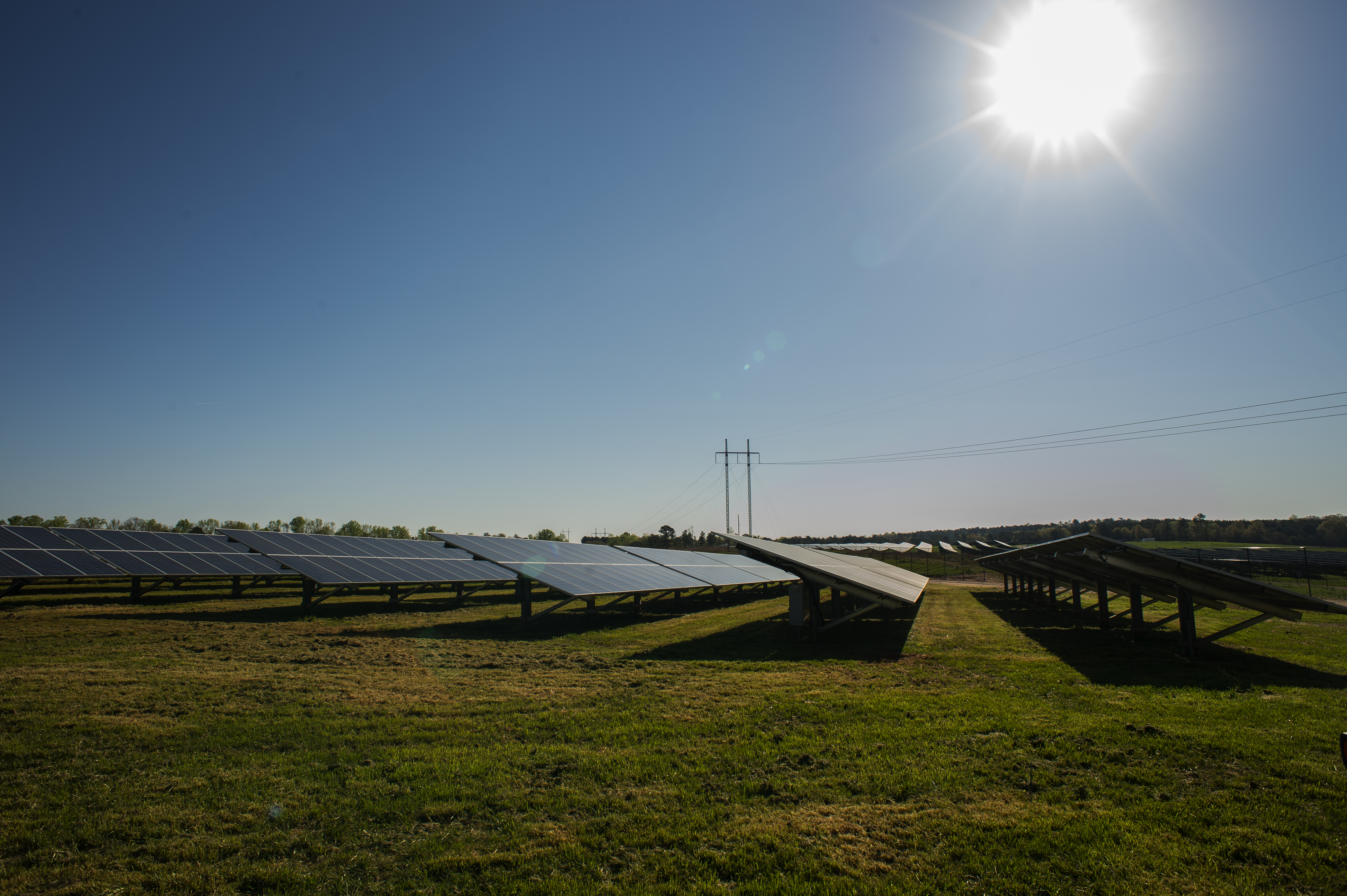
Currently, no one type of generation resource alone can both reliably and affordably support an electric grid.
The risk of depending on one generation source can be seen with solar energy. On average, Georgians use more electricity in the mid-afternoon into early evening, just as solar output begins to fade. On a clear morning, solar generation can climb from near zero to close to 80 percent of capacity in about three hours, but that same variability means output can fall just as quickly when clouds roll through or the forecast calls for a stretch of rainy days. While technology is improving, most notably, BESS, which helps store extra solar energy for later use, it’s not enough for a major power grid to be reliably sustained on solar alone. The same can be true for wind generation or hydropower, when wind and water levels are lower and cannot generate enough to meet customer demand in peak conditions. An energy grid still needs resources that can absorb sudden disruptions and hold steady when conditions for these intermittent generation sources inevitably shift.
With a diverse energy mix, however, renewable sources like solar and wind are leveraged alongside more traditional sources like nuclear, natural gas, and coal that are there when renewable sources alone can’t meet demand. This resource balance not only limits disruptions and grid overload, but also leads to another benefit: cost control.
Fuel prices often fluctuate sharply and without warning, as seen when oil and natural gas prices spiked following historic damage from Hurricane Helene in 2024, and most recently, natural gas climbed again during Winter Storm Fern in January 2026. In both circumstances, Georgia Power was able to continue meeting the energy demand while limiting the burden of rising costs on customers by using alternate resources more to avoid the cost of price spikes being transferred to our customers.
The ability to dispatch resources based on whichever fuel costs less, everyday as well as during events like market volatility and natural disasters, is something a single-fuel system simply can't do. That’s why a diverse mix tends to cost less overall than narrowing a generation portfolio to one or two sources.
Why Supply Chain Flexibility Is So Important
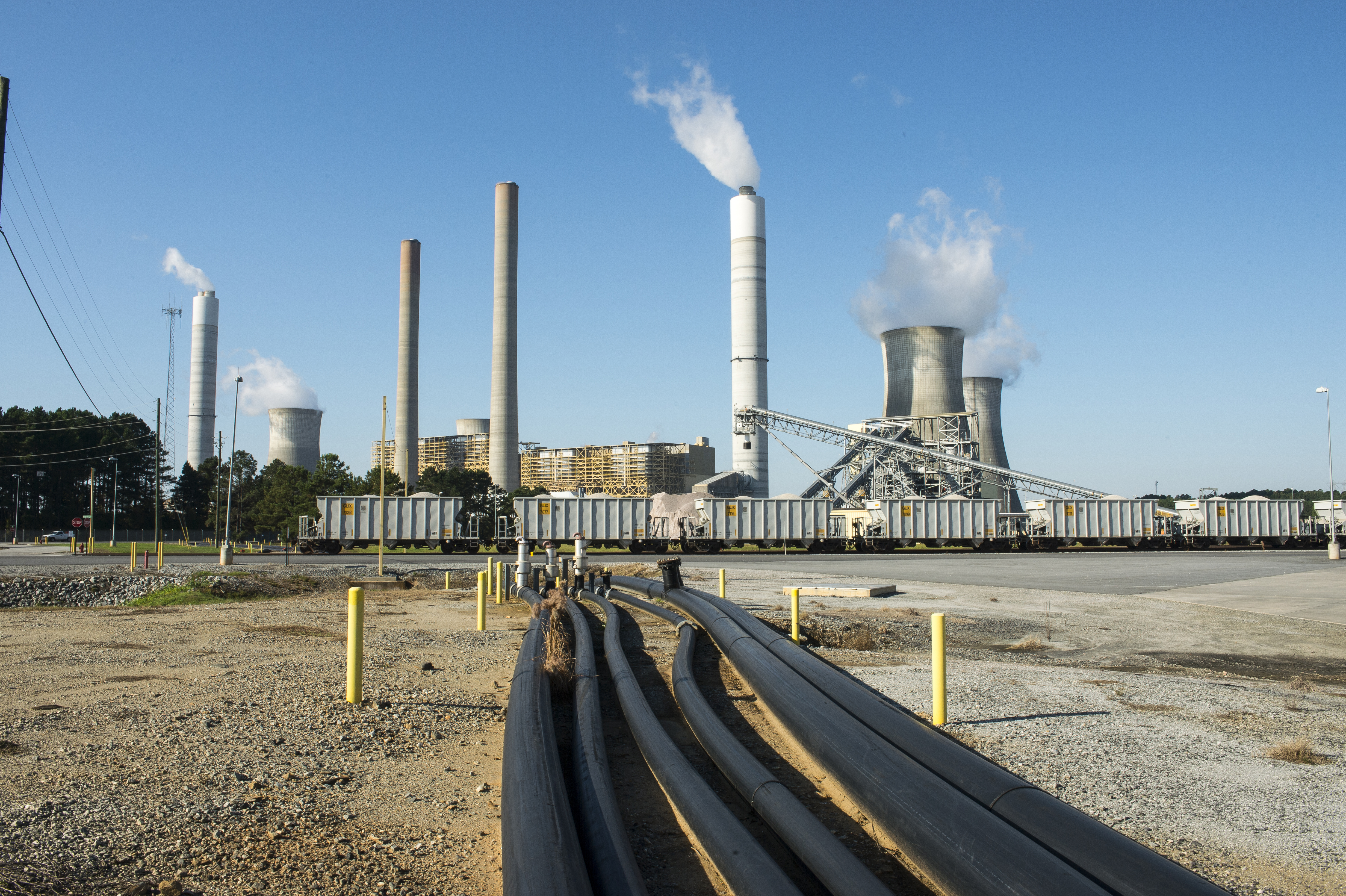
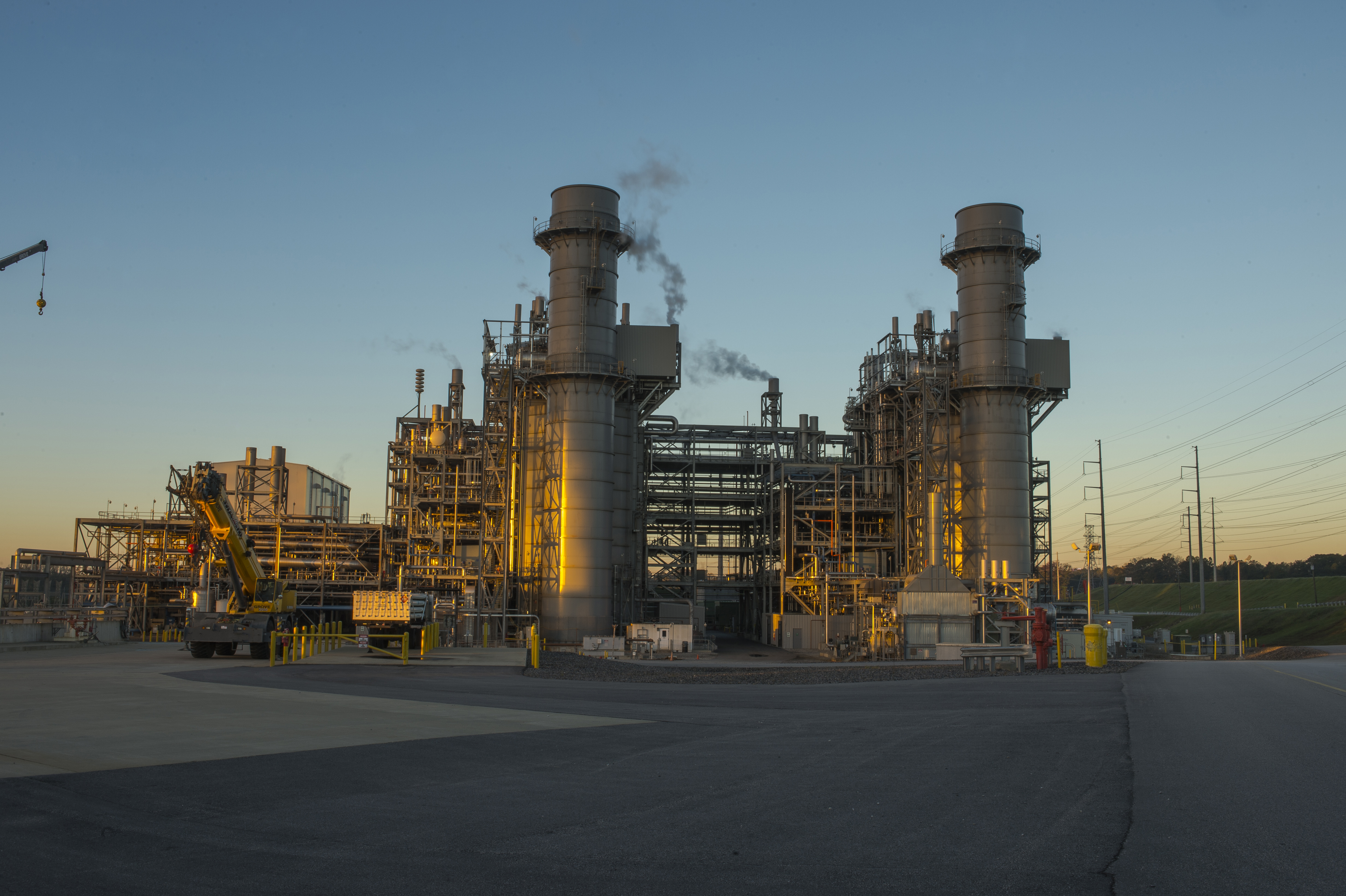
But that flexibility isn't just about which fuels we use. It's also about where those fuels come from and how they reach our plants. Plant Bowen near Euharlee, Georgia, for example, burns Illinois Basin coal, while Plant Scherer outside of Macon burns Powder River Basin coal—two different types of coal from two different regions, arriving on different rail lines. The same concept is true for our natural gas plants. Some, like Plant Yates in Newnan, run off the Transco pipeline, while others, like Plant McDonough-Atkinson in Metro-Atlanta and Plant McIntosh, run off the Southern Natural Gas pipeline. Sourcing fuel from different regions and routes allows us to strategically evaluate fuel sources and reduce the risk that a disruption affects the entire system or reliability of power for our customers.
Reducing fuel risk also keeps costs low for customers who depend on cost predictability the most: residential and small business customers. If there's a disruption in supply, a natural disaster, or exponential spike in demand, a diverse fuel mix helps protect customers from those unexpected changes.
Cost control is only part of the picture. Resilience is the other. Not every electric utility is vertically integrated, or controlling the generation, transmission, and distribution of electricity. The ownership and operation of all three steps in power generation and delivery gives us flexibility in how and when different resources are generated, how they’re dispatched, and when we use certain sources and when we shut others off. Some resources are built for steady output like coal, nuclear, and natural gas units, running continuously to supply a constant backbone of power. Others are built for rapid response, as with combustion turbines, ramping up quickly during peak demand, then stepping back down.
That range matters most when a natural gas pipeline is unavailable due to necessary maintenance or severe weather causes a disruption in service. If our electric grid depended entirely on one pipeline or sourcing route, service would be disrupted until supply could continue again.
But Georgia Power doesn't have that problem, because even if a pipeline is unavailable or one of the units at Plant Vogtle in Waynesboro needed to be taken offline, additional fleet sources can be called upon to support the system while the issue is resolved. Our ability to alternate among available generation sources keeps customers’ experience seamless, allowing devices to continue charging and air conditioners running, all while keeping bills stable.
What Comes Next as Georgia Grows
It’s no secret Georgia is growing. Our state has been named the No. 1 state to do business for 12 consecutive years by Area Development magazine and nearly 570,000 people chose to relocate to Georgia since 2020, seeing the opportunity Georgia offers for their families and businesses.
Most customers won’t ever consider what source generated their electricity when the air conditioner cools their kitchen on a steamy August afternoon or the porch lights light up the driveway when they come home.
And our job at Georgia Power is making sure they don't have to.
Amid this growth, we’re more dependent than ever on reliable generation that meets our needs for daily life, while also planning responsibly for the future. Every three years, we file a 20-year Integrated Resource Plan (IRP) with the Georgia Public Service Commission, laying out how we intend to keep the lights on affordably and reliably for decades to come. The principle behind that plan is the same one that has guided us for more than a century: determine what our customers need, evaluate our current system, keep what’s working, and determine whether new technologies can better deliver real benefits to Georgia Power’s customers.
To meet rising demand across the state during this period of rapid expansion, we are dedicated to maintaining and improving what's already working, but also, plan responsibly to handle whatever Georgia requires to strengthen our future. Today, tomorrow, and for decades to come.


